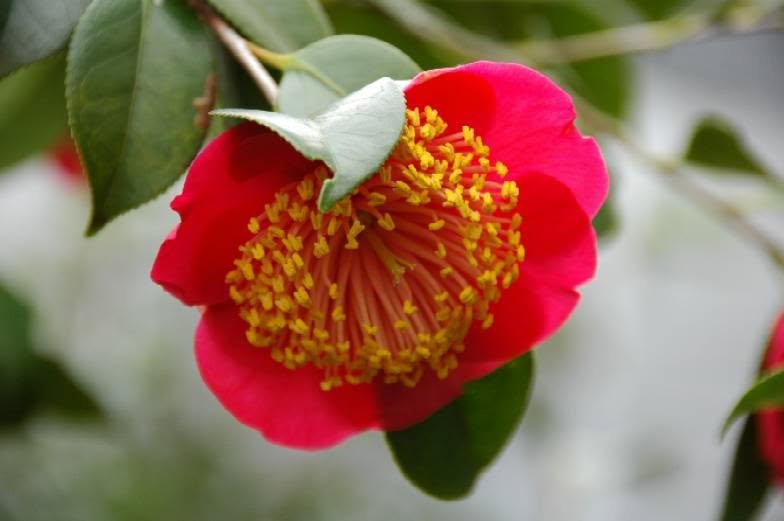
A note from the Kumamoto International Zoological and Botanical Desk (merged due to budget cuts): Camellias (tsubaki, つばき、椿), native to eastern and southern Asia, are in full bloom now. Over millennia, they have been cultivated and eventually resulted in both ornamental varieties and - get this - the tea plant! This explains their Chinese name, cháhuā (茶花), or "tea flower."
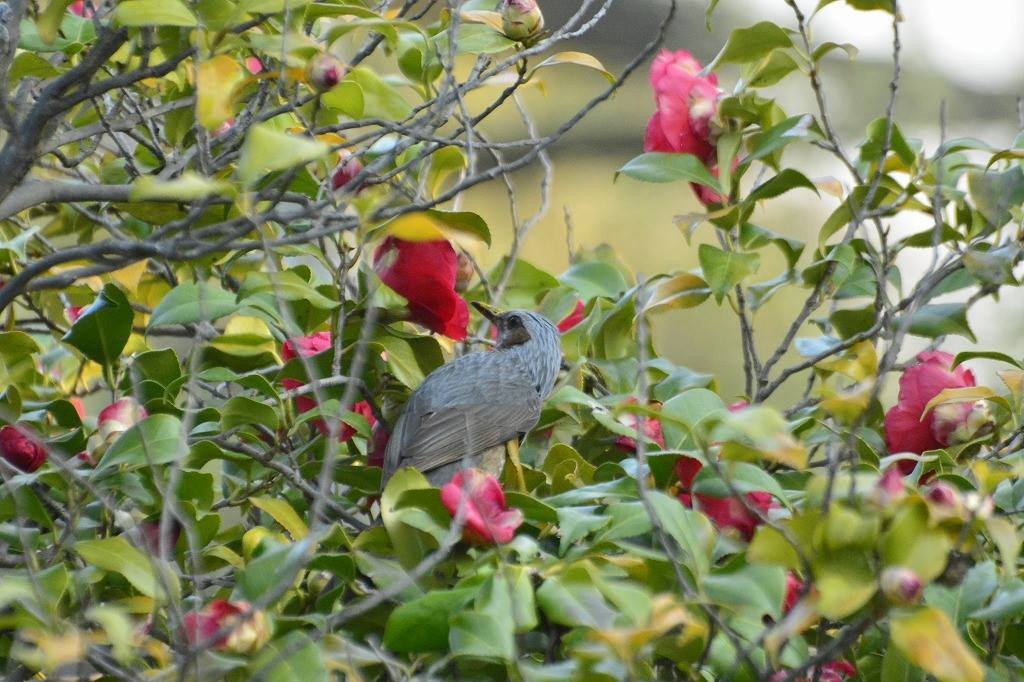
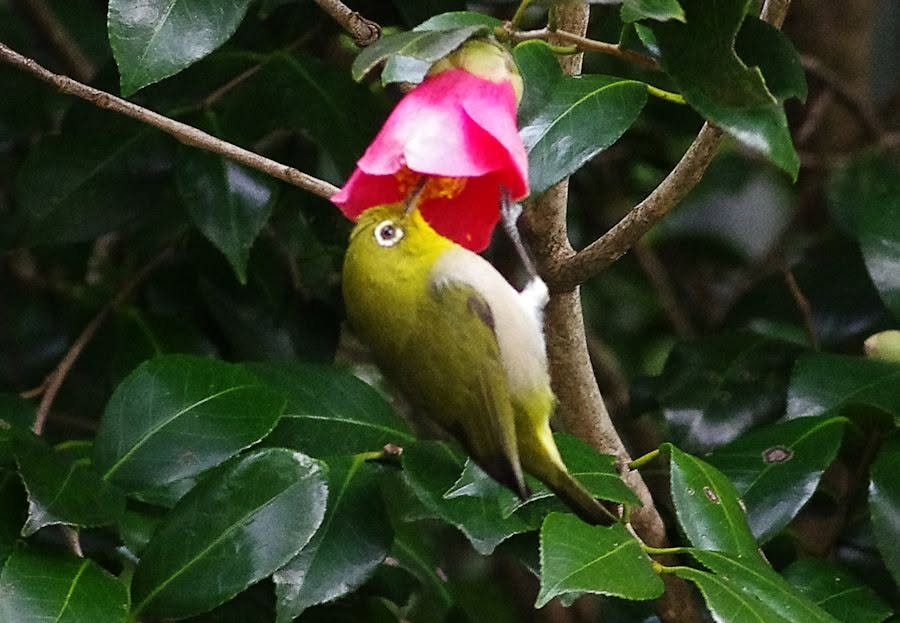
I'd wondered why they blossom in mid-winter, when pollinating insects are scarce; turns out they're pollinated by birds, particularly the bulbul (Hiyodori, ヒヨドリ) - a large and annoyingly noisy bird - and the white-eye (Mejiro, メジロ) - a small, quiet bird that returns from the mountains to spend its winters in lower areas. They feed on the nectar, which explains the flowers' wide shape and prodigious nectar production. Click on the photos and note the pollen-covered beaks.
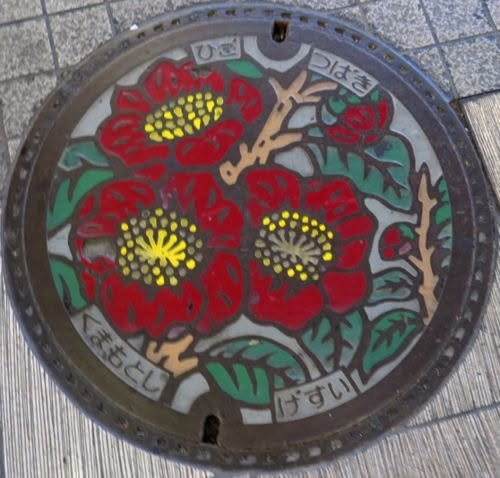
Kumamoto has six symbolic flowers, the most important of which is the Higo tsubaki. Manhole covers in Kumamoto City are often imprinted with images of these flowers.
Below are Wikipedia links to more info and a few photos. - William
Six flowers of Kumamoto (Higo Rokka, 肥後六花): https://ja.wikipedia.org/wiki/%E8%82%A5%E5%BE%8C%E5%85%AD%E8%8A%B1
Bulbul (Hiyodori, ヒヨドリ): https://ja.wikipedia.org/wiki/%E3%83%92%E3%83%A8%E3%83%89%E3%83%AA
White-eye (Mejiro, メジロ): https://ja.wikipedia.org/wiki/%E3%83%A1%E3%82%B8%E3%83%AD
Camellia: https://en.wikipedia.org/wiki/Camellia