William Between 1932 and 1968, Chisso Corporation produced acetaldehyde, a precursor to polyvinyl acetate, which is used to make glue - such a basic thing! - in Minamata. The company dumped its waste, which included mercury sulfate, used as a catalyst, into Minamata Bay. This mercury was rapidly absorbed by fish and shellfish, which went up the food chain to humans, resulting in what is known as "Minamata disease," or mercury poisoning.
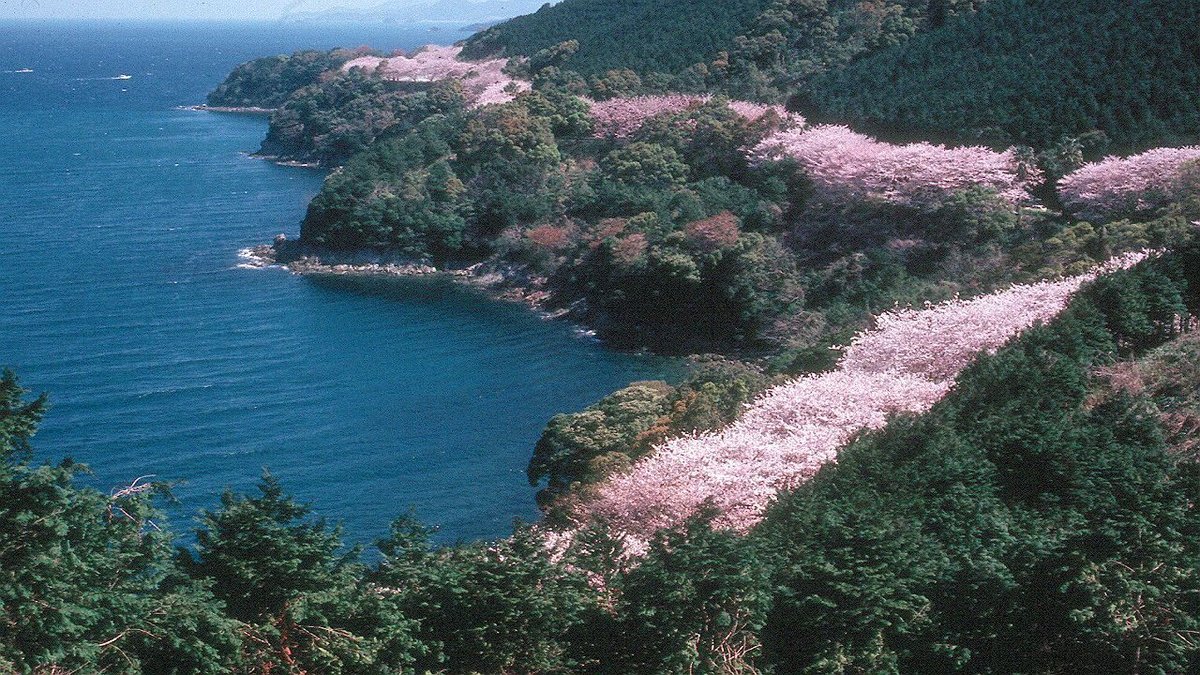
That is well-known. What is less well-known is how well Minamata has recovered since then. My wife and I gleefully eat oysters from the rocks with no worries. The government has poured in money as a sort of apology, making the small town a delightful place to visit. Of particular interest at this time of year is their cherry blossoms. Going by car is best, but JR also has a delightful line with wonderful walks from the station. https://www.rome2rio.com/map/Kumamoto/Minamata#r/Train The locals must still make a living, and they will welcome your visit.