William Cemeteries (墓地, bochi) lie in a delicate state: the soon-to-be deceased lay out their will and their survivors follow out of love, respect, and/or in the wish that their progeny will do likewise. Kumamoto is awash with cemeteries, some pocket-sized, some immense, and the fact that 99.8% of Japanese are cremated mean that each tomb is a condominium of family dead. "Where be your gibes now? Your gambols? Your songs? Your flashes of merriment that were wont to set the table on a roar?"
I passed a pocket-sized graveyard today surrounded by mansions, each mansion bearing the same family name: the mulberry plots of their ancestors turned to rentier gold. When passing a graveyard, pause to read their stones. They were set up for us to see, to read (inscription, hibun, 碑文), to learn - who, when, what great-grandchild of a matriarch has also found home this plot.
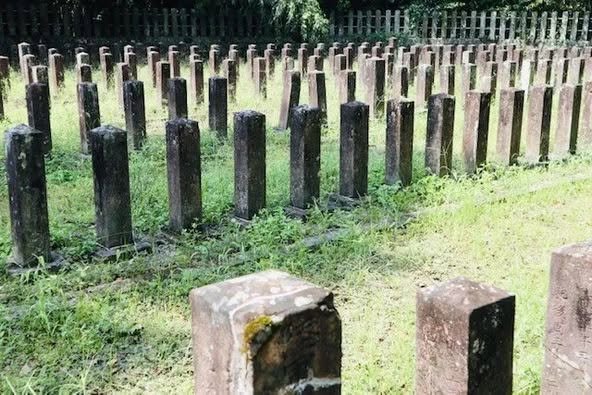
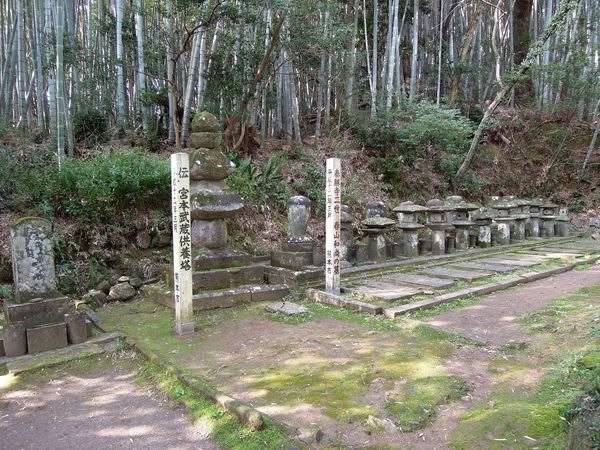
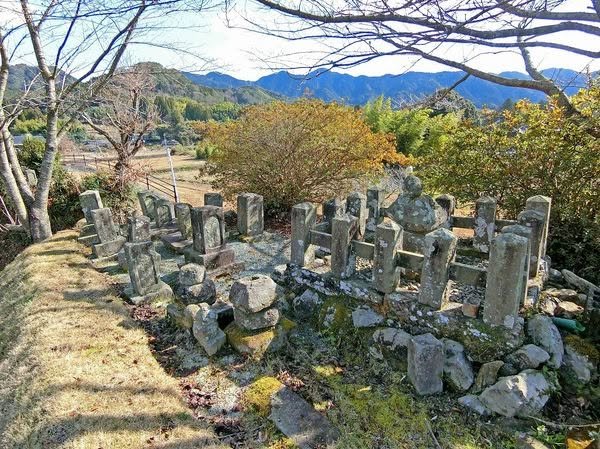
Indispensable starts for Higophilic thanatologiphiles: Hanaokayama, amongst whose dead lie soldiers, both Higo and Satsuma, killed in the Seinan War; and Tatsudayama Shizen Koen (Tatsuda Natural Park), where those of Hosokawa lineage lay; and the tiny plots you might find along a walk.
Below: Seinan War cemetery, Hanaokayama: Hosokawa family cemetery, Tatsudayama; lil' pocket cemetery up in the hills.