William with the long read:
Japan has a long history of emigration, with peaks during the Great Depression and the post-war period. Due to America's Chinese Exclusion Act (a sad period of xenophobia enacted in 1882, abolished in steps between 1943-1965 https://tinyurl.com/28szuk29), immigration from China fell to virtually zero. At the time, however, Japanese were considered "honorary whites https://tinyurl.com/yeyatz88," and many, particularly Higokko, emigrated to Hawaii and California.
At a time when even travel within Japan was unusual, people from all over the country intermixed in California; this article states how the Nisei regarded each other: "Hiroshima people were said to be industrious and tight-fisted; Wakayama people aggressive and hot-tempered; Tokyoites generous; Okayama shrewd and clever; the northern provinces patient as a result of their long cold winters; people from Kumamoto stubborn.” (https://tinyurl.com/jvwwpd9t) Heh. Ask my wife.
Kumamoto (and other Kyushu prefectures) have thus had an oversized influence on Japanese-American culture, particularly cuisine. One example is the satsuma (an Edo-era term for Kagoshima), which in English refers to a variety of tangerine. Another fun-fact is that most all restaurants in California serve tonkotsu (pork broth) ramen, native to Fukuoka and Kumamoto (Tokyoites eat shoyu ramen https://tinyurl.com/2rh7j2e) - ask an Angeleno what ramen is and that is what they will imagine.
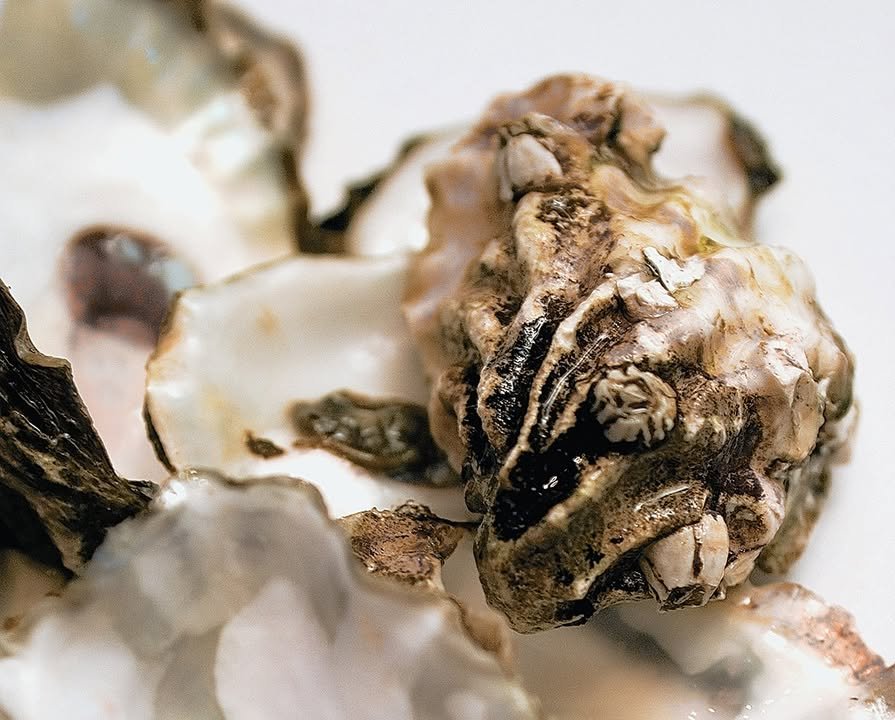
Tangentially related is the Kumamoto oyster, native to Yatsushiro Sea, which has an interesting history: "In October 1945, two months after the bombing of Hiroshima and Nagasaki, General Douglas MacArthur asked the Japanese government to export 80,000 boxes of oyster seeds to the United States. This marked the end of the wartime embargo on Japanese goods. Unfortunately, lack of manpower and low oyster stocks threatened Japan’s ability to fill the order. Seeds from the little-known Kumamoto oyster were used to help fill the shipments." (Interesting read: https://tinyurl.com/4b2vhnet .)
The article mentions that the variety has been extirpated from the Shiranui Sea due to pollution; however, I have read about attemps to reintroduce the variety from healthy stocks in America's Pacific Northwest. What goes around, comes around. Photo: Kumamoto oyster