Kirk here with some thoughts and questions about language. The topic is not specific to Kumamoto but, on the other hand, sharing information about Kumamoto usually involves going between Japanese and English and what I'd like to write about in this post certainly has to do with that general issue.
Observation 1: The Japanese term 湿布 (shippu) is so common that I suspect most of you who have been in Japan several years or more are familiar with it. The characters mean "wet cloth" but "medicated wet cloth" would be more accurate. You can find lots of shippu in drug stores and they may be prescribed to you.
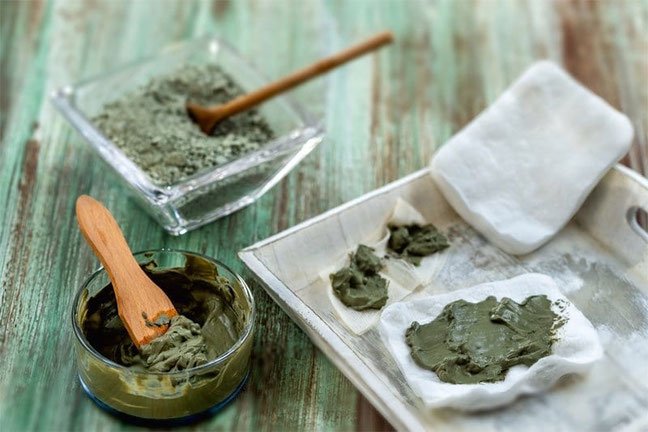
Observation 2: There is a term in English that is more-or-less equivalent in meaning: poultice (the attached image came up in a search for "poultice"). But, even though English is my native language, I don't believe I had ever encountered the word before being asked "How to you say 'shippu' in English?"
Observation 3: Google image search can be rather informative. If you search for "湿布" you'll find images of pre-packaged things to stick on your skin. If, however, you search for "poultice" you get a lot of home remedy images (like the one I've appended) or images of people receiving treatments. So, it does seem to be the case that, unlike "湿布," "poultice" is not a typical item in drug stores in the English-speaking world.
Questions: Am I just ignorant because I didn't know the word "poultice" or do others of you also think that "poultice" is rarely used in English? Is there a better, more common translation for "湿布"?
Final observation: I'm interested in how words that are commonly used in one language often have equivalents in another language that are rarely used or seem quite difficult. I think this is one such example but that there are many more.