NOTE It has been pointed out that the "Mifune" the onsen ad refers to is a "Mifune" in Saga, not the Mifune in Kumamoto. However, the remaining info is accurate, and the town does deserve a visit. Apologies for the mistake and thanks for the correction.
William Japanese place names tend to be based on physical attributes or economic purpose. Sometimes, though, you'll note a 御 (a general honorific with multiple pronunciations and meanings: https://kotobank.jp/word/%E5%BE%A1-448357 ) or 御幸 (miyuki, a sure sign that one emperor or another has visited the location https://ja.wikipedia.org/wiki/%E5%BE%A1%E5%B9%B8 ). One example is the main road up to the castle, 御幸坂 (Miyukizaka - good read here https://tinyurl.com/4fb9zauw ), which was carved out of the castle to facilitate the visit of the Meiji Emperor in 1902 to relieve him of the embarrassment of having to pass through the then-extant multiple, twisting gates designedhttps://tinyurl.com/4fb9zauw
The town of Mifune (御船) has more ancient lineage. Apparently, when the Emperor Keiko (https://tinyurl.com/kdwj6de2) visited around the year 170 (obviously, time mileage may vary) during his campaign to incorporate Kyushu into the fledging Yamato state, which later became Japan, he traveled by boat. Hence, the name 御船.
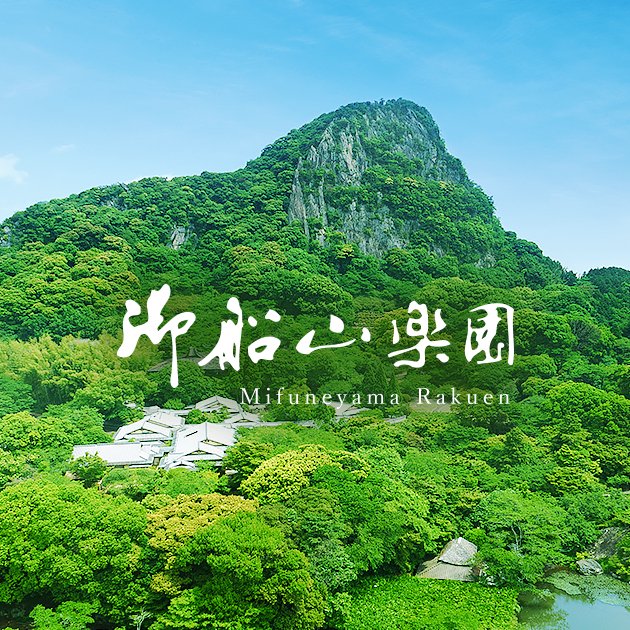
Mifune is eponymous with the Mifune River, long used to raft goods from Kyushu's interior. It remains a center of lumber processing. It is a small, picturesque town and will celebrate the autumn leaves with a month-long event through December 3. This is a wonderful chance to discover the historical roots of Kumamoto.
Much information at the link: https://www.mifuneyamarakuen.jp/autumn/?fbclid=IwAR2MhVMVEeDJ17j2k91VFaf5HiWS2LxneLiDm5uVmSRvgzdGW93w1uxS8yI