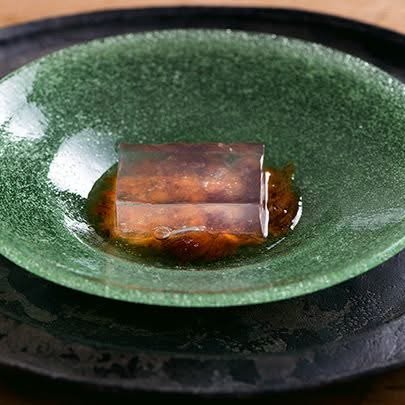
Kirk here with something about what is called "kanten" in Japanese (寒天) and "agar" in English. Here's a quote from the article, which explains why it came up in a Google alert about new articles about "Kumamoto":
"Ai Hosokawa, who grew up in Tokyo, has lived in Kumamoto for 14 years and is fascinated by its rich natural environment and clear water. Her house and atelier stand in the historical remains of Taishoji temple that used to be the family temple of the Hosokawa Clan, which once ruled the Kumamoto Domain."
The article is interesting but it's a good example of a pitfall in translation: using an English word that many native speakers are not likely to know: agar. Of course, it's a perfectly good word. I found lots of information about in on the web. But there are two problems as a see it:
1. English-language speakers who live in Japanese may be even more likely to recognize the word "kanten" than "agar" -- even though "agar" is an English word. That was this case with me. So, I would have like them to identify "agar" as what is called "kanten" in Japanese at the top of the article.
2. "Agar" is very similar to "kanten" but, according to information I found on the internet, they are made from different kinds of seaweed. So, "Japanese agar" is probably more accurate.
Fun fact from the Wikipedia page on agar: "Once ingested, kanten triples in size and absorbs water. This results in the consumers feeling fuller."