Posts
Kirk here with a share from Kuma Visit. Just two more nights (after tonight) to see it with your own eyes! :)
https://www.facebook.com/kumavisit/posts/3126558600929098
P.S. Atsuko has already share some great pictures of this event here:
https://www.facebook.com/Kumamotoi/posts/7253996938007009
Kirk here with what I hope will be the last post in my series about what has happened at Syugakkan.
New facts:
・The coach in his 30s (the one who was filmed being violent) has been fired. I think he is also under investigation by the police but I'm not sure what the status of that is yet.
・Headcoach Danbara has resigned without a follow-up explanation and/or apology -- the lack of which has angered graduates who claim to be victims of his violence.
In addition, the Bunshun article I'm linking to says that it has interviewed a woman (age not specified in article) who claims to have been paid for sex (10,000 or 20,000 yen) on several occasions until she cut the relationship off. The free article is a sort of "teaser" that says "if you want to know more, buy the magazine that goes on sale on the 19th." No thanks. I think I know all I need to know about Mr. Danbara now.
「毎回1万~2万円で……」暴行動画 秀岳館サッカー部・段原一詞前監督に“出会い系買春証言” | 文春オンライン
私立秀岳館高校(熊本県八代市)サッカー部で、30代コーチによる部員への暴行が発覚してから約1カ月。監督として同部を率いていた段原一詞氏(49)に、20代女性(当時)に対する買春疑惑があることがわかった…
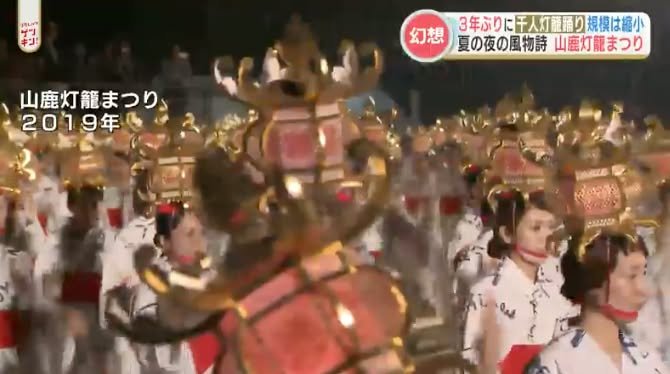
Kirk reporting that a commitee has decided to hold a somewhat scaled back version of the Yamaga Toro Matsuri. This will be the first time the event has been held since 2019. Instead of having 1000 dancers, the number will be reduced to 400.
https://newsdig.tbs.co.jp/articles/rkk/48600?display=1
Kirk here with news that researchers at Kumamoto University are doing important, cutting-edge work in the field of genome editing:
Novel supramolecular CRISPR-Cas9 carrier enables more efficient genome editing
CRISPR-Cas9 is considered a revolutionary gene editing tool, but its applications are limited by a lack of methods by which it can be safely and efficiently delivered into cells. Recently, a research team has constructed a highly flexible CRISPR-Cas9 carrier using aminated polyrotaxane (PRX) that ca...

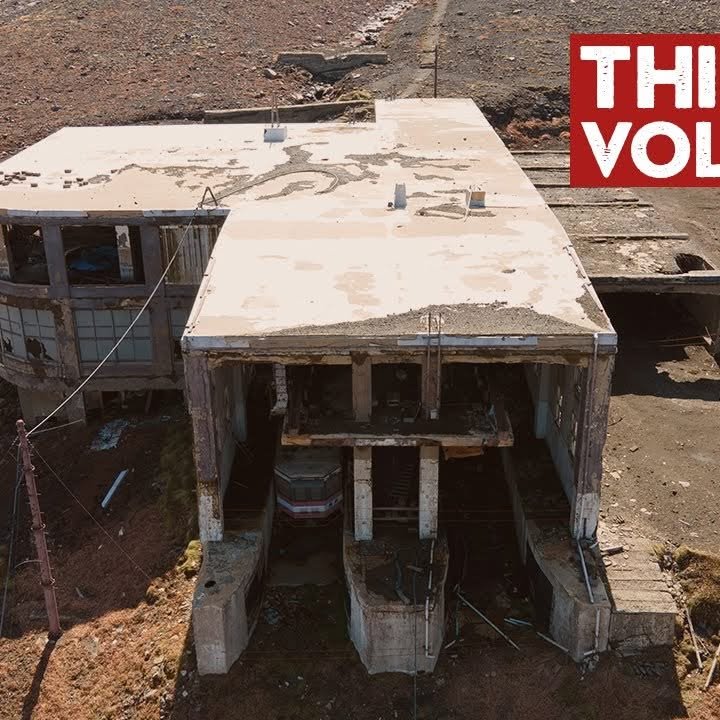
Fiona here with a YouTube channel recommendation. Flipside Japan explores abandoned theme parks, factories, bath houses and other unusual and rarely visited places. The video linked below was filmed in Aso.
Exploring the Earthquake Ruins of Japan
In this video, we are exploring the earthquake ruins of Japan. It's safe to say that 2016 was a traumatic year for the prefecture of Kumamoto. Within the spa...
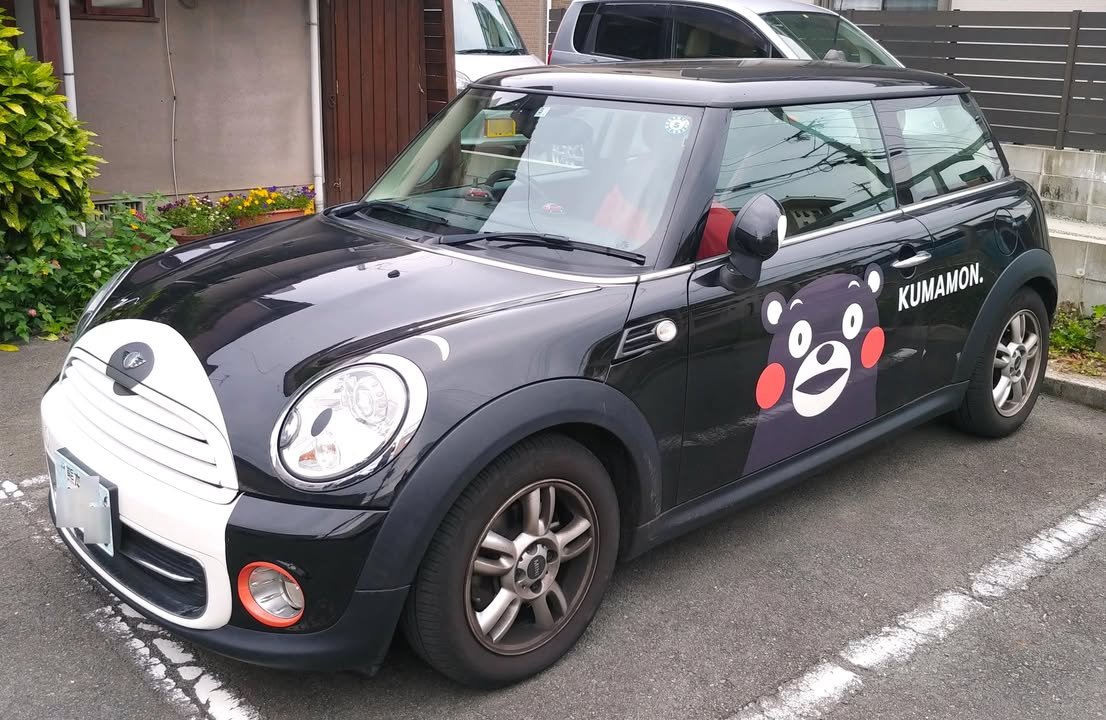
Kirk here with a note about a neighbor who loves Kumamon. My wife and I happened to walk by the home of someone we have known for many years and this car was parked in front. It belongs to our friend's daughter who is a big Kumamon fan -- she was wearing Kumamon shoes and one or two other Kumamon items when we happened to me that day. I have no idea how to get a car like this but the owner said it was a special order.
(Pictures shared with permission of the owner. Sorry for the poor quality -- a second-rate phone on a cloudy day.)
This year, Megumi and I hope to get a lot more footage of the mudskippers (Mutsugoro) here in Kumamoto, Japan. As summer approaches and the coastal mudflats warm up - the mudskippers begin to appear.
Sumiyoshi Harbour and the Mutsugoro (Mudskippers)
In 2018, Megumi and I revisited one of our favourite spots in the Kumamoto area - Sumiyoshi Harbour and its mutsugoro (mudskippers) "colony". At that time we...

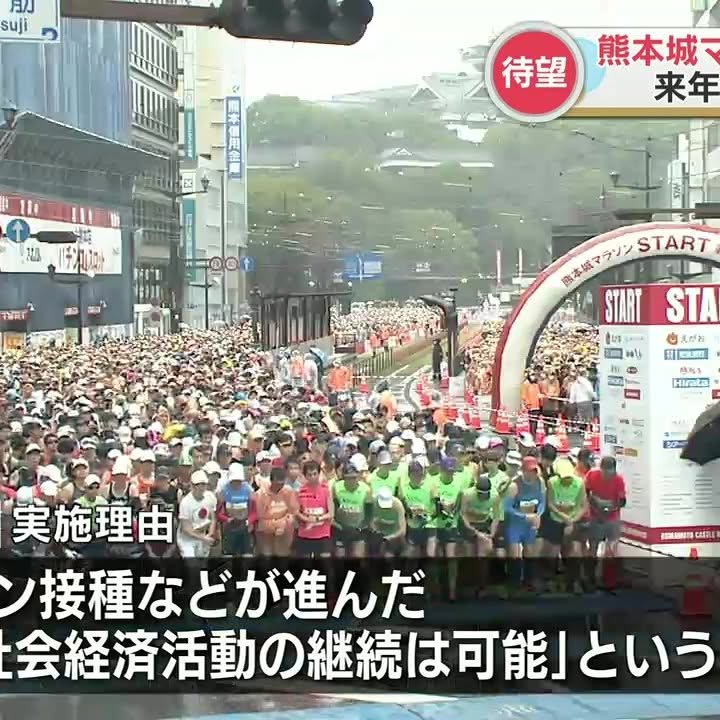
Kirk with news for runners: Kumamoto City has decided to hold the Kumamoto Marathon on 19 February, 2023. The last marathon was held in 2020; the event was not held in 2021 and 2022 due to concerns about COVID-19. I have no information at this point about when runners will be able to apply to participate. If I get such information I hope to be able to post it on this page in a timely manner but I can't make any promises in that regard.
熊本城マラソン 来年2月19日に開催へ | 熊本のニュース|RKK熊本放送
新型コロナウイルスの感染拡大の影響で、2年連続で中止となった熊本城マラソンが、来年2月19日に開催されることになりました。実行委員会が決めた3年ぶりとなる熊本城マラソンの開催。コロナ禍で実施する理由を、…
Kirk here with more about the Syugakukan violence scandal. It started with a coach who was working under head coach DANBARA Kazushi (段原一詞), but recently it seems that the attention of the media has shifted primarily to Danbara himself. In the first article I'm linking to here he says that he knew nothing of his assistant coach's violence and then, when asked if he in his 20 years of teaching and coaching has ever been violent with his students he says "never." To that, graduates are saying he's lying.
https://news.yahoo.co.jp/pickup/6426344
The second article is about him threatening to sue the school if he is fired:
https://news.yahoo.co.jp/articles/9b5513dc72c865a722e9adcc7974b7d074a4a5fc
I don't want to dwell on negative stories like this but this particular issue has gone way beyond being a local story and is continuing to get press. A daytime TV show called "スッキリ" seems to be devoting time to it, though I haven't seen any of the actual coverage. So, I thought I'd let you know that new revelations in the Syugakkan scandal are continuing to provide fodder for daytime TV and social media.
秀岳館OBが新証言 監督も暴行か - Yahoo!ニュース
サッカー部のコーチによる「暴行問題」が浮上していた熊本県の秀岳館高校。今月上旬の謝罪会見で自らは「暴力行為をしたことがない」と発言していた監督について、卒業生のOBらが「何人も監督に暴行を受けていた」と....

Happy Friday the 13th everyone.
Carlton here and since I was born on the 13th I tend not to fear or worry about an increased incidence of bad luck befalling me during this 24 hour period.
But for those with problems, here is a way to ward off the evil you think might be associated with this day/date:
<https://www.npr.org/sections/thetwo-way/2013/12/13/250699441/for-friday-the-13th-say-it-with-us-paraskevidekatriaphobia>
For Friday The 13th, Say It With Us: Paraskevidekatriaphobia
If you can pronounce that long word, you'll be cured of any Friday the 13th fears, according to some. NPR's Korva Coleman offers an audio pronunciation guide.

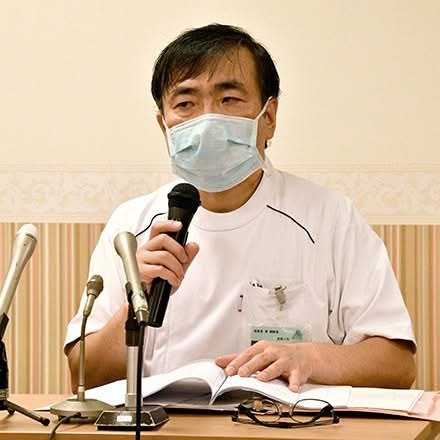
Kirk here with another article on the same press conference held by Dr. Hasuda of Jikei Hospital in Kumamoto. The quality of the English in this article is quite good and it is a longer and more detailed.
The article says that the mother "left a comment to be read at the news conference stating, 'If it were not for Jikei Hospital, I would have died together with the baby before giving birth.'" As saving lives has always been the raison d'être of the "baby hatch," I think this statement is particularly important.
Hospital in Kumamoto confirms its 2nd confidential birth | The Asahi Shimbun: Breaking News, Japan News and Analysis
KUMAMOTO--Jikei Hospital here announced on May 11 that it had overseen Japan’s second confidential birth, which allows a baby to be registered without disclosing the mother's name.
Kirk here with more news about Jikei Hospital and an observation about how English can be a rather difficult language.
As many of you know, Jikei Hospital has a long history of going out of its way to try to improve the chances that babies will be properly cared for, even when their mothers don't feel they can take on the responsibility themselves. This article is the latest chapter in that story.
Now, for a linguistic observation:
One thing I like about the article is that it links to the original Japanese. As a student of the Japanese language, I often find myself agreeing when Japanese people say that "Japanese is difficult." But, English can be pretty difficult too. For example, English has "will" and the subjunctive "would," a distinction that the Japanese language doesn't have a direct equivalent for, at least at the vocabulary level. This seems to be difficult for Japanese people, even those with otherwise outstanding skills. The following sentence is a case in point:
"'It might be a harsh thing to say, but she will unlikely be able to raise the baby by herself,' hospital chief Takeshi Hasuda told a press conference."
I think it woud be better to say something like "she would not be able to" (not "will") because it's not yet clear what the mother will decide. Here's the original Japanese:
「厳しいようだがご自身では育てられないと思う」
Or, perhaps "she is unlikely to be able to . . ." would be OK but the "she will unlikely be able to . . ." construction seems odd to me.
Conclusion: "英語は難しい!" (English is hard!)
Hospital Reveals 2nd Confidential Birth in Japan
Kumamoto, May 11 (Jiji Press)--A woman has given birth to a baby anonymously in the second case of so-called c…

Kirk here with more about names for Kumamoto. This time I'd like to write a little about the name "Hi no Kuni" (火の国 or 火国).
First a little background. Yesterday, I posted about Kumamoto vs. Higo and, to my surprise, the post got over a thousand pairs of eyeballs (many more than the normal number):
https://www.facebook.com/Kumamotoi/posts/7262781397128563
So this is a "if they liked THAT, maybe they'll like THIS" sort of post.
According to Wikipedia "Hi no Kuni" is the oldest name for this neck of Japan's woods, with references in Nihon Shoki (日本書紀) and other ancient texts.
https://ja.wikipedia.org/wiki/火国
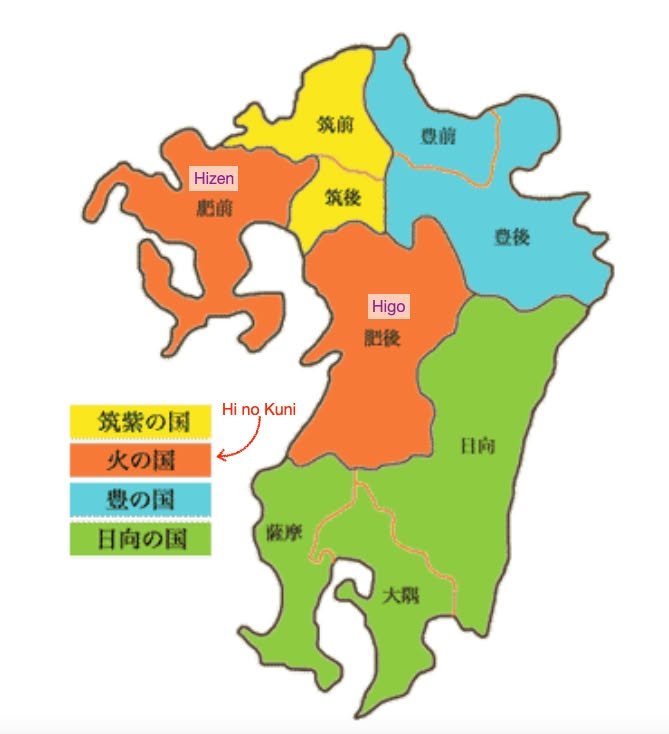
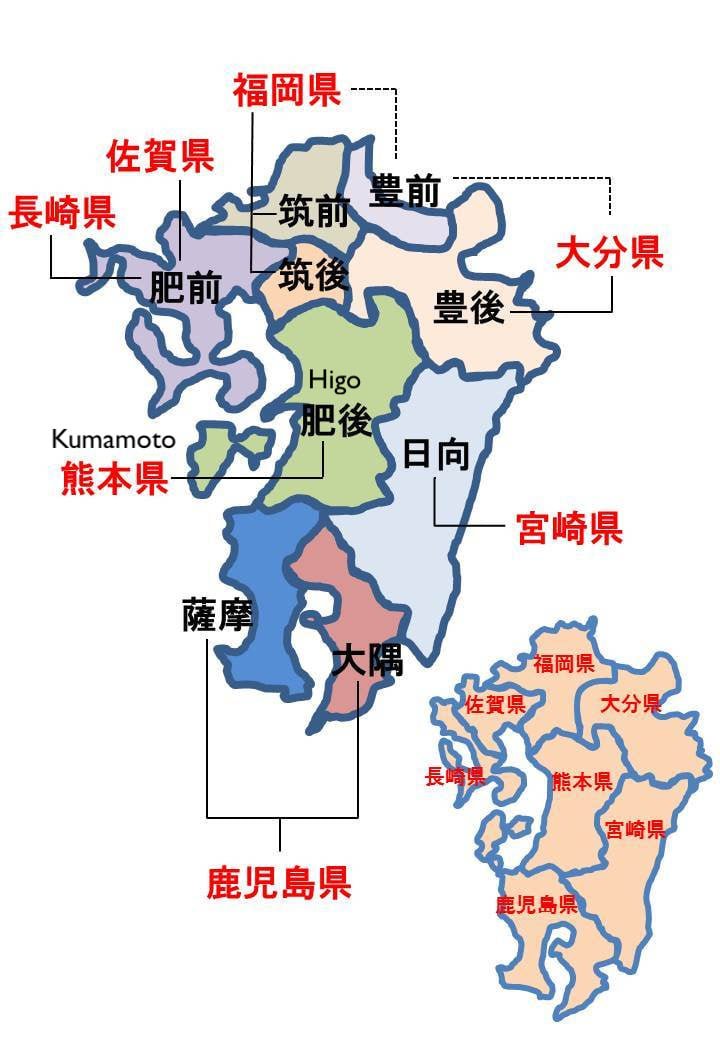
But, as the map shows, the old conception of Hi no Kuni included what is now Nagasaki. (By the way, this map was stolen from the following page: https://artworks-inter.net/ebook/?p=63)
And, just as Kumamoto was changed from 隈本 (origin of the nook) to the homophone 熊本 (origin of the bear), 火 (fire), which is read "hi", was changed (or transmogrified?) into the homophone 肥 (fertility and/or fat). In my view, "land of fat" was not an improvement on "land of fire," but I wasn't consulted.
At any rate, if you look at the map, you see that the old "countries" of "Higo" (Kumamoto) and "Hizen" (Nagasaki) together comprised the even older region of "Hi no Kuni." The split into Higo and Hizen seems to have occurred in the 8th century.
Quite a few areas in Japan were divided into "front" (zen; 前) and "back" (go; 後) in this way. It seems that the area thought to be closer to Kyoto would get the "front" character (前) and the area deemed farther from Kyoto would get the "back" character. The map shows that Hi no Kuni was just one of three areas in Kyushu that got subdivided into "front" and "back" parts. The question is "Why is Kumamoto 'Higo' and not 'Hizen'?" In other words, Kumamoto would seem to be closer to Kyoto that Nagasaki so isn't "Higo" a sort of misnomer? As far as I can tell, the answer seems to be that back then, most people didn't know how to use Google maps to check distances. (Postscript: See the comments for better, more historically plausible explanations regarding why Kumamoto could reasonably be considered to be in "back" of Hizen. Thanks, everyone, for the great feedback!)
The old meaning of Hi no Kuni included Nagasaki but today it seems to refer primarily to Kumamoto and is written 火の国, because Kumamoto has a big volcano and because people didn't want Kumamoto to be known as "the land of fat."
P.S. My comment about "land of fat" is somewhat tongue-in-cheek but I think the thrust of this little post is accurate. In other words, there is a historical connection between 火国 (Hi no Kuni) and 肥後 (Higo) and 火国 is the oldest name for this part of Kyushu. And, to the best of my knowledge, what I wrote about the 前後 division of areas is accurate. :)
Kirk here with some thoughts about names for the place we currently call "Kumamoto." Kumamoto is on the island of "Kyushu" (九州), which literally means "nine states." However, the "states" (州) were actually called "countries" (国) and this place was called Higo no Kuni (written "肥後国"). So, what was "Kumamoto"? Well, in the Edo Period, different parts of Japan were governed by "han" (藩) or "domains" and "Kumamoto Han" was the name of the domain started by KATO Kiyomasa and later taken over by the Hosokawa family.
The Edo-period system is rather confusing because the domains (藩) are not synonomous with the countries (国). The following Wikipedia article says that the domains (e.g. "Kumamoto han") were the "de facto" (that is, the actual) administrative units, while the countries (e.g. "Higo no kuni") were the "de jure" (that is, nominal) adminstrative uints.
https://en.wikipedia.org/wiki/Han_system
So, administration of countries (that is, places like Higo) could be split between a number of domains (han) that did the actual governing. In fact, the entire area of what is now Kumamoto Prefecture was not governed by the Kumamoto Domain in the Edo period. Before the Shimabara Rebellion (about 1637) it was governed by the Tomioka Han. (Footnote: Modern Tomioka-machi gets its name from this domain.) However, after the rebellion the Bakufu (central government) ruled over it directly, as it did over Nagasaki. (If you want something done right, do it yourself!)
This confusing han vs. kuni system was abolished soon after the Meiji Restoration when the current prefecture system was established. Hence, Kyushu now has seven prefectures, not nine, but the number 9 remains in the region name for historical reasons.
I'm not sure what conventions regarding the naming of han (domains) influenced Kato Kiyomasa but, for whatever reason, he choose a pre-existing place name (Kumamoto) rather than his own family name (Kato). But, as William has already pointed out, he changed the Chinese characters from 隈本 (orgin of a nook) to 熊本 (origin of a bear):
https://www.facebook.com/Kumamotoi/posts/5437695429637178
Name selection can be very important important in marketing. Thanks to Kato Kiyomasa we have a cute bear mascot named "Kumamon," not one called "Nooky." ;)
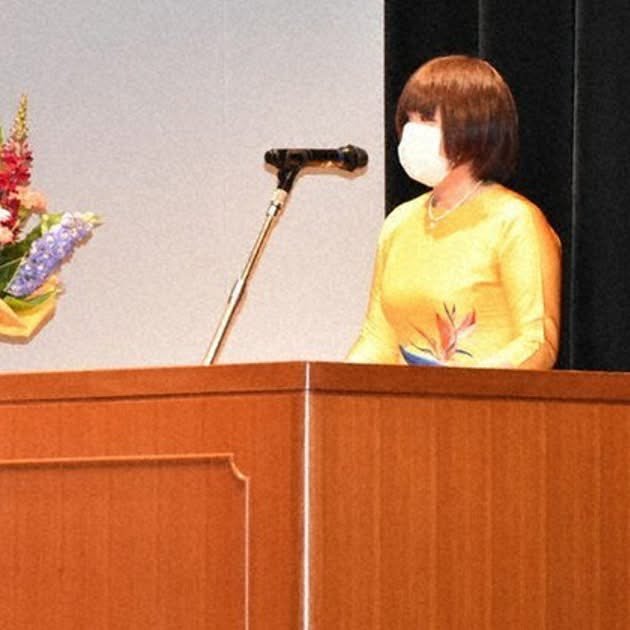
Kirk here with some news about the establishment of an association for Vietnamese residents:
"There are about 6,400 Vietnamese residents in the prefecture in southwest Japan, including students at Japanese educational institutions and technical trainees."
Assoc. of Vietnamese residents launches in Japan's Kumamoto Pref. - The Mainichi
KUMAMOTO -- An association of Vietnamese nationals living in Kumamoto Prefecture has been launched to facilitate interaction and information exchange
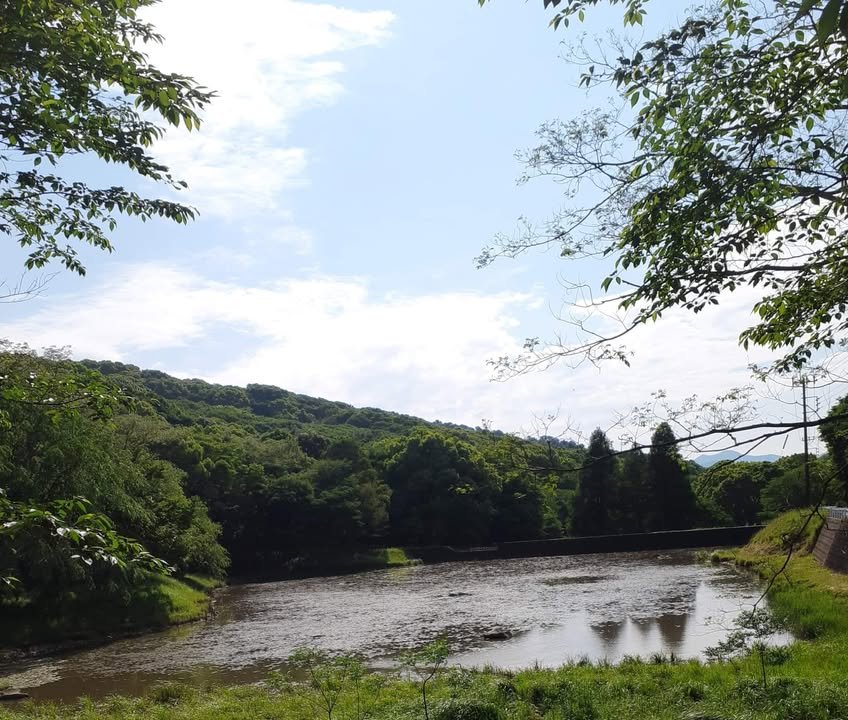
(Fiona) Thanks to all who came along for the first in-person Kumamoto-i meet-up in a very long time. We enjoyed walking and talking in the woods on a beautiful sunny afternoon.
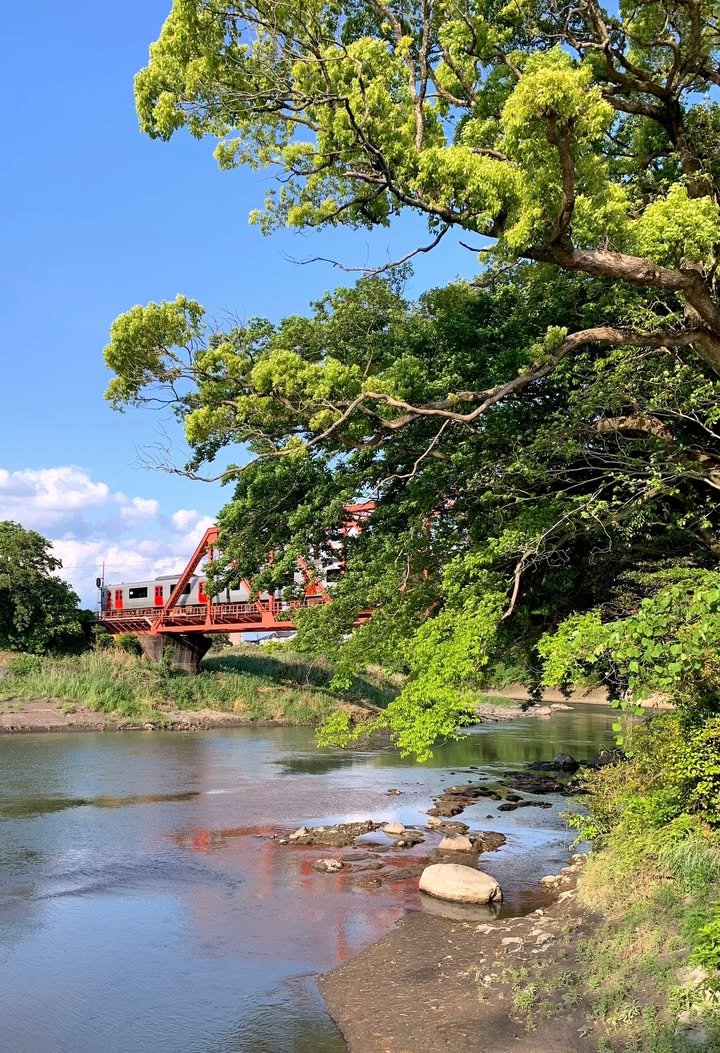
Kirk here with a view of a train crossing the bridge just south of the the Tatsutaguchi Station in Kumamoto City's East Ward. I was just upstream from the Ozeki Bridge. This part of the Shirakawa can be very pretty but it's often hard to get close enough to enjoy it. I was happy to find this spot on my way back from Saturday's "Walk and Talk," which I thoroughly enjoyed.
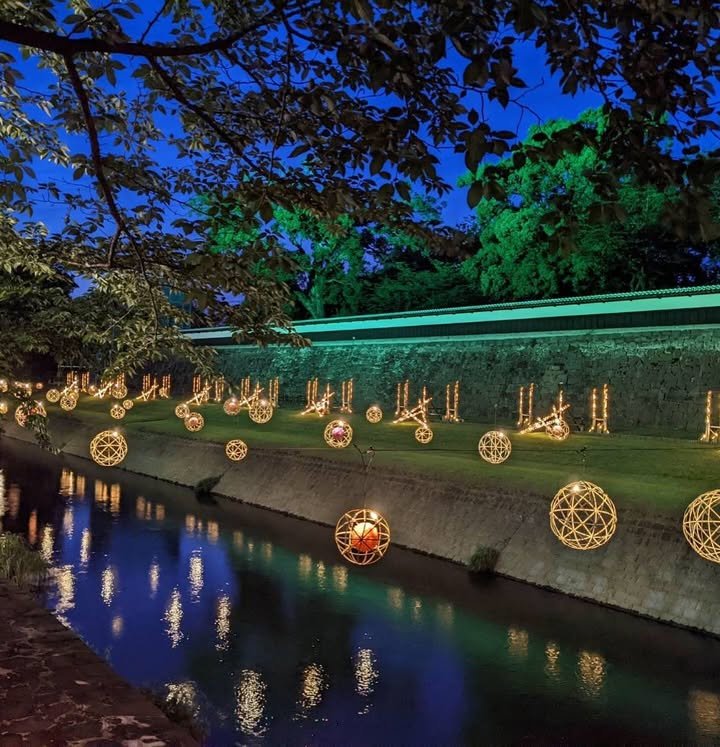
Hi Atsuko with bamboo lights information from tonight, May 7 (Sat.)
Hoping you enjoy Kumamoto early summer with beautiful bamboo lights and Kumamoto castle(๑˃ᴗ˂)و♡
The post and photos are shared by bamboo lights guest house, bamboo lights organizer.
ーーーーFrom the postーーーーーーーーーー
Kumamoto Flower Expo Bamboo Light"
Date and time: May 7 (Sat) - May 22 (Sun)
18:30-21:00
Place: Kumamoto Castle along the Tsuboi River (free admission)
🌟There will be a lighting ceremony tonight 🌟
Around 18:45-19:00
Place: Kumamoto Castle, along the Tsuboigawa River
The lighting up of the bamboo lights along the Tsuboigawa River will begin!
They used 500 bamboos from Mt Tatsuta.The bamboo lights were created with the participation of many citizens in a workshop in downtown.
It's also wonderful to have Ms. Naomi Seki, a floral artist, decorate decorate the bamboo light with flowers this time.There are about 140 bamboo clusters too.
We haven't been able to hold Mizuakari in Corona for a few years now, so it's probably been a while since we've seen Bamboo Akari here .
A pleasant night in this season.
Please enjoy the flower expo in the bamboo light.
https://www.facebook.com/109778117942811/posts/325269793060308/?sfnsn=mo
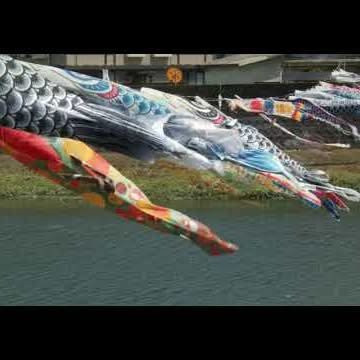
(Douglas) A short video taken of this year's, much reduced, display of Koi no Bori over the Tsuboi river at the bridge to the Takahashi Inari shrine.
Koi No Bori , Carp Streamers across the Tsuboi River
Megumi and I usually visit the Takahashi Inari Shrine bridge over the Tsuboi River in Kumamoto to see the Koi no Bori hanging in strings across the river eve...