Posts
"She [Molly Langland] previously attended the West Point Summer Leadership Experience. Additionally, she was Big Sky's ambassador to Kumamoto, Japan."
http://missoulian.com/news/state-and-regional/big-sky-high-school-student-accepted-to-west-point/article_153309b8-66d7-5e6e-b75d-0a3af10afc6a.html
Big Sky High School student accepted to West Point
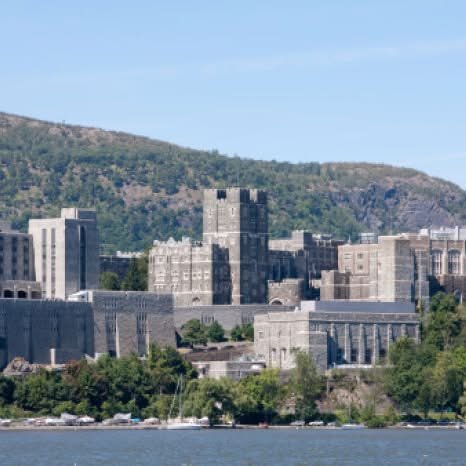
Molly Langland of Big Sky High School has been accepted to the U.S. Military Academy at West Point, New York.
This is an article about the man known as the father of Canadian karate. It found out about it because "Kumamoto," the hometown of his father, was caught be an RSS feed I use. I thought it was interesting that, after first going to Kumamoto with his father, Tsuruoka went to Tokyo where he saw Tsuyoshi Chitose perform karate because Chitose first developed his style of karate (Chito-ryu) in Kumamoto:
http://en.wikipedia.org/wiki/Chitō-ryū
https://groups.yahoo.com/neo/groups/kumamoto-i/conversations/messages/10313
http://www.theglobeandmail.com/life/facts-and-arguments/lives-lived-masami-tsuruoka-85/article22638702/
Lives Lived: Masami Tsuruoka, 85
Karate master, father, grandfather. Born on Jan. 12, 1929, in Cumberland, B.C.; died on Oct. 10, 2014, in Toronto, of a heart attack, aged 85.

Thanks to Tristan Scholze for sharing this on the page. Great photos! By the way, I'd like to encourage others of you to share your blog posts and/or photography here. I'm sure readers will appreciate the input!
https://www.facebook.com/Kumamotoi/posts/10152698934656545
Kuju in February
Visit Aso-Kuju National Park in central Kyushu once—anytime of year—and you’ve seen great beauty. But if you make the time to return again and again over a full year,

Tokyo only won because Kumamoto wasn't included in the study (?):
http://en.rocketnews24.com/2015/02/03/japanese-netizens-proud-to-see-tokyo-named-safest-city-in-the-world-osaka-number-three/
Japanese netizens proud to see Tokyo named safest city in the world, Osaka number three
Japan had plenty to boast last week when Tokyo was named as the safest city in the world by The Economist, with Osaka coming in a respectable third. Netizens were proud that even with Tokyo's famously terrible (and sometimes dangerous) commutes and Osaka's penchant for strange crimes, the two cities…

"She is not a native of a snowy region — in fact, she was born in the southern city of Kumamoto. She began snowboarding at 5 when she visited an indoor skiing facility in Fukuoka Prefecture with her family."
http://the-japan-news.com/news/article/0001901631
BOARD OF EDUCATION / Fast-learning teen slopestyle champ Onitsuka aims for top
Still at the tender age of 16, Miyabi Onitsuka has already etched her name into the snowboarding record books.

I posted about this a few days ago. This article has some pictures and more information. Here's the address of my previous post:
https://www.facebook.com/Kumamotoi/posts/775660609174040
http://techon.nikkeibp.co.jp/english/NEWS_EN/20150204/402381/?n_cid=nbptec_tecrs
SB Energy Starts Up 22.4MW Solar Plant in Kumamoto - News - Solar Power Plant Business
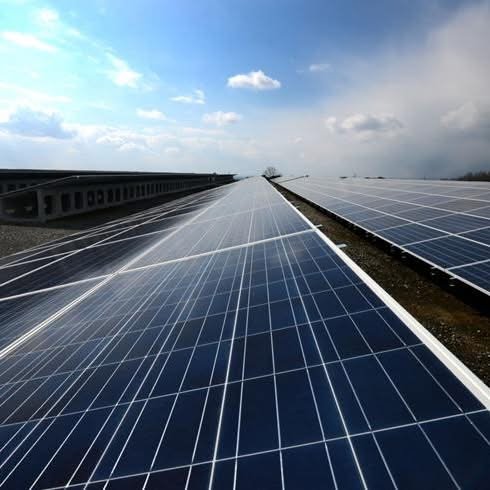
SB Energy Corp and Mitsui & Co Ltd had a ceremony to celebrate the start-up of a solar power plant with an output of about 22.4MW in Arao City, Kumamoto Prefecture, Japan.

Here's a quote from this message, which was first posted to the Kumamoto JET mailing list:
"The Kumamoto UNESCO group is planning another upcoming cultural exchange event oriented towards foreigners in Kumamoto. This time, it will be a bus tour heading to some famous cultural spots in Hitoyoshi and Taragi, located in the southern part of Kumamoto Prefecture. It will be a great opportunity to get a guided tour of some famous Kumamoto sights that you would not usually be able to see."
See the link for details. I called the prefecture and confirmed that it is open to all foreigners in Kumamoto.
Kirk
https://groups.google.com/forum/#!msg/kumamoto-jet/b38PDN54saA/uvvHkoXHxnAJ
Kumamoto UNESCO Cultural Treasure Bus Tour - Google Groups
=== start quote ===
The total investment amount is projected to be approximately 105bn yen [$891.6m, £591.8m, €788.2m] comprising approximately 78bn yen of investments in Nagasaki TEC, approximately 10bn yen of investments in Yamagata TEC and approximately 17bn yen of investments in Kumamoto TEC.
=== end quote ===
17bn yen is about 144 million US dollars. Might be good for the local economy.
http://www.ibtimes.co.uk/sony-spend-891m-boost-image-sensor-production-1486153
Sony to spend $891m to boost image sensor production
Sony to boost capacity in Japan to 80,000 wafers a month by the end of June 2016, from about 60,000 a month at present.

=== start quote ===
Some cemeteries have been around so long that no one even knows who owns the land, said Koichi Kawano, assistant deputy director for Kumamoto prefecture, a district on the southwestern island of Kyushu where the population has declined 3.1 percent over the past decade.
“That’s why people are calling city halls to report abandoned, decrepit cemeteries,” he said. “When you don’t know who manages cemeteries, you will turn to the government as a last resort.”
In Hitoyoshi City in Kumamoto prefecture, 43 percent of the 15,123 gravestones were abandoned, according to a 2013 survey.
=== end quote ===
The photo is only related to this article in that it is of a grave in Kumamoto.
http://finance.yahoo.com/news/abandoned-graves-tokyos-black-hole-210000680.html
More Dead Than Alive: Japan's Shrinking Regions Abandon Ancestral Graves
With the population dying off at an average rate of about half a million a year over the next five years -- that’s like losing Chicago -- there just aren’t enough family members left in many rural areas to look after the graves. The abandoned family shrines are one of the most visible indicators of…
TKU aired this segment about an event held by the Japan-America Society of Kumamoto.
For information about the organization, see
http://www.us-japan.org/resources/jpsocieties.html#kumamoto
One of the foreign students in the video, Hisae Suguimitzu, is responsible for making Lima, Peru the city with more fans of this page that any city outside of Kumamoto. I'll post about that later.
Posted by Kirk
http://youtu.be/zplu0jTYP6U
20150129pm 2

"Last week, the institute issued a flu epidemic alert for all 47 prefectures in Japan. In the week to Jan 25, the prefectures with the highest numbers of flu patients were Miyazaki (with an average of 86.05 infected persons per medical center), Kagoshima (78.59), Yamaguchi (75.12) and Kumamoto (71.689)."
http://www.japantoday.com/category/national/view/no-of-flu-patients-tops-2-million-for-3rd-week-in-a-row
No. of flu patients tops 2 million for 3rd week in a row
The National Institute of Infectious Diseases said Friday that the number of flu patients nationwide has topped 2 million for…
"The SoftBank Kumamoto Arao photovoltaic (PV) facility, located on Kyushu island, Arao city, is expected to produce about 21.9 GWh of electricity each year, the developer said on Monday."
http://renewables.seenews.com/news/sb-energy-to-launch-22-4-mw-solar-farm-on-feb-1-460908
SB Energy to launch 22.4-MW solar farm on Feb 1 - SeeNews Renewables
Jan 30, 2015 (SeeNews) - Japanese renewable energy firm SB Energy Corp and trader Mitsui Co Ltd (TYO:8031) will launch commercial operations at a 22.4-MW solar plant in the prefecture of Kumamoto on February 1.The SoftBank Kumamoto Arao photovoltaic (PV) facility, located on Kyushu island, Arao city…
"Prefectural police in Osaka, Nagasaki and Kumamoto magnetically attached GPS trackers to 19 cars and motorbikes used by the suspect and three others to monitor their movements."
The article says that the Osaka District Court basically said "no warrant, no problem." The United States reached a different conclusion about this sort of thing in 2012:
http://en.wikipedia.org/wiki/United_States_v._Jones_(2012)
http://ajw.asahi.com/article/views/editorial/AJ201501290041
EDITORIAL: Police use of GPS tracking devices raises privacy concerns - AJW by The Asahi Shimbun
The Osaka District Court decided in favor of the police in a privacy case that raised questions about whether they have the authority without a warrant to secretly attach global positioning system (GPS) devices to the cars of suspected criminals to track their movements.

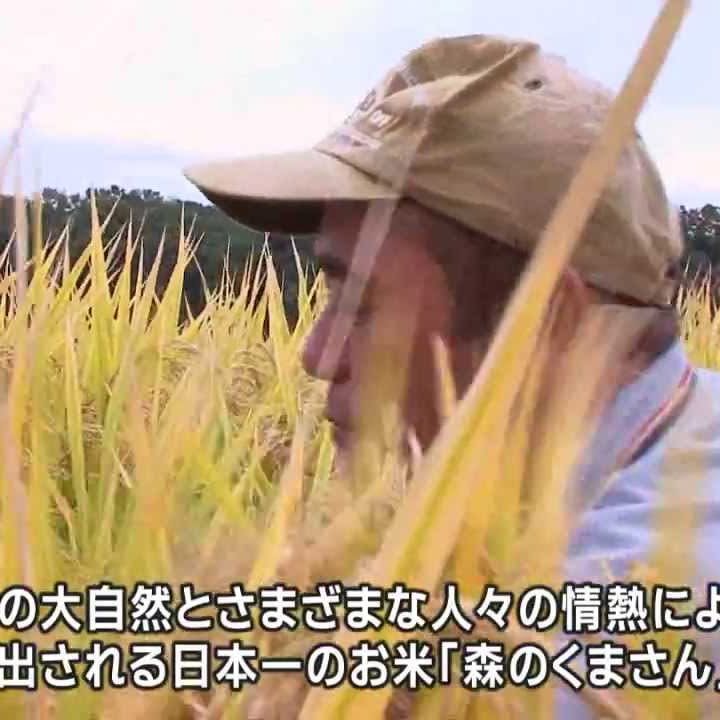
The 2012 crop of Kumamoto's "Mori no kuma-san" rice won first prize in a contest by the Japan Grain Inspection Association.
http://youtu.be/K75wHsw985Y
熊本のお米が日本一 ~『森のくまさん』が生まれるまで~ Kumamoto Rice is Number One in Japan
くまもとのお米「森のくまさん」が、日本穀物検定協会が実施する平成24年産「米の食味ランキング」で、日本一に輝きました。 「森のくまさん」は、熊本県農業研究センターで約8年の歳月をかけて開発され、熊本県のみで生産される、熊本のオリジナル品種。 今回は、熊本の大自然とさまざまな人々の情熱によって生み出される日本一おい...
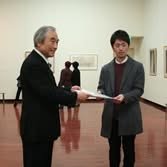
10,000 people have seen the exhibit of pencil drawings at the Contemporary Art Museum of Kumamoto. The exhibit will continue until February 8.
鉛筆のチカラ展 1万人セレモニー
Here's part of an explanation that was posted to the Kumamoto JET group:
==== start quote ====
The Kumamoto UNESCO group will be holding a Noh workshop in Kumamoto City this February. It will be mainly oriented towards study abroad students and ALTs/CIRs so this is a great opportunity to learn about the traditional Japanese theatre art of Noh. There will also be a chance to try on traditional Noh clothing and perform a few Noh moves yourself!
Time and Date: February 22 (Sunday), 2-4 PM, check in begins at 1:40
Location: Parea Hall, 10F, Japanese style room. It is right next to the Suidocho Tram Stop and is in the east Tsuruya building (the same building with Kumamon Square).
==== end quote ===
To see the rest of the message to to
https://groups.google.com/forum/#!msg/kumamoto-jet/8mlLOt6TqVo/lgSbAU8pueMJ
https://www.facebook.com/kumamotokibiru/posts/995467610481355
[熊本ユネスコ協会]2/22(日)14:00~「能楽ワークショップ」についてのご案内 | 大学コンソーシアム熊本
[熊本ユネスコ協会]2/22(日)14:00~「能楽ワークショップ」についてのご案内 投稿日:2015年1月27日 作成者: 大学コンソーシアム熊本 熊本ユネスコ協会より、大学コンソーシアム熊本加盟団体及び、在住外国人の皆様へ 「能楽ワークショップ」開催についてのお知らせです。 熊ユ協第24号 平成27年1月19日 (一財)大学コンソーシアム熊本 様 熊本ユネスコ協会会長 中山 峰男 熊本ユネスコ協会「能楽ワークショップ」開催について(ご案内) 日ごろから当協会の活動に対し御支援、御協力をいただき感謝申し上げます。 さて、当協会では、能…

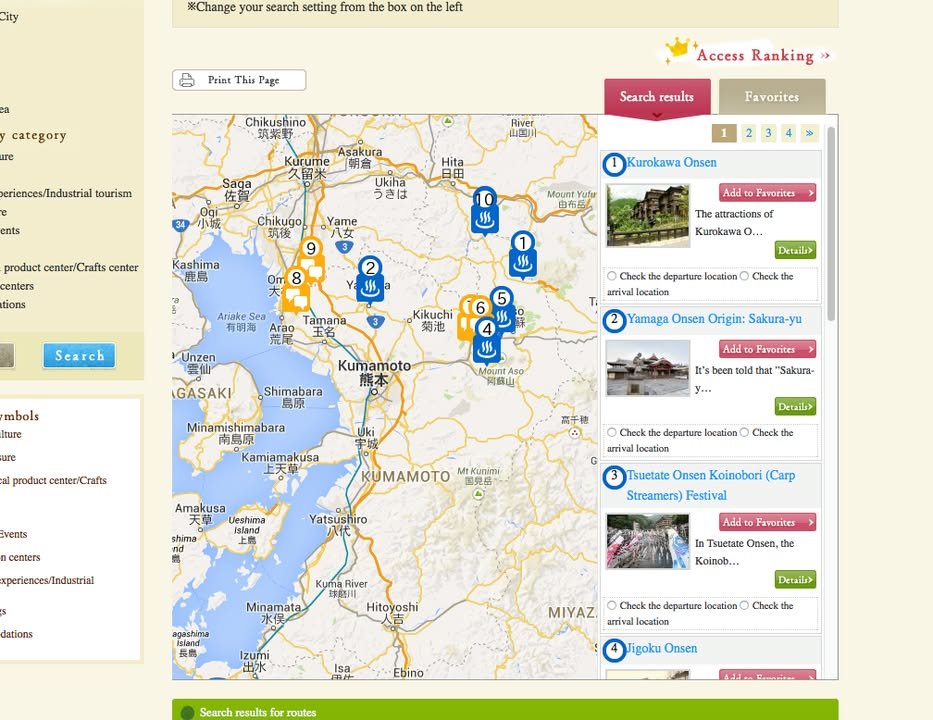
The following pages are on the Kumanago website. The first URL takes you to an English page. The second URL takes you to a Japanese page. Even if you are not very good at Japanese, you might want to give the Japanese page a try because the clickable map takes you to pages, with Google maps to show exact locations, about many more hot springs. If you like onsen, one strategy might be to just click on a place near your home or a place you are planning to visit and then go there to see what it's like.
I should point out that the Google maps are embedded in a way that makes them difficult to use. Once you get to the page with a map on it, you might just copy the Japanese address (toward the top of the page) and then paste it in a Google maps search. That will give you a map that will allow you to zoom in and out on as you please.
http://kumanago.jp/en/spots/search?keywords=&genre_id%5B4%5D=4
http://kumanago.jp/event/sub/onsen.html
The other day, I posted about a press release from the Kumamoto Islamic Center:
https://www.facebook.com/Kumamotoi/posts/773457572727677
This RKK video is about the same issue (in Japanese, of course).
http://youtu.be/M_d1fIakVpY

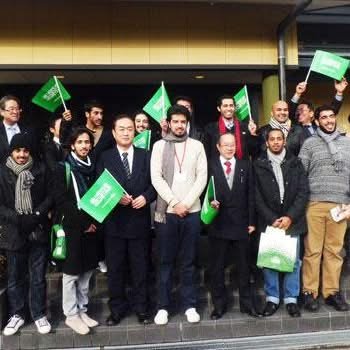
This is about an event to be held in Saudi Arabia about Kumamoto's Artpolis architecture.
"Kumamoto Artpolis is a movement that began in 1988 as a system whereby the commissioner recommended architects mainly for public buildings within the prefecture. Since then, 19 years have passed and nearly 70 projects have been realized under the system."
https://en-maktoob.news.yahoo.com/photo-expo-mark-60-years-japan-saudi-ties-070006881.html
Here's a quote from another article on the same topic:
"An architectural movement called "Kumamoto Artpolis" was started in 1988 on the initiative of the governor of Kumamoto at the time, Morihiro Hosokawa.
He later became Prime Minister of Japan in 1993. This exhibition aims to introduce not only modern architecture itself, but also the Japanese lifestyle through the construction of houses, schools, police stations and even public toilets."
https://en-maktoob.news.yahoo.com/japan-modern-architecture-display-national-museum-060105491.html
For English explanations about Artpolis and photographs see the following links:
http://www.japanvisitor.com/japan-city-guides/kumamoto-artpolis
http://www.sg.emb-japan.go.jp/JCC/invite_kumamotoartpolis_2013.html
http://www.jpf.go.jp/e/culture/exhibit/oversea/traveling/kumamoto.html
http://www.pref.kumamoto.jp/site/artpolis-en/artpolise4.html
Photo expo to mark 60 years of Japan-Saudi ties
The National Museum will hold a photo exhibition, "Kumamoto Artpolis-Architecture through Communication" starting Thursday to mark the 60th anniversary of Japanese-Saudi diplomatic ties which started in 1955. "The exhibition will introduce the best and unique modern architecture in Kumamoto in the…