Kirk had written about Kimono Month, and I had added a note below suggesting buying used kimono, which are unbelievably cheap. Here, I provide a comprehensive list of things you will need if you desire to be fully kimonoed out. Photos attached to this post correspond to each item.
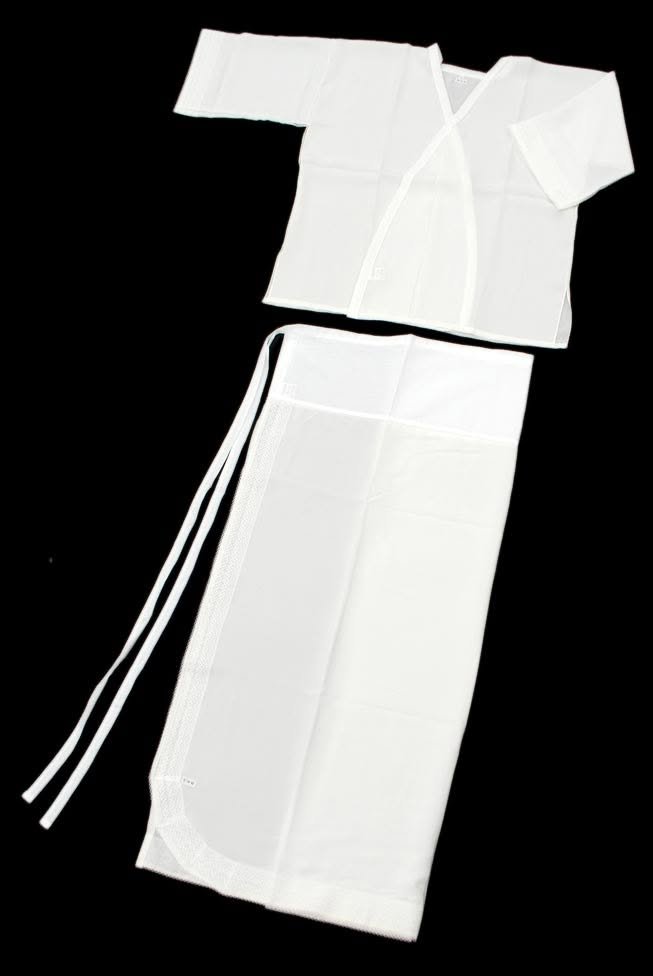
- Kimono underwear, known as hadajiban (top) and susoyoke (bottom) (肌襦袢と裾除け, pictured).
- A few small towels to help the kimono fit your stature.
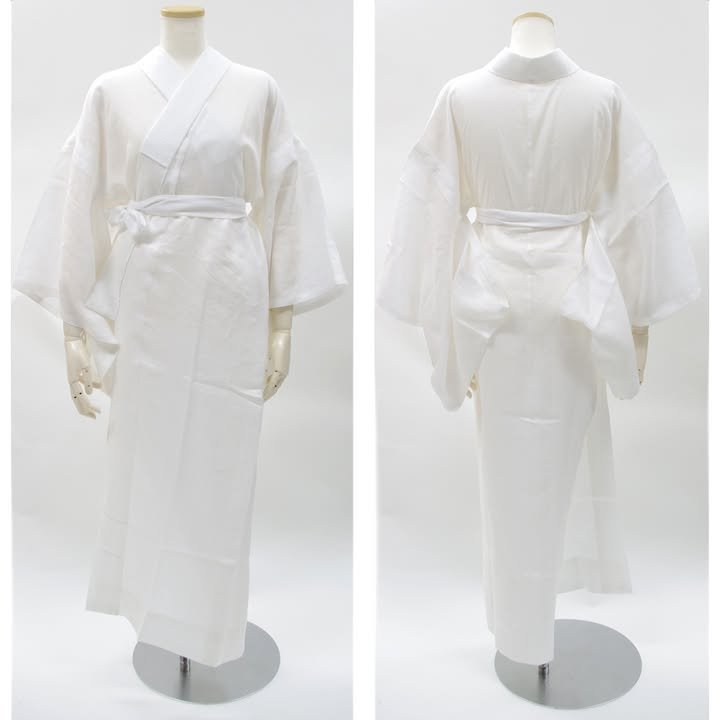
- Nagajuban (長襦袢, pictured), which is an under-kimono, though really, you can choose either the kimono underwear or the under-kimono; you don't really need both unless you're, like, really serious.
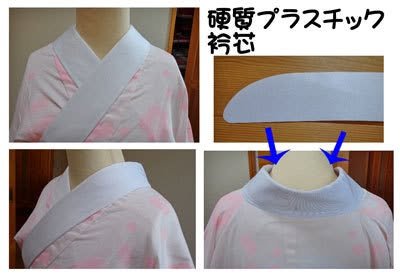
- Eri shin (collar core, 襟芯, pictured): this is designed to keep the collar of your kimono fashionably away from the back of your neck, a view of which is considered attractive. (Also optional.)
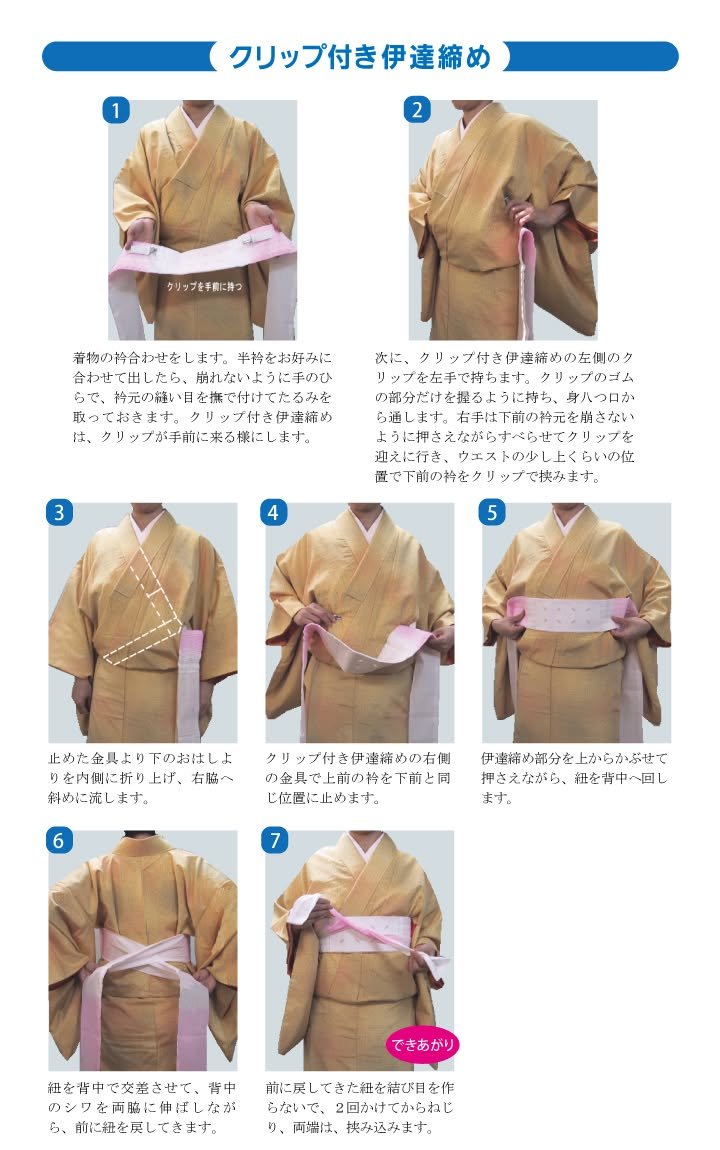
- Just like a horse dons a blanket between itself and the saddle, a datejime (伊達締め, pictured) will spare you the cinching pain from the next item.
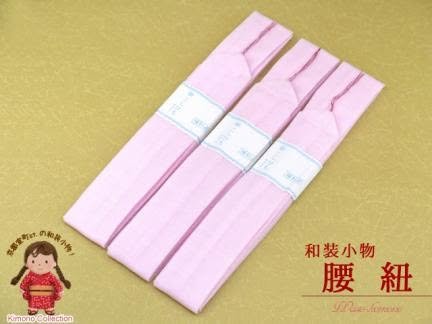
- A few waist cords (koshihimo, 腰紐, pictured). These are necessary. The obi is mostly decorative, and these slender strips of cloth do the work of keeping your kimono from bursting open. They are cheap; you can even make your own.
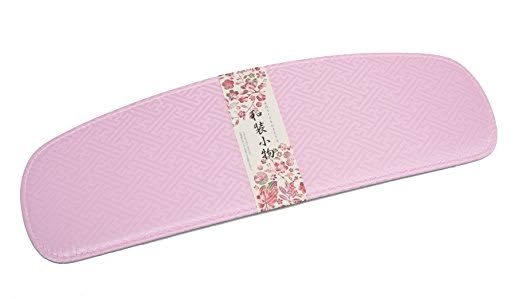
- An obiban (帯板, pictured) is a stiff piece of material placed against your lower back designed to hold the obi in place. They're cheap and kinda useful.
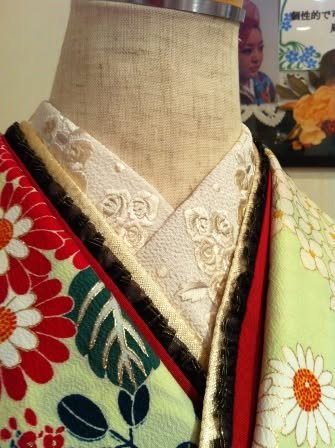
- A kasune eri (layered collar, 重ね衿, pictured) is a scarf-like decorative piece of cloth that peeks out between the nagajuban and the kimono. They are cheap and rather stylish.
- An obiage is (帯揚げ, pictured) a stretchy piece of cloth that covers the koshihimo and peeks out a bit from under the obi.
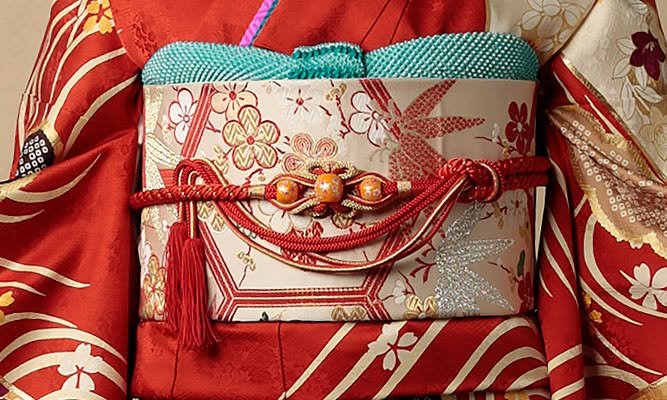
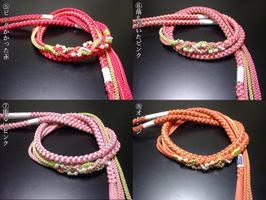
- Obijime (帯締め, pictured) are decorative cords worn over the obi.They're pretty much required.
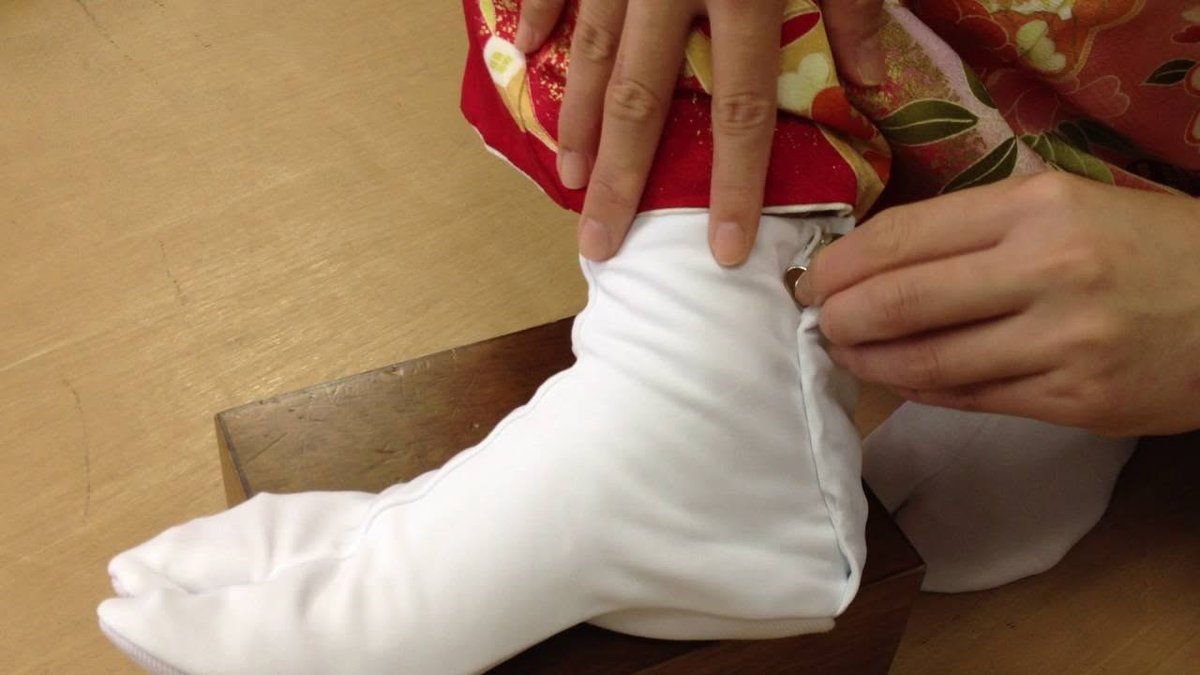
- Socks with a split between the big toe and all the other piggies worn with sandals are called tabi (足袋, pictured). DEFINITELY a requirement; one never wears zouri barefoot (though geta often are when worn with yukata in the summer). Get a couple of pairs just in case.
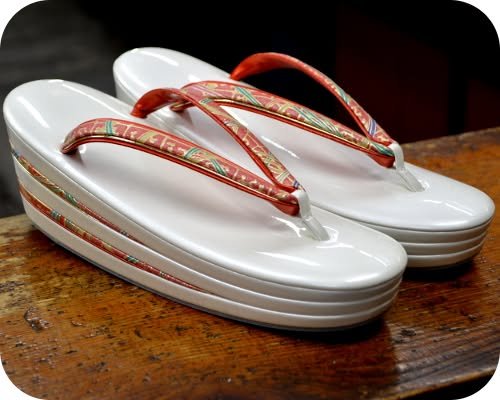
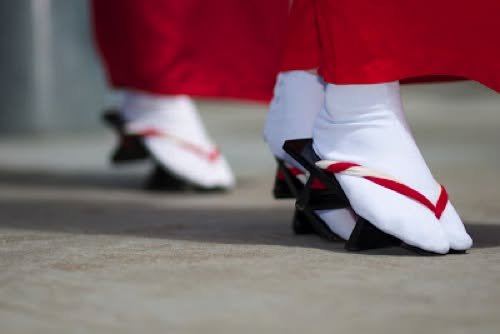
- Footwear. Wearing sneakers is inadvisable. Two types are available: zouri (草履, vinyl slippers) and geta (下駄,wooden clogs, both pictured). These are a must.
- A kinchaku (巾着, pictured), a traditional satchel, is an option to a purse.
- If you're going out in the cold, a haori (羽織, pictured) is useful - it's a 3/4 sleeve longish coat worn over a kimono. They're fun to wear with jeans, too.
- Then, of course, the kimono and obi.
Most of these items can be bought very inexpensively at a used kimono shop. Please reference the photographs for visual representations of each item, and best wishes for an enjoyable Kimono Month! - William