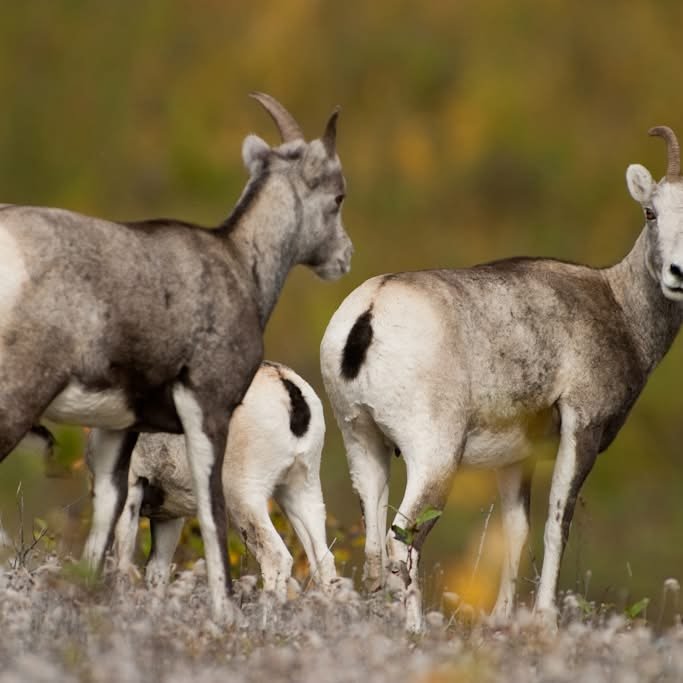
Spare a thought for the Japanese serow. Serows are difficult to classify: their family is Bovidae, indicating that they have four stomachs as do cows, and their subfamily Caprinae consists of mostly medium-sized bovines such as sheep and goats, but the serow is sufficiently genetically distinct that it contains no close relatives: it's neither sheep nor goat and cannot be domesticated. It lives in frosts, feasting mostly on what it can find on the ground, but will strip a tree of bark, thereby killing it. As such, farmers abhor them and will kill them whenever possible. This is unfortunate not only from a humane viewpoint but as the serow has long been a symbol of the mysteries of nature in Japan - the mount ridden by the last Emishi prince, Ashitaka, in the Ghibili movie "Mononoke Hime" was modeled on a serow.
Kumanichi points out that the number of serows in Kumamoto has fallen to some 40 and to 200 in Kyushu as a whole. This is attributed to habitat loss due to plantation farming of sugi (Japanese cedar), forcing the serow closer to human habitats for food. The article indicates this far below the number required to sustain their population in Kyushu, though the word "extinct" is used when, more accurately, it should be " extirpate" as it continues to live in Honshu.
Regardless, more must be done to protect this animal. When wolves were reintroduced to America from Canada after being extirpated there, care was taken to ensure that ranchers would be compensated for livestock losses. Transferring serows from Honshu to Kyushu would help to both increase their number and genetic diversity. Education regarding their importance and a robust program of compensation for crop losses would foster greater acceptance for this mysterious animal. Otherwise, it will likely go extinct, just as the Japanese wolf did. You can read more about the serow here: https://en.wikipedia.org/wiki/Caprinae - William