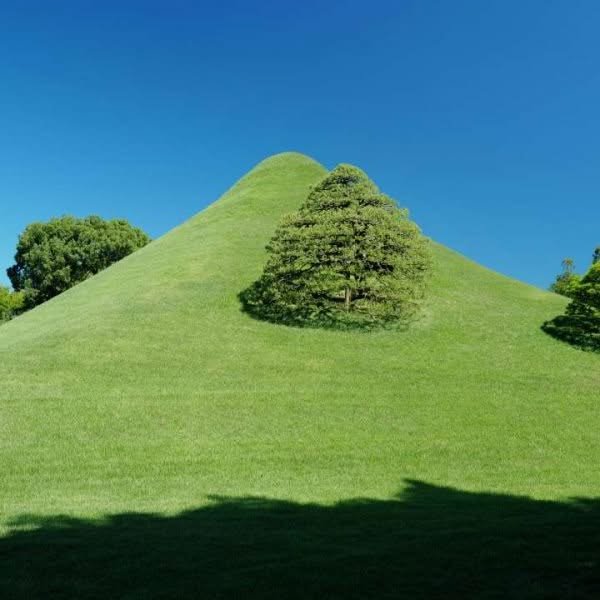
Kirk here with an article from which I learned something new about Suizenji Jojuen:
---- start quote ----
In order to create a garden pond in a low swampy area where there was natural springwater, an advanced civil engineering technique, along with an artistic sensibility was required.
The Hosokawa clan constructed the Shōryūji Castle in Kyoto Prefecture during Oda Nobunaga’s reign (1573-1582), and built a tenshu (castle tower) before the Azuchi castle tower existed. Then, at the Kokura Castle in Fukuoka Prefecture, which later became the clan’s residence, they built a castle with advanced technology by reclaiming low lying swampy land.
The skillful techniques needed to stabilize the pond shore at Suizen-ji Jōjuen and the embankment skills used to create the beautiful landscape mountains, were indeed made possible by the peaceful utilization of military technology, such as the foundation of stone walls and methods of building defensive banks cultivated through constructing castles.
---- end quote ----
The article seems to have been written first in Japanese and then translated into Engish; there's a link to the Japanese text at the end of the article. Here's the portion about the engineering involved in Suizenji Garden:
そして水が湧く低湿地を整えて園池をつくるには、芸術的感性とともに高度な土木技術が必要だった。細川氏は信長の時代に京都府の勝龍寺城を築いて、安土城天主より早く「天主」を建て、その後居城にした福岡県の小倉城では低湿地を先進技術で埋め立てて城を築いていた。
水前寺成趣園の池の岸を安定させる巧みな技術、美しい築山を生み出す盛土の技は、まさに築城で培った石垣の基礎や防御の土手(土塁)の造成方法などの軍事技術を平和に活かしてできた。庭園は人をもてなしてつなぎ、芸術を生み出す創造的な空間である。水前寺成趣園の精神を21世紀の私たちはどう受け継ぎ活かせるだろうか。