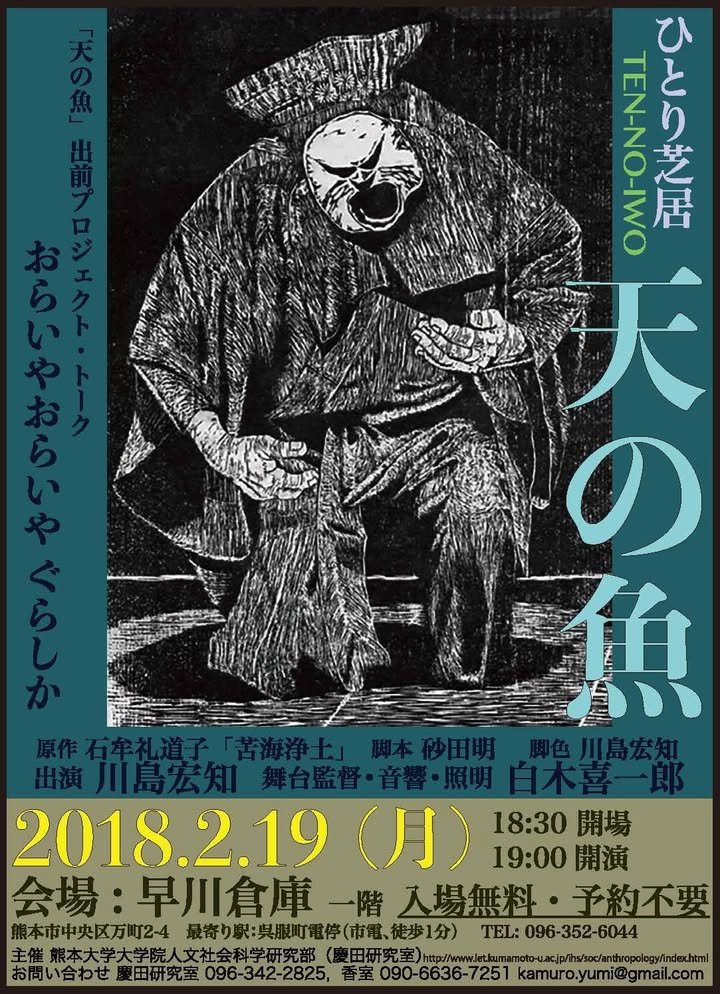
"Kukai Jodo" (苦海浄土, literally, "Bitter Sea, Paradise Earth", available at Amazon), was a novel published in 1969 by then 42-year old Ishimure Michiko (石牟礼 道子), who was born in Kawaura-machi, Amakusa (her surname is unusual, but the isolation of Amakusa has endowed it with linguistic idiosyncrasies). The novel (which I've yet to read) apparently centers on the rape of resources and resulting environmental harm which commonly occurs during a country's early economic development - in this case, the rape of Minamata.
Gofuku Machi (呉服町) is in what was once the commercial center of Kumamoto, though it has today deteriorated into gentile delapidation. A wattle-and-daub storehouse known as Hayakawa Souko (早川倉庫)was built there in 1915 and remains in use as an event space. On Monday, February 19 from 7:00 PM, an actor named Kawashima Kouchi (川島宏知)will present a solo excerpt of the novel entitled "Fish of Heaven" (天の魚, Ten no Iwo). This excerpt was written several decades ago, has won several literary awards, and has been performed around the globe.
So if you're free Monday night, you can acquaint yourself with an historical building and an important story in one of the best parts of Kumamoto. Take the trolley and disembark at the Gofuku Machi stop; it's a short walk from there, and while there, be sure to visit Jay and Chikae's lovely bakery, Out of Step, which is close by - https://www.facebook.com/outofstepbagels/ . - William
2018-02-11 11:56 JST

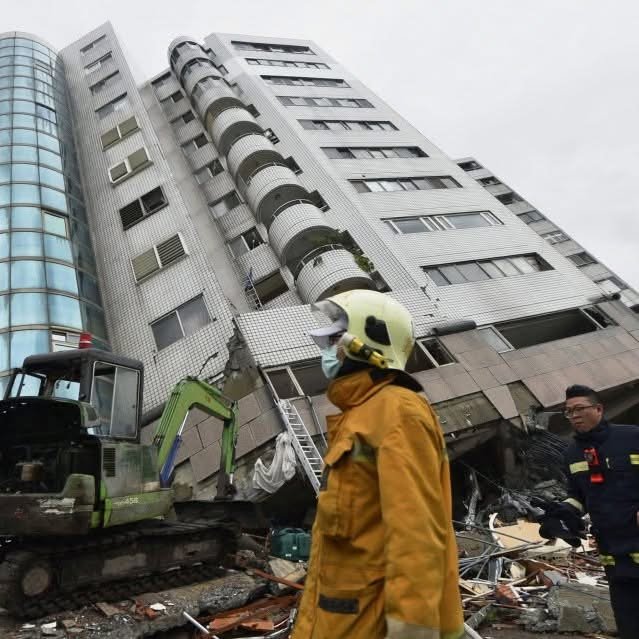
The government and people of Taiwan offered support and assistance after the 2011 earthquake in northern Japan and the 2016 quake here in Kumamoto. In regard to Kumamoto, see
https://www.facebook.com/Kumamotoi/posts/1093569050716526
At the moment, I haven't been able to find any good resources in English about how best to donate or help from Japan but I know everyone who experienced the quake here hopes that people affected by the quake in Taiwan are getting the help they need. If any of you have any good information about how to donate or help, please type that in as a comment to this post.
-- Kirk

Japan sends quake rescue team, equipment to Taiwan
Japan sends a team of search and rescue experts to Taiwan to help find survivors of a devastating earthquake.

2018-02-09 22:43 JST

Leave it to the Japanese to take the quintessential individual athletic event - running - and turn it into a team sport: Voila, the "ekiden" (駅伝, relay). Unlike the 4X100M or 4X400M relays common in the west, Japanese ekiden commonly feature legs covering kilometers. Now is the season, as the most common participants (college students) are still on winter break and the weather is sufficiently horrendous to exert maximum suffering on participants and spectators alike.The most famous ekiden is held from Tokyo to Hakone and back between January 2-3, when New Years-induced catatonia still blessedly reigns, but Kumamoto has a tolerably insufferable course as well. It will begin this Sunday, 2/11, in Amakusa City and wind its way up Route 266 to its finish at the Kumanichi Building, better known as B-Puresu. Fittingly, low temps are forecast to be 0°C, highs of 5°C, and snow. Whoever survives should begin arriving there around 2:30 PM. Enjoy! https://kumanichi.com/jigyou/event/detail/301907/
In other news of athletic self-masochism, don't forget that the Kumamoto Marathon is scheduled for February 18. Most of the local citizens who are not actually taking part enjoy lining its route to congratulate each other on their wisdom of not actually taking part and laugh at those who do. More can be read here at the link. https://this.kiji.is/333834765563102305?c=92619697908483575 - William

第44回郡市対抗熊日駅伝 | 主催事業 | 熊本日日新聞社
 郷土の期待を担う県内郡市19チームの精鋭が、早春の天草ー熊本路14区間106.9kmでたすきをつなぎ、熱いレースを繰り広げます。午前9時に天草市役所前を一斉にスタート。先頭走者が午後2時33分ごろ、熊本市のびぷれす熊日...

2018-02-08 21:09 JST

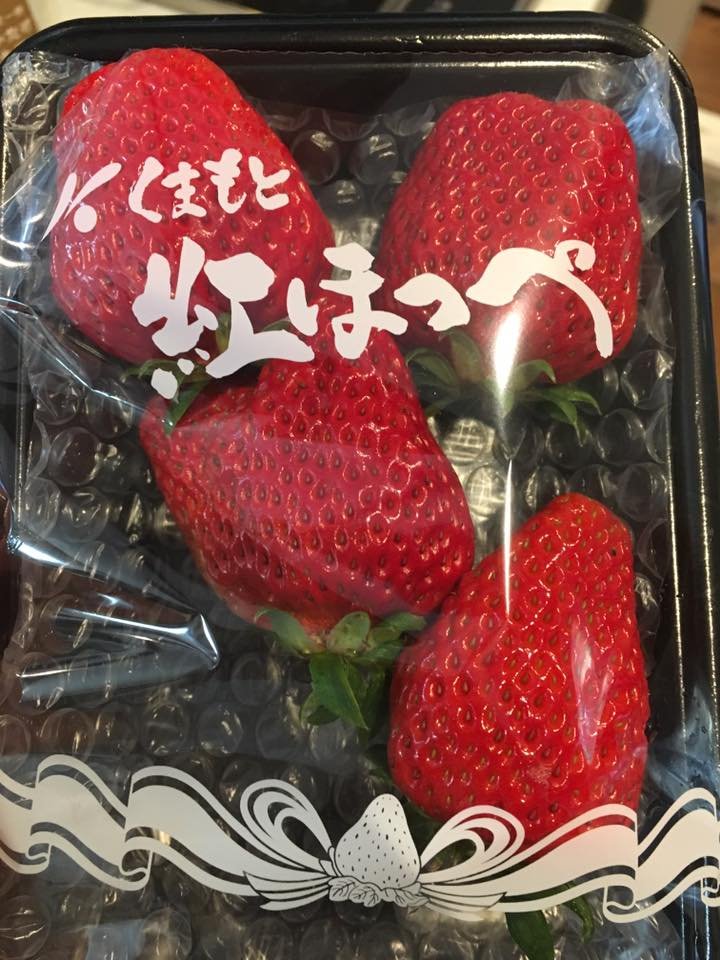
Talking about Strawberries since they are in season now.
Kumamoto has ゆうべに (Yuubeni) and 紅ほっぺ (Beni Hoppe)
Anyone knows any other strawberries from Kumamoto?
Hakata has あまおう (Amaou)
あ ーー > 甘い (あまい)
ま ーー > 丸い (まるい)
So far I am only seeing these three these days. And they are so far the most affordable ones.
Amaou strawberries can be pricey at certain places though.
Please feel free to share more information about strawberries 🙂
-Olivia-

2018-02-08 16:46 JST

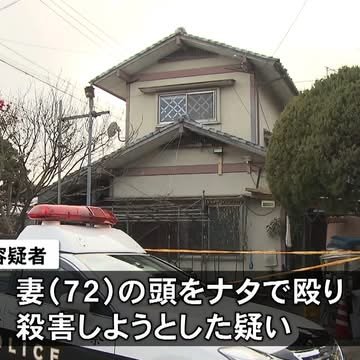
This sad local incident seems to be part of a national trend. As Japanese society ages, family members (in this case, the husband) are often put under great stress taking care of senile family members. Of course, nothing excuses such violence, but as more and more people find themselves in highly stressful caregiving situations, the number who "crack" seems to be rising too.
This article published in the Japanese version of Newsweek late last year says that one caregiving related murder occurs every two weeks (!) in Japan:
https://www.newsweekjapan.jp/stories/world/2017/12/21-14.php
Here are some English articles on the stress of caregiving in Japan that also mention cases of violence:
The new face of home caregivers
Awful dilemma: Keep working or look after elderly parents
https://www.japantimes.co.jp/news/2009/07/30/national/the-new-face-of-home-caregivers/
In greying Japan, caregiving concerns drive some families to murder
http://www.asiaone.com/greying-japan-caregiving-concerns-drive-some-families-murder
If you'd be interested in reading a free academic article on the topic, search for
"Social Support and the Mental Health of Family Caregivers: Sons and Daughters Caring for Aging Parents in Japan"
It was published last year by the Japan Sociological Society. I'm not sure but this link may work:
https://goo.gl/5ETAAi
-- Kirk
https://www.tokyoreporter.com/2018/02/05/kumamoto-man-70-attacks-wife-with-machete-i-reached-my-limits/

Kumamoto man, 70, attacks wife with knife: 'I reached my limits' | The Tokyo Reporter
Suspect told police, 'My wife's mental condition became ridiculous'

2018-02-06 21:31 JST

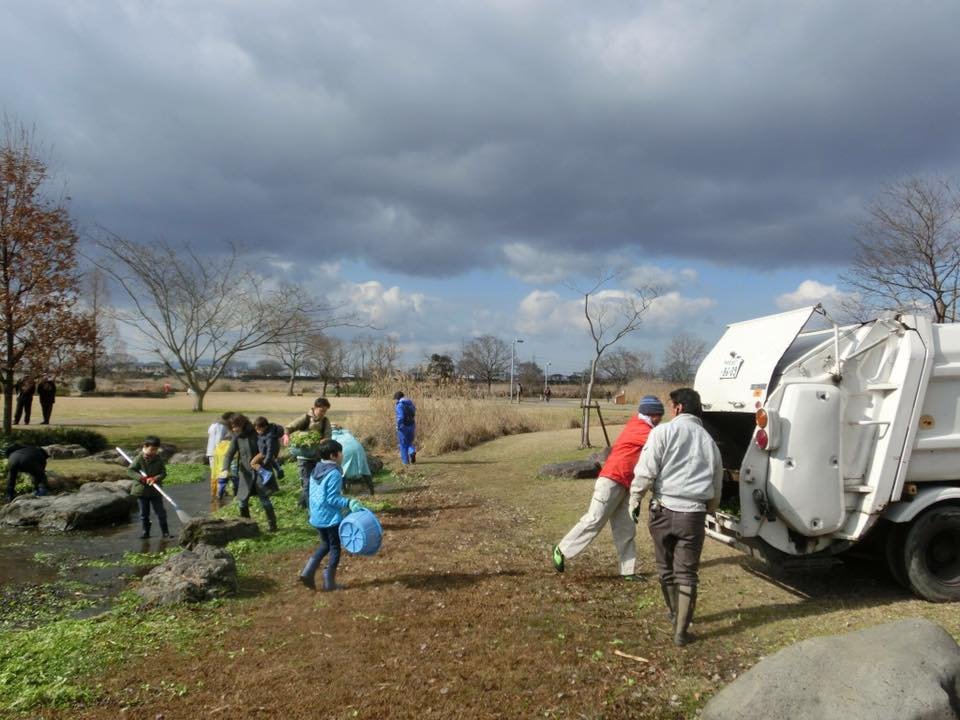
A Community Event Cleaning the "外来水草"
(I am sorry, I don't know the English name for this plant)
at Suizenji Ezuko Park,
Date: 17 February
Time: 10-12pm
Registration is needed:
Suizenji Ezuko Park Service Center (I think you will need to converse in Japanese)
096-360-2620
You will need to prepare for yourselves:
Long Boots, Gunte (Working Gloves), Attires that allow you to work easily (that you don't mind getting dirty with, and keep you warm)
Here is the official site for the event:
https://m.facebook.com/events/200341280522437/?ti=icl#_=_
-Olivia-

2018-02-06 10:47 JST

Here's a nice article about how the B. League All-Star Game became an occasion to give Kumamoto another push toward recovery. Personally, I was interested in the photo of Robert Sacre holding hands with a little local girl. I hope that examples such as his of people who are positive role models and also happen to have decorated their bodies with tattoos will help dissolve the "tattoo = criminal" stereotype -- and maybe even lead to a relaxation of bathing rules.
-- Kirk
https://www.japantimes.co.jp/sports/2018/02/02/basketball/b-league/b-league-boosts-kumamoto-recovery/#.WnbjS2aB2qk

2018-02-05 17:00 JST

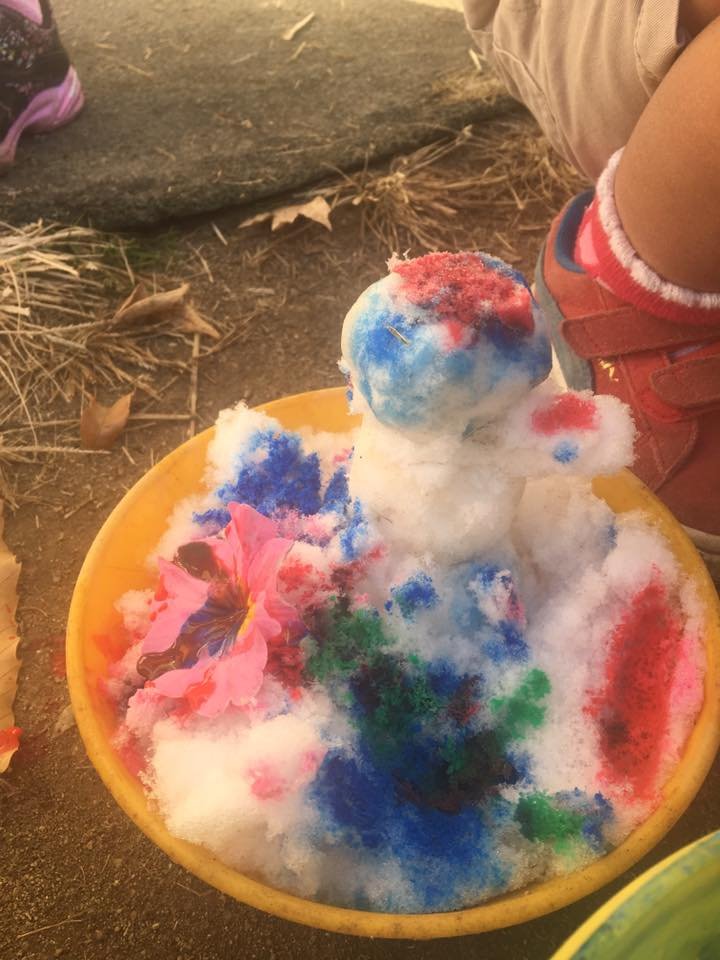
Snow is here, in Kumamoto.
Not much, but still alright to have fun with.
I scrapped a bit from my car and store them into a bucket.
Hoping that they'll still be there when kids come home.
I see some kids at school have started making "かきごり" (Shredded ice bowl) with the snow.
Be safe in driving and walking at certain places though ☃️❄️
-Olivia-

2018-02-05 09:25 JST

An article related to the news William shared with us (https://www.facebook.com/Kumamotoi/posts/1770223866384371) yesterday. I continue to be surprised by the relative lack of coverage. I haven't seen anything about this on the various Japanese news programs that I record and check regularly.
-- Kirk

Oily deposits on Kyushu island coasts possibly from sunken tanker: Coast Guard - The Mainichi
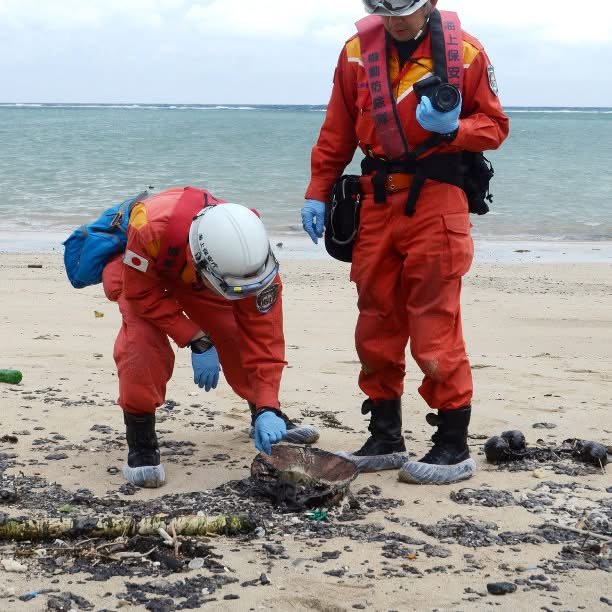
AMAMI, Kagoshima -- The Japan Coast Guard (JCG) launched a probe on Feb. 2 into black oily deposits that have been washing ashore here -- speculating they may be from an oil tanker that sank in the East China Sea in January.

2018-02-05 08:20 JST

Heads-up on the oil slick that's spread from that tanker that collided with a container ship, burned for a few days, and then went what scientists call "kablooey," spilling what hadn't burnt of its light oil into the fast-moving current of the Kuroshio. As CNN notes, most of the resulting mess has ended up on southern islands such as Amami Ohshima, but some has crept into the Yatsushiro and Ariake seas. As it's very light oil, perhaps it will sublimate soon, but then again, perhaps it will not. Scientifically, we're in uncharted waters. - William
ナインポストは「今」見て欲しい動画を厳選して紹介するメディアです。

2018-02-04 20:00 JST

Kumamoto International conversation recently centered on kimono and where to get used stuff cheap. I'd mentioned a shop off of Route 3 on the road that continues to Kamitori off of the Fujisaki Shrine road; today, I passed by and confirmed its name: リサイクルきもの呉楽. It's got five stars, which is about (okay, lemme do the math... lessee) five more than I've got. Joe Tomei, add it to your list. Click for a Google Streetview. - William
熊本市服楽 - Google Search

2018-02-04 19:39 JST

A note from the Kumamoto International Desk of Wacky Nicknames: Kumamoto's own octogenarian photophile, Kimiko Nishimoto (almost a nonagenarian! good luck with that!), has acquired a clever moniker: "Insta-gran"! Ha ha! Get it? - William
Japan's 'Insta-gran' finds fame with wacky selfies
A madcap Japanese great-grandmother armed with a camera and an appetite for mischief has shot to fame for taking side-splitting selfies -- many of which appear to put her in harm's way. Closing in on her 90th birthday, Kimiko Nishimoto tweaks the nose of fear: she has amassed more than…

2018-02-04 09:11 JST

Perhaps you've heard this little song: "Usagi o-ishi . . ." Some kids think that it's a song about how yummy bunnies are but "oishi" is actually a classical form of the verb "ou" (to chase). I mention this because RKK documented some rabbit chasing in Ubuyama (Aso area) today. I don't know what the cultural significance of flushing out rabbits by pounding the ground in mid-winter might be but the American interviewed said it was fun (sorry, I don't know his name). And, of course, today's event was catch and release -- no "yummy" bunnies today. ;)
-- Kirk
P.S. If you click on the link, you should be able to view the YouTube video.

阿蘇郡産山村の草原でウサギ追い体験 |熊本のニュース|RKK熊本放送
RKKラジオAM1197kHz・ワイドFM91.4/92.3/94.2MHz、RKKテレビは3ch!九州・熊本のラジオ&テレビ放送局(TBSテレビ系列)です。

2018-02-03 20:47 JST

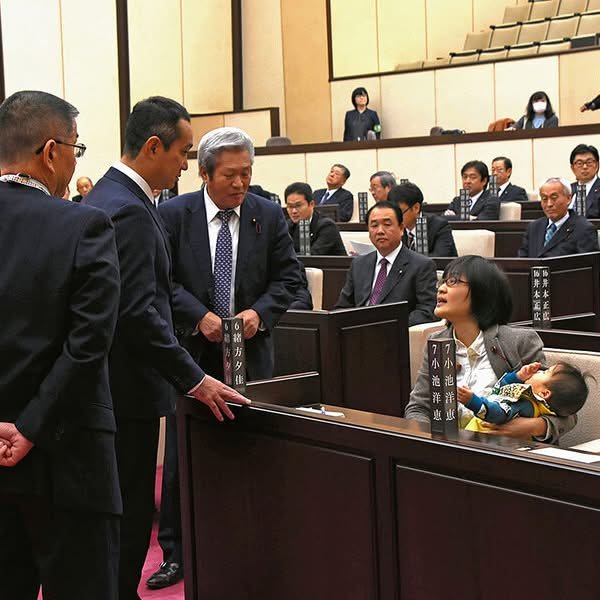
I know that many readers of this page have seen this photo many times but the article is new. One thing that was new to me was information about how an assembly in Okinawa permitted a member to do what Ms. Ogata was not allowed to do:
"Like Ogata, Ayumi Miyazato is a city council member in southern Japan – and a new mother. Unlike Ogata, however, she was able to take her 3-month-old baby to the assembly this fall, which provided space for childcare during meetings."
-- Kirk

In Japan, baby-at-work fuss highlights deeper issue: few women in politics
A city council's reprimand to a member for bringing her baby to work has heightened awareness of working moms' challenges in Japan. Better daycare would help – but deeper attitude shifts require more women in government, advocates say.

2018-02-03 12:01 JST

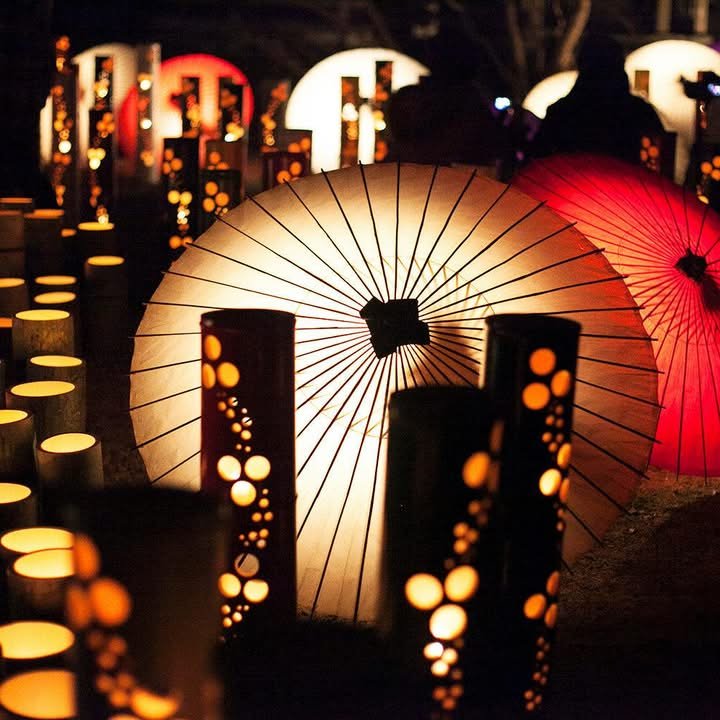
Fridays and Saturdays throughout February . . .
-- Kirk
https://kumanago.jp/en/spots/detail/430000003414.html

Yamaga Tourou Roman Festival, Hyakka Hyakusai (Lantern Festival in February) Kumamoto Nagomi Tourism Site
Why not take it easy in the breathtaking nature of Kumamoto, the “Land of Fire”? Nagomi Travel Journal, the sightseeing website of Kumamoto Prefecture, features a wealth of information on Kumamoto, including diverse sightseeing areas, delicious local specialty products, traditional handicrafts, ...

2018-02-03 07:43 JST

Just before I saw Olivia's post about banpeiyu, I saw something on one of NHK's national news programs about the fruit. It seems that it has been certified in the Guinness World Book Record as the heaviest type of pomelo in the world. I also learned that over 90% of the banpeiyu consumed in Japan are grown in Kumamoto.
-- Kirk
https://www.facebook.com/Kumamotoi/photos/a.607228756017227.1073741827.123734781033296/1765610956845662/?type=3&theater
http://kumanago.jp/en/spots/detail/430000005196.html

Banpeiyu Kumamoto Nagomi Tourism Site
Why not take it easy in the breathtaking nature of Kumamoto, the “Land of Fire”? Nagomi Travel Journal, the sightseeing website of Kumamoto Prefecture, features a wealth of information on Kumamoto, including diverse sightseeing areas, delicious local specialty products, traditional handicrafts, ...

2018-02-02 22:31 JST

Have you ever got a Banpeiyu gift before?
https://en.m.wikipedia.org/wiki/Banpeiyu
(The big citrus fruit)
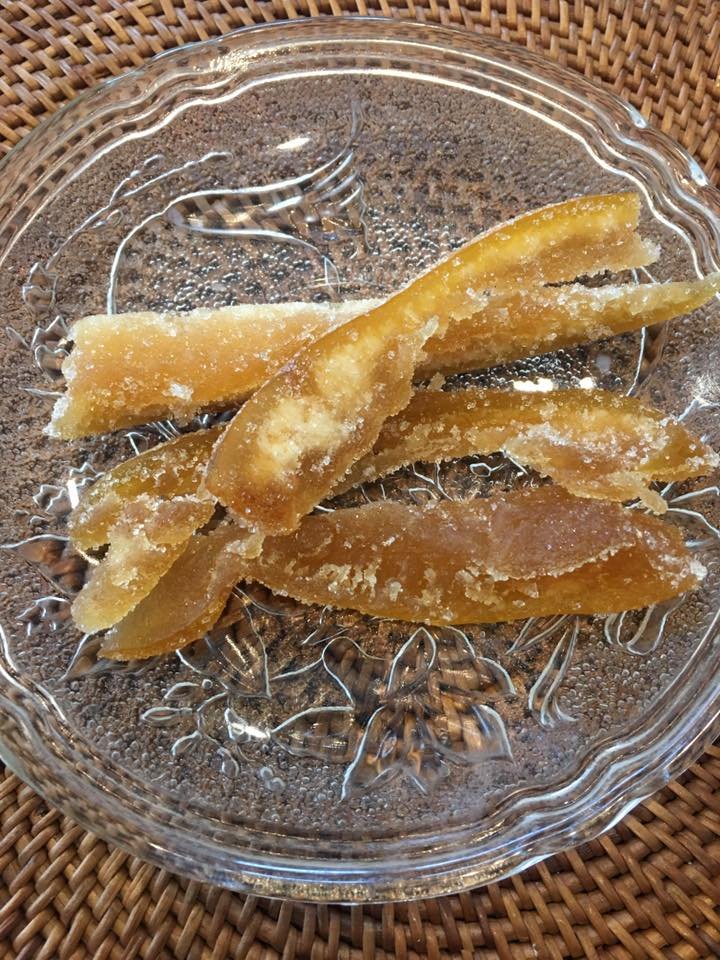
I have not got any Banpeiyu yet, but my dear neighbour gave me "Banpeiyu Satou Zuke" --- バンペイユのさとうずけ------
(Sugared Citrus peel) today.
It tasted great. Perhaps one day I can make one my own (or maybe I'll just buy one)
Do share pictures and tips when you make your own successful Sugared Citrus peels 🙂
-Olivia-

2018-02-02 16:14 JST

"Tokuda Ryūnosuke, operator of an animal hospital in the city of Kumamoto, opened an evacuation shelter for pets and their owners when the Kumamoto Earthquakes struck in April 2016. Convinced that helping pets helps their owners too, he took to social media immediately after the quakes to inform the public about his shelter and eventually provided care for a total of 1,500 people and 1,000 pets."
Dr. Tokuda's work extends beyond Japan's borders: He "has promoted TNR (trap, neuter, return) to reduce culling of stray cats in Japan and participated in a rabies eradication campaign in Bali, Indonesia."
If you'd like to have Dr. Tokuda take care of your pet, you can find his clinic here:
http://ryunosuke.co.jp/information/access.html
-- Kirk
https://www.nippon.com/en/people/e00133/

Veterinarian Tokuda Ryūnosuke: Postdisaster Help for Pets and Owners Alike
Veterinarian Tokuda Ryūnosuke has worked tirelessly to improve postdisaster quality of life for both humans and animals. In addition to opening an evacuation shelter for pets and their owners after the Kumamoto Earthquakes, he has promoted TNR (trap, neuter, return) to reduce culling of stray cats ...

2018-02-02 11:20 JST

This is about an event to be held in sister-city San Antonio. The pianist is Tomoko Sonoda, of Kumamoto. I found the following YouTube video of her playing in Kumamoto with a guitarist. I particularly enjoyed the guitarist but don't know his name:
https://www.youtube.com/watch?v=82vZ29x9weg
-- Kirk
https://musicalbridges.org/events/international-sister-city-jazz-ensemble/

INTERNATIONAL SISTER CITY JAZZ ENSEMBLE
The creation of a Sister

2018-02-01 15:06 JST

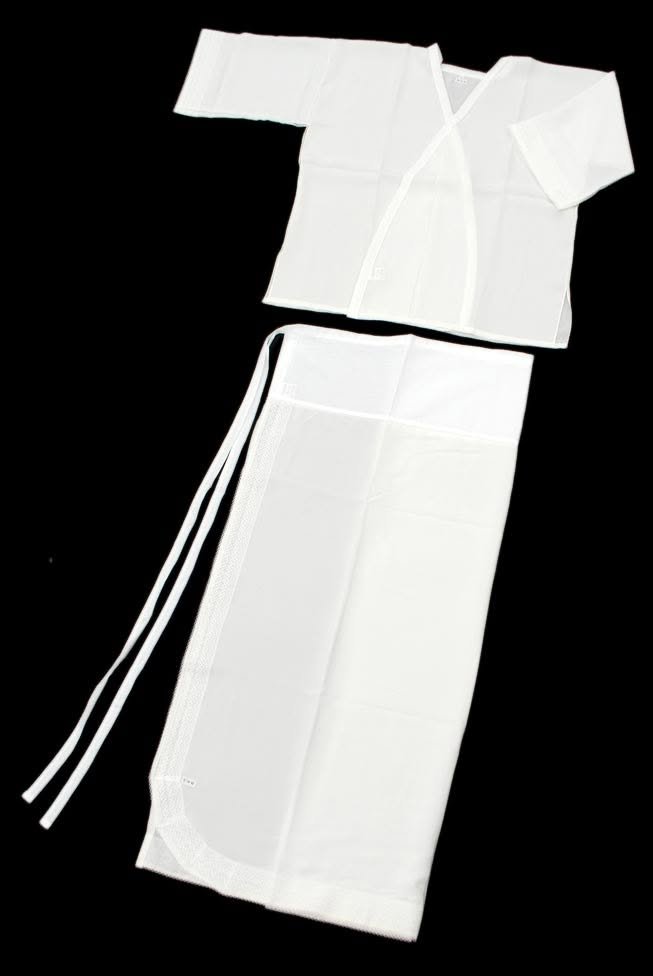
Kirk had written about Kimono Month, and I had added a note below suggesting buying used kimono, which are unbelievably cheap. Here, I provide a comprehensive list of things you will need if you desire to be fully kimonoed out. Photos attached to this post correspond to each item.
- Kimono underwear, known as hadajiban (top) and susoyoke (bottom) (肌襦袢と裾除け, pictured).
- A few small towels to help the kimono fit your stature.
- Nagajuban (長襦袢, pictured), which is an under-kimono, though really, you can choose either the kimono underwear or the under-kimono; you don't really need both unless you're, like, really serious.
- Eri shin (collar core, 襟芯, pictured): this is designed to keep the collar of your kimono fashionably away from the back of your neck, a view of which is considered attractive. (Also optional.)
- Just like a horse dons a blanket between itself and the saddle, a datejime (伊達締め, pictured) will spare you the cinching pain from the next item.
- A few waist cords (koshihimo, 腰紐, pictured). These are necessary. The obi is mostly decorative, and these slender strips of cloth do the work of keeping your kimono from bursting open. They are cheap; you can even make your own.
- An obiban (帯板, pictured) is a stiff piece of material placed against your lower back designed to hold the obi in place. They're cheap and kinda useful.
- A kasune eri (layered collar, 重ね衿, pictured) is a scarf-like decorative piece of cloth that peeks out between the nagajuban and the kimono. They are cheap and rather stylish.
- An obiage is (帯揚げ, pictured) a stretchy piece of cloth that covers the koshihimo and peeks out a bit from under the obi.
- Obijime (帯締め, pictured) are decorative cords worn over the obi.They're pretty much required.
- Socks with a split between the big toe and all the other piggies worn with sandals are called tabi (足袋, pictured). DEFINITELY a requirement; one never wears zouri barefoot (though geta often are when worn with yukata in the summer). Get a couple of pairs just in case.
- Footwear. Wearing sneakers is inadvisable. Two types are available: zouri (草履, vinyl slippers) and geta (下駄,wooden clogs, both pictured). These are a must.
- A kinchaku (巾着, pictured), a traditional satchel, is an option to a purse.
- If you're going out in the cold, a haori (羽織, pictured) is useful - it's a 3/4 sleeve longish coat worn over a kimono. They're fun to wear with jeans, too.
- Then, of course, the kimono and obi.
Most of these items can be bought very inexpensively at a used kimono shop. Please reference the photographs for visual representations of each item, and best wishes for an enjoyable Kimono Month! - William

2018-02-01 13:53 JST