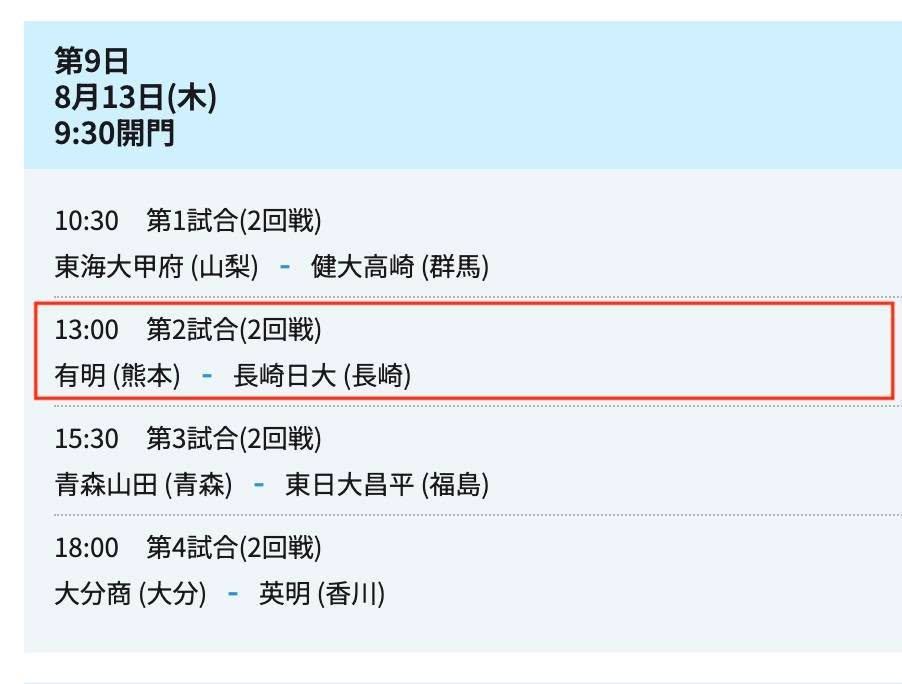
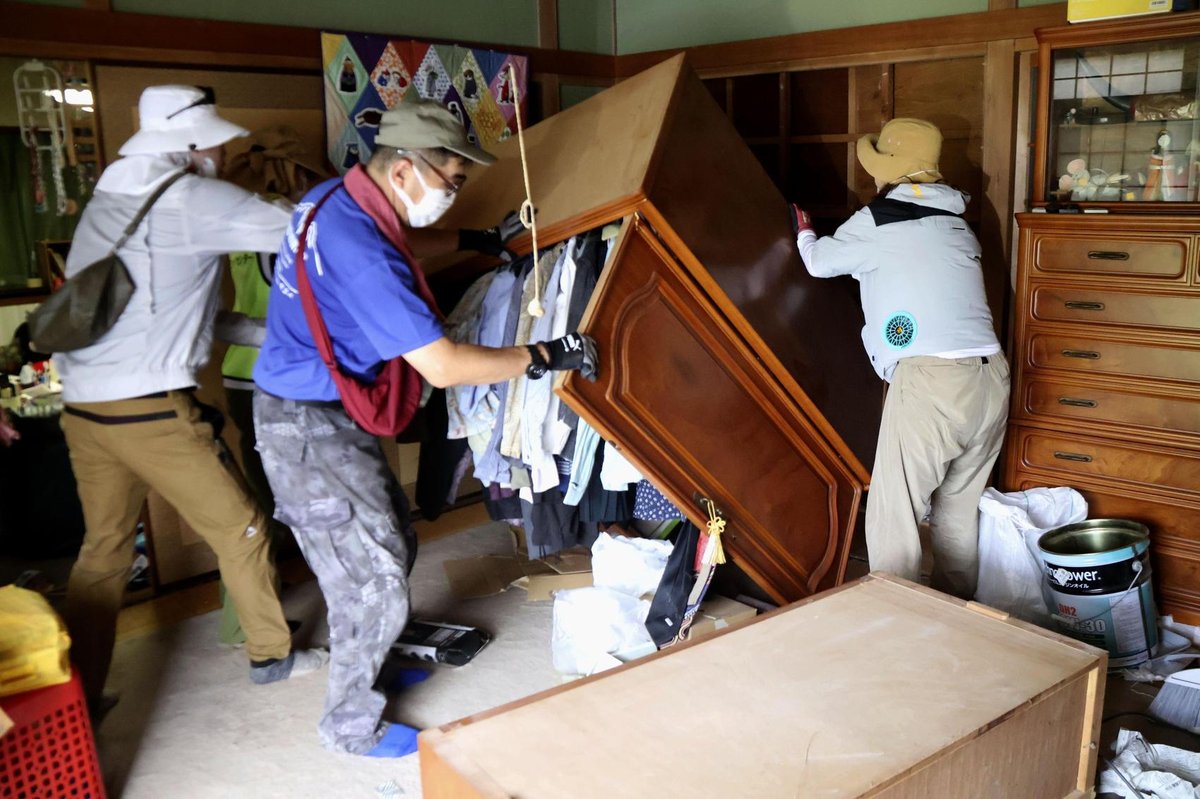
At 1PM today (Thursday), Ariake plays Nagasaki Nichidai. Second game of the Koshien series for Ariake.
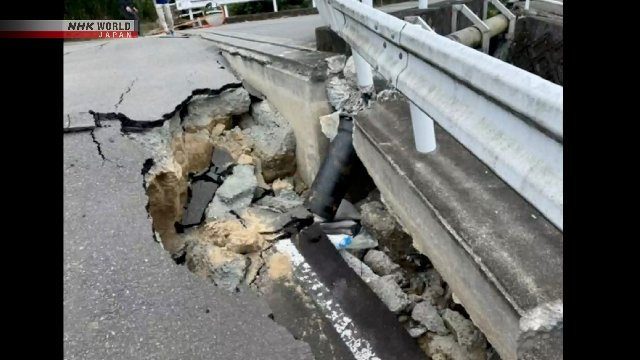
The recovery is taking time. On last night's NHK news I saw a segment about how water pipes crossing fault lines are particularly difficult to fix because they were not just broken -- the relative positions have changed. -- Kirk Over 30,000 buildings without water two weeks after Kumamoto quake | NHK WORLD-JAPAN News More than 30,000 buildings in Japan's Kumamoto Prefecture were still without water on Wednesday, two weeks after the area was struck by a deadly earthquake.
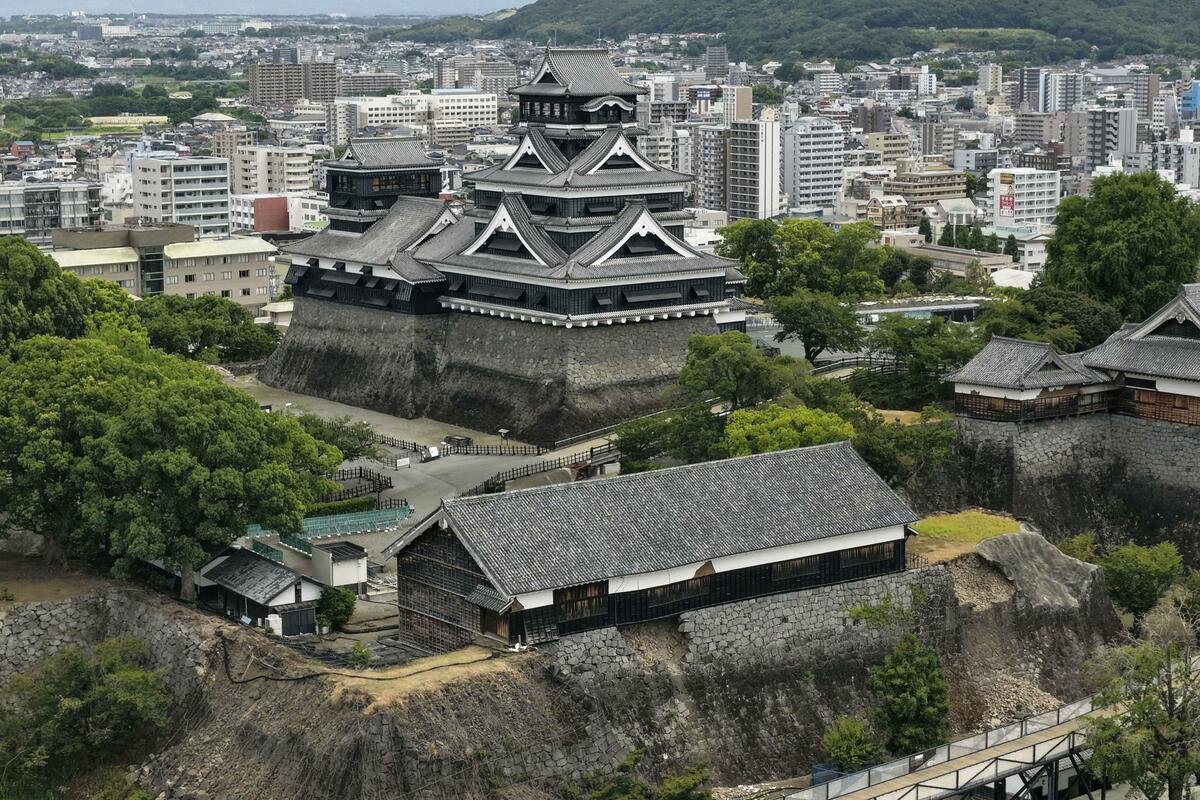
My impression is that the damage to various castle walls (in addition to the damage from 2016) will take a long time to repair. I assume, though, that there was no significant damage to the castle itself and that any areas that might be deemed unsafe will not be accessible. -- Kirk Kumamoto Castle set to reopen to visitors 2 weeks after M7.1 quake Quake-hit Kumamoto Castle will reopen to visitors later this week, the city said Tuesday, two weeks after a magnitude-7.1 earthquake struck southwestern Japan.
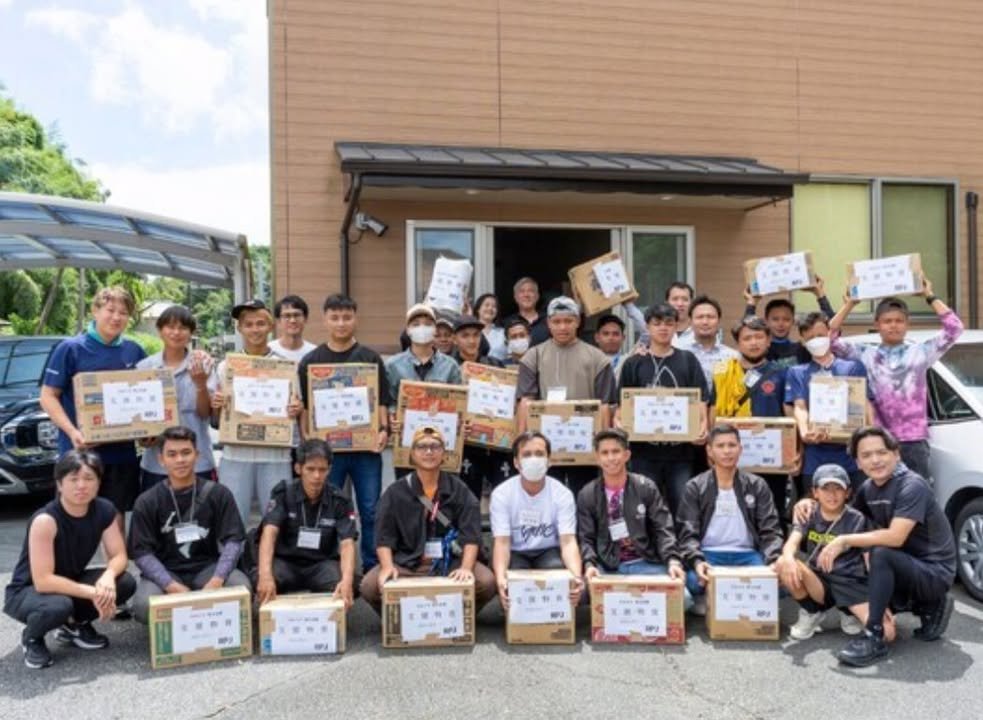
Kirk here. This article says that eighteen foreign technical intern trainees from Vietnam, Indonesia, the Philippines, and Nepal took part in a relief effort for people affected by the Kumamoto earthquake, delivering water, daily necessities, and other supplies to three locations. The trainees are currently studying at Kyushu International Academy (九州国際学院), a Fukuoka training school that provides Japanese-language and orientation courses for newly arrived foreign technical intern trainees. Some had only recently arrived in Japan and experienced the earthquake soon after coming here. According to RPJ Co., Ltd. (株式会社RPJ; I don't know what RPJ stands for), which operates the academy, the trainees themselves wanted to find a way to help people affected by the disaster, including people from their own countries already living and working in Kumamoto. This article on the Nishinippon Shimbun website is based on a press release from RPJ. --- ChatGPT translation --- Foreign Technical Intern Trainees from Kyushu International Academy Provide Relief Supplies Following the 2026 Kumamoto Earthquake Support Delivered Across Nationalities — Trainees Act on Their Desire to “Do Something to Help” We extend our heartfelt sympathies to everyone affected by the earthquake and sincerely hope that normal, peaceful daily life can return as soon as possible. At Kyushu International Academy, operated by RPJ Co., Ltd. in Fukuoka City, foreign technical intern trainees currently undergoing training took the initiative in providing relief supplies to areas affected by the earthquake in Kumamoto Prefecture. The supplies were delivered to three locations with which arrangements had been made in advance, including companies where graduates of Kyushu International Academy are working and facilities serving as distribution points for relief supplies. A total of 18 people participated, representing students at the academy, including technical intern trainees from Vietnam, Indonesia, the Philippines, and Nepal. They delivered water, daily necessities, and other supplies needed locally out of a desire to help people affected by the disaster and others living in the area. The trainees actively helped unload and carry the supplies, carefully transporting the relief items one by one. The academy plans to continue doing what it can while monitoring conditions in the affected areas and determining what kinds of assistance are needed. Some of the technical intern trainees who participated had experienced the earthquake shortly after arriving in Japan. They said that they had been frightened and anxious after experiencing such strong shaking just as they were beginning life in an unfamiliar country. Even so, they began thinking, “Is there anything we can do for the people affected by the disaster?” That led to this relief effort. There are also people from Vietnam, Indonesia, the Philippines, and Nepal who came to Japan before them and are now living and working in Kumamoto Prefecture. “If people from our own countries who came to Japan before us are having difficulties, we want to help them, even if only a little.” That feeling was another motivation for the relief effort. A Vietnamese technical intern trainee said: “There was an earthquake soon after I came to Japan, and I was very scared. I was still not used to life in Japan, but I wanted to see if there was anything I could do for people who were in trouble, so I took part in this relief effort.” An Indonesian technical intern trainee said: “There are people from my country in Kumamoto who came to Japan before me and are working hard here. I wanted to do something, even if only a little, to help them and other people in the community who are having difficulties. I’m glad I was able to take part in delivering supplies.” Mizuki Noguchi, a director of RPJ Co., Ltd., commented: “This relief effort was not something that RPJ initiated. The technical intern trainees themselves thought about whether there was anything they could do for people affected by the disaster and took action on their own. “Crimes involving foreigners sometimes receive a great deal of attention. But we also hope that more people will become aware that there are foreigners in Japan who are studying and working hard and who want to take action to help people in need and the communities where they live.” Kei Egashira, also a director of RPJ Co., Ltd., commented: “We provided support with things that would have been difficult for the trainees to handle by themselves, such as preparing and transporting the supplies and coordinating with the organizations receiving them. “We are very pleased and encouraged that the trainees thought for themselves and acted to help others across national boundaries. We intend to continue supporting necessary activities while respecting their desire to help.” Kyushu International Academy has spent more than ten years working on educational issues related to support and post-entry training for foreign nationals, developing its own curriculum covering Japanese-language education, daily-life guidance, workplace manners, and cultural understanding. In addition to teaching Japanese and the knowledge needed for work, the academy considers it important to foster connections with local communities and a willingness to think about and help people who are experiencing difficulties. The relief effort provided the technical intern trainees with a valuable opportunity to learn the importance of helping one another. RPJ and Kyushu International Academy say they will continue providing whatever support they can while remaining attentive to conditions in the affected communities. --- end translation --- https://www.nishinippon.co.jp/item/1525976/
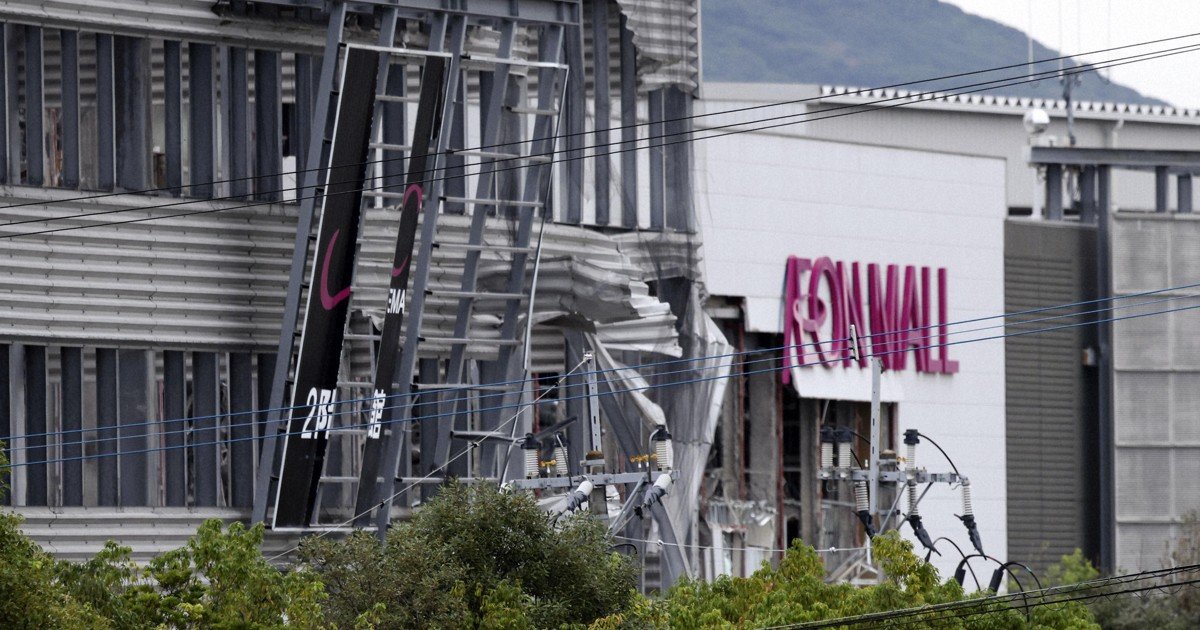
If I had been there, I probably would have thought it would be OK to go back in too. But the people who designed the building must have known that an explosive gas leak after a major earthquake was at least in the realm of possibility. Somehow, that bit of insight seems to have been lost when Aeon Mall put its emergency manual together. :( -- Kirk Aeon says staff allowed to reenter quake-hit mall despite ban before blast - The Mainichi TOKYO (Kyodo) -- Major Japanese retailer Aeon Co. said Tuesday that employees were allowed to reenter a quake-hit shopping mall in Kumamoto Prefecture
Moderation reduces police burden. -- Kirk Police ask Kumamoto residents to not get blackout drunk as much during earthquake relief efforts Hard times and hard drinking don't mix.
Good news about a local boy's world-class success. If you can't read the Japan Times article, try the Nippon.com one. If you'd like a little sample of how amazing Sora was a year ago, check out the YouTube link. -- Kirk https://www.japantimes.co.jp/news/2026/08/10/japan/12-year-old-kumamoto-violinist-ny-performance/ https://www.youtube.com/watch?v=ntrt-8GYB3Q https://www.nippon.com/en/news/yjj2026080800240/ 12-year-old Kumamoto violinist performs at New York’s Carnegie Hall Sora Iwai performance at the hall came from him winning the top prize in the under-18 division of an international music competition.
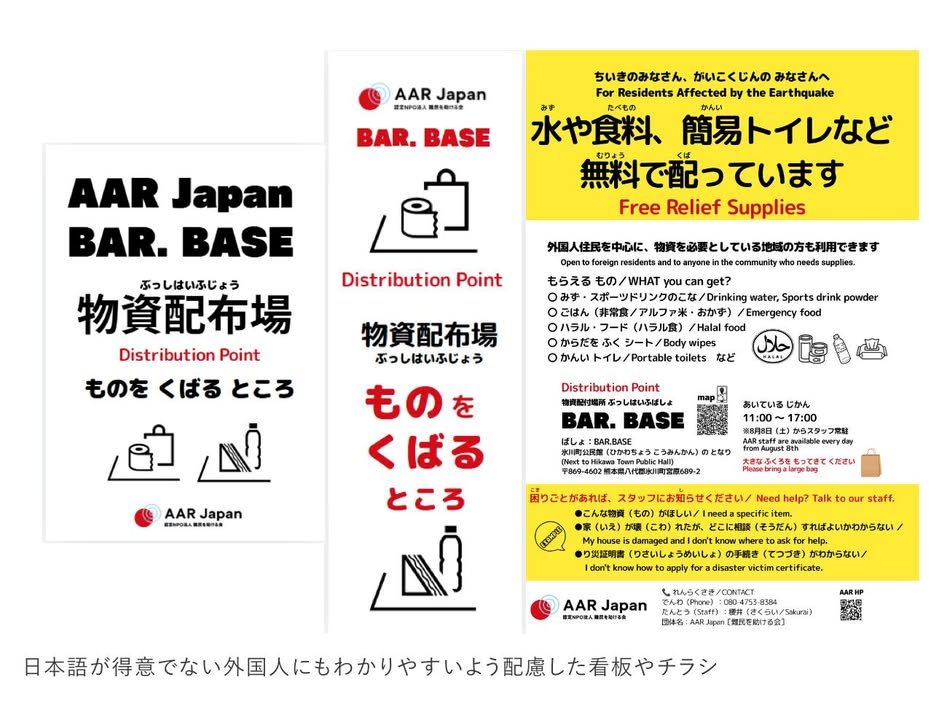
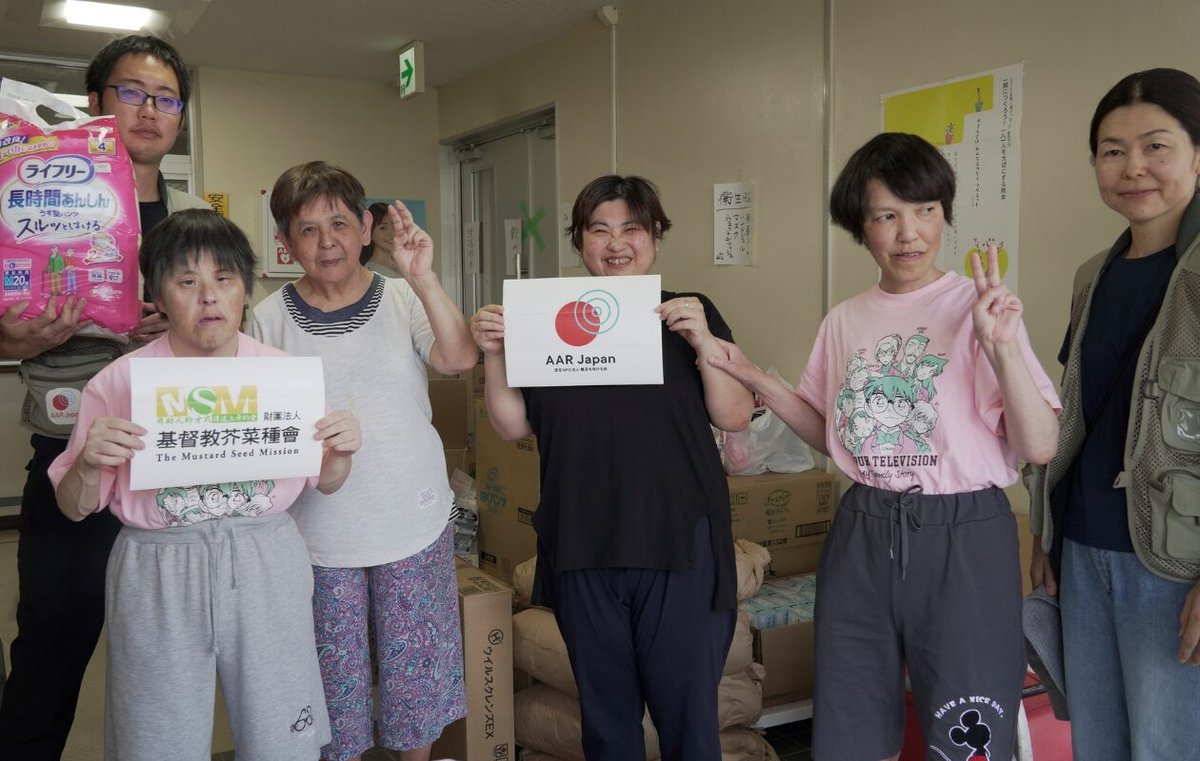
Kirk here. This translation of a Japanese article by AAR Japan [Association for Aid and Relief, Japan] describes two relief-supply distribution hubs intended especially to reach foreign residents in Hikawa Town and Yatsushiro City. The article makes clear that the supplies are not restricted to foreigners; nearby residents who need them can receive them as well. The effort to make the service accessible to the foreign community includes the use of simple Japanese and hiragana on signs and flyers, and, in Yatsushiro, the use of a Vietnamese restaurant and grocery store as a distribution point. --- begin ChatGPT translation --- Distribution Hubs Opened for Foreign Residents Affected by the Disaster: Emergency Assistance for the Kumamoto Earthquake August 10, 2026 AAR Japan [Association for Aid and Relief, Japan] has opened distribution hubs in Hikawa Town and Yatsushiro City, Kumamoto Prefecture, both of which suffered extensive damage in the Kumamoto earthquake, where foreign residents affected by the disaster can receive relief supplies and information. Drinking water, food, hygiene products, and other supplies are being distributed free of charge. Supplies are also being provided to nearby residents who need them. [Filipino residents receiving relief supplies in Yatsushiro City on August 9] Assistance and Information Remain Difficult to Access People from a wide range of countries, including Vietnam, Myanmar, Indonesia, and Nepal, live in the disaster-affected areas. Many work in Japan under the Technical Intern Training Program or with Specified Skilled Worker status. As residents continue to endure difficult living conditions, including water outages, foreign residents in particular are still having difficulty obtaining assistance and information. Since the earthquake, AAR has received reports such as, "Foreign residents are pooling their own money and buying supplies themselves," and "There are international students who say they are too frightened to sleep." While searching for a base from which to distribute relief supplies, AAR received an offer of help from BAR.BASE, a bar in Miyahara, Hikawa Town. Located along one of the town's main roads, it has a parking lot as well as space for storing supplies. Because the bar normally opens after 9:00 p.m., its owners generously told AAR, "Until the water supply is restored, please feel free to use it during the daytime." [AAR's Mitsuru Namatame coordinating relief activities with Tuan, left, of the Vietnamese restaurant San Pham Viet Yatsushiro] AAR has also received assistance from San Pham Viet Yatsushiro, a Vietnamese restaurant in Yatsushiro City. The restaurant itself is closed because of the water outage, but the adjoining Vietnamese grocery store remains open. During business hours, the store and an adjacent warehouse are being made available for the distribution and storage of relief supplies. Using Easy Japanese Since August 8, the two distribution hubs have been providing drinking water, powdered sports drinks, emergency food, including alpha rice and halal food, body wipes, portable toilets, and other supplies. AAR staff are stationed at the Hikawa Town hub and are also available to provide advice to people facing difficulties. [Signs and flyers designed to be easy to understand for foreign residents who are not proficient in Japanese] To make the information easier to understand for people who have difficulty reading and writing Japanese, AAR created signs and flyers written in hiragana, using phrases such as "ものを くばるところ" ("Place where supplies are distributed") and "おかねは いりません" ("No money is needed"). AAR is also working with the local Junior Chamber and the Kumamoto Support Center for Foreign Residents to spread information about the distribution hubs. Even now, AAR continues to receive requests every day in the disaster-affected areas for relief supplies and advice on rebuilding people's lives. While listening to concerns such as "I don't know how to apply for a disaster victim certificate," AAR will continue its activities so that assistance reaches everyone affected by the disaster, including foreign residents. AAR asks for your support for its emergency relief efforts following the Kumamoto earthquake. --- end translation --- Here is access information for the two distribution points mentioned in the article. Hikawa Town: BAR.BASE 689-2 Miyahara, Hikawa-machi, Yatsushiro-gun, Kumamoto 869-4602 熊本県八代郡氷川町宮原689-2 Entering "BAR.BASE Hikawa" or the Japanese address "熊本県八代郡氷川町宮原689-2" into Google Maps or another map service should show the location. The AAR article says that BAR.BASE is being used for relief activities during the daytime while the water outage continues, but it does not give specific opening and closing times. AAR staff are stationed there to distribute supplies and respond to questions and requests for assistance. BAR.BASE's listed telephone number is 070-7793-5486. This is the bar's own telephone number; AAR does not identify it as a relief-information hotline. Yatsushiro City: San Pham Viet Yatsushiro 5-9 Tanaka Nishimachi, Yatsushiro, Kumamoto 866-0876 熊本県八代市田中西町5-9 The location is in Tanaka Nishimachi, on the northwestern side of central Yatsushiro. Entering "San Pham Viet Yatsushiro" or "熊本県八代市田中西町5-9" into Google Maps or another map service should show the location. According to the AAR article, the Vietnamese restaurant itself is closed because of the water outage, but the adjoining Vietnamese grocery store remains open. Relief supplies are being distributed there during the grocery store's business hours, and the store and an adjacent warehouse are also being used to store supplies. https://aarjapan.gr.jp/report/22634/
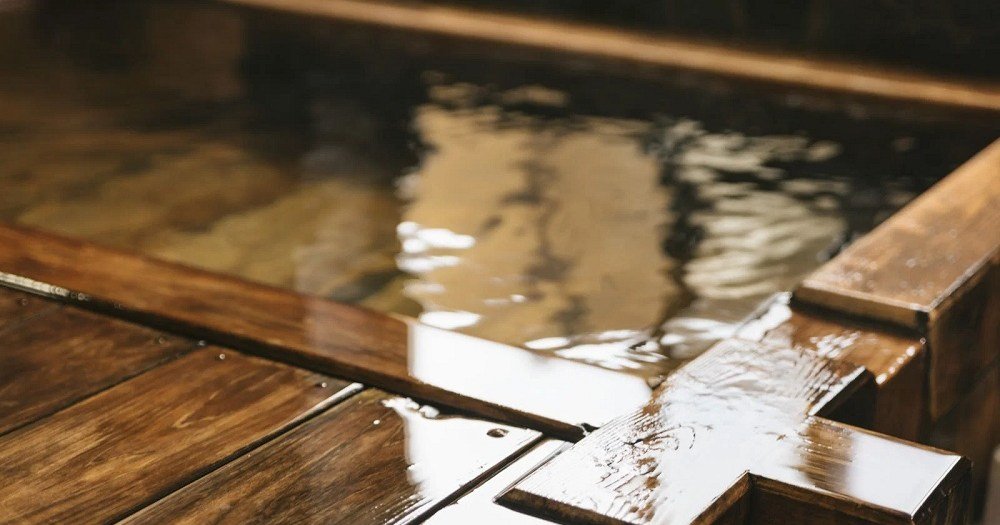
Here's a pretty amazing story about an izakaya in downtown Kumamoto, not too far from Tsuruya Department Store. In the short-term being flooded with hot onsen water as a result of the quakes is terrible for the establishment. If would be cool, though, if this could eventually work out well for both the owners and hot spring fans in the area. -- Kirk Kumamoto earthquake may have created Japan’s newest hot spring inside flooded restaurant [Video] Kumamoto City izakaya began flooding with hot, sulfur-smelling water immediately after quake.
Sharing a Safe Summer in Kumamoto. Although the weather was not great this weekend because of the approaching typhoon, I went with my family to Onikizaki Beach in Amakusa. As many of you know, the earthquake damage in southern Kumamoto has been severe. At the same time, I've heard that even in areas with little or no damage, many hotels, restaurants, and tourist facilities have suffered from a large number of cancellations during the summer holiday season. There was another earthquake yesterday, but we didn't feel any shaking where we were. Instead, my family and I enjoyed a relaxing seaside camping trip. Mogushi Beach is beautiful, but Onikizaki Beach was amazing as well. We saw many colorful fish with bright red, blue, and yellow stripes swimming in the clear water. The beach house rents life jackets (¥300) and snorkeling gear (¥500), making it easy for families to enjoy the ocean safely. The photos aren't very good because it was cloudy and I took them with an old smartphone sealed in a 100-yen-store waterproof plastic bag, but the water and the fish were truly beautiful. There are many ways to support Kumamoto's recovery. I hope people will get accurate information, make safe choices, and continue to enjoy what Kumamoto has to offer. Small risks, big adventures. Stay safe and explore boldly. Let's support local shops, restaurants, hotels, and communities while enjoying all that Kumamoto has to offer https://share.google/LklKmooT1NOakRqzx https://share.google/ugzHVkUlJ8huXV8X3 Atsuko (*•̀ㅂ•́)و✧
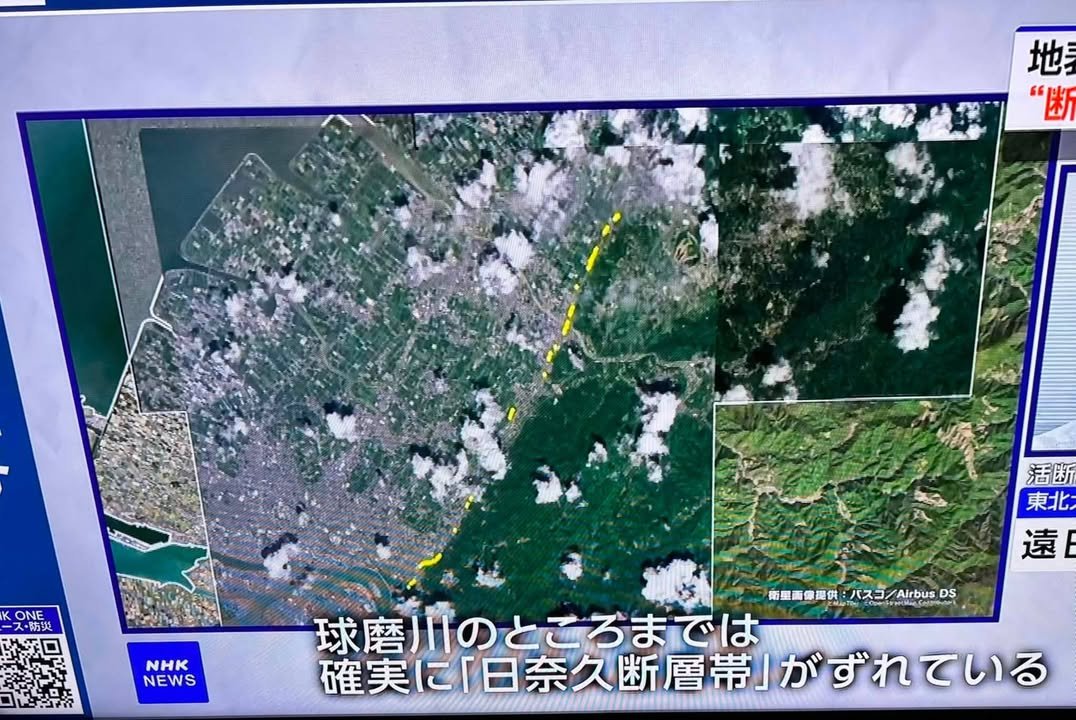
Here's a good photo of the Hinagu Fault, the cause of much of Kumamoto's seismic troubles.
Please excuse this crazy stock image (why would a lawyer have a gavel on his desk?) but I thought I should have a visual cue to indicate what this post is about. I got this inquiry: --- start quote --- I have a friend that used to live here and now only comes back in summers to visit his son. His wife asked him for a divorce just before coming this time. He just asked me if there are any lawyers that he could consult with here that speak English and deal with family law. I seem to remember years ago a post about this but maybe it was on another page. --- end quote It was on this page (at least, relevant information has been exchanged here in the past). I used my new kumamoto.kirkmasden.com search function to find these: https://www.facebook.com/1379708514190936/posts/797851839043276 https://www.facebook.com/1379708514190936/posts/2712047518868663 If any of you have any good leads or recommendations, please share what you know in a comment. -- Kirk
The article indicates that you need register in advance. My impression is that it may be difficult to register and work as a volunteer unless you understand Japanese but, if you're willing and able, you can search for "volunteer" at kumamoto.kirkmasden.com (be sure to sort by "Newest first") to find some posts I made about how to register. -- Kirk https://japantoday.com/category/national/over-1-200-disaster-relief-volunteers-enter-quake-hit-kumamoto Over 1,200 disaster relief volunteers enter quake-hit Kumamoto Over 1,200 disaster relief volunteers have entered quake-hit Kumamoto Prefecture since municipalities started accepting them this month. Disaster volunteer centers have been set up in 11 municipalities in the southwestern Japan prefecture based on local requests, and 10 of them had begun dispatching...
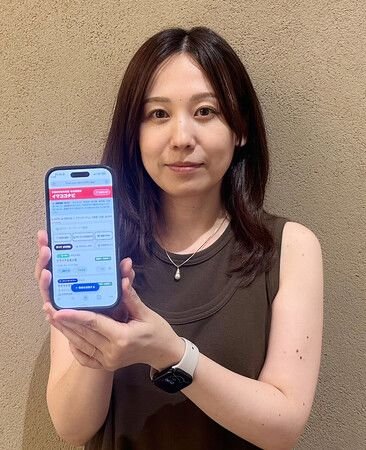
Yesterday I posted about an archive I built for Kumamoto International with the help of AI (Claude and Claude Code). I did that on my computer. It's hard for me to imagine doing something similar on a phone, which seems to be the case with https://imacoco-navi.netlify.app/ The site that is described in the article is one that Atsuko first introduced and that I reintroduced here: https://www.facebook.com/1379708514190936/posts/1471434965018290 -- Kirk https://www.nippon.com/en/news/yjj2026080800071/ P.S. Being a geek, I was curious to know more about how this site was built. I got some help from ChatGPT and learned this: --- ChatGPT's take --- Imacoco Navi appears to be a good example of how several newer tools can make very rapid website development possible. Misato Kaetsu reportedly used Claude on her smartphone to describe the kind of information-sharing site she wanted, and Claude generated the necessary web files and helped her refine them. The site was then deployed through Netlify, a service that can put a website online very quickly without the developer having to configure a conventional web server. For the shared data, the site appears to use Google Firebase, including its Firestore database. That means Kaetsu did not have to build and operate her own database server or much of the usual back-end infrastructure. In effect, Claude could generate the interface and the code connecting it to ready-made cloud services, while Netlify and Firebase handled much of the underlying technical machinery. That helps make the claim that a useful working version could be created on a phone within a few hours quite plausible. --- end quote from ChatGPT Generative AI Aiding Quake Relief in Kumamoto Kumamoto, Aug. 8 (Jiji Press)--Generative artificial intelligence is increasingly utilized to assist relief ef…
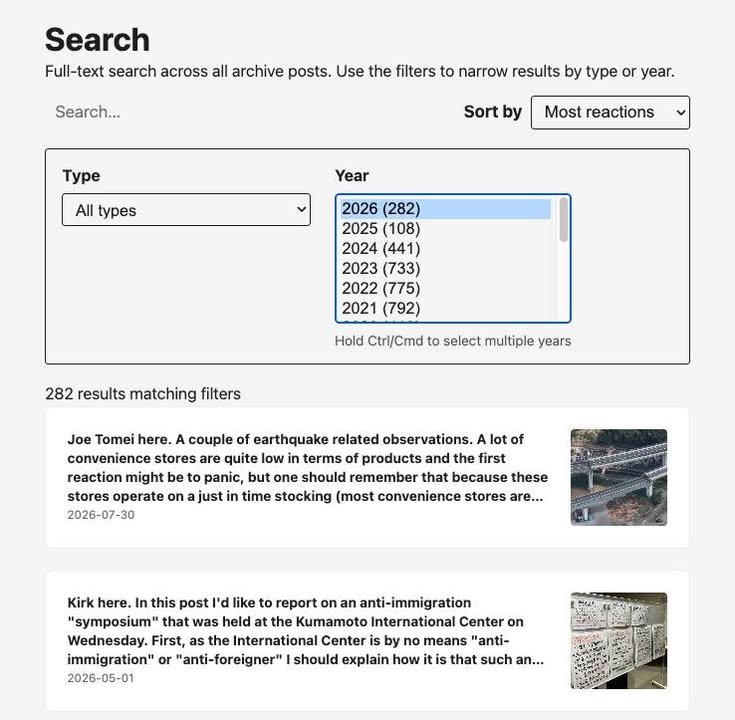
Introducing . . . drum roll please . . . the Kumamoto International Archive . . . tada!!! https://kumamoto.kirkmasden.com/ It has search capabilities that FAR outclass anything that Facebook offers (all modesty aside). All of the over 7,600 posts can be easily searched with keywords and/or other criteria. The two searches I'm showing do not use keywords (though they could be added); the first searches for the posts made in 2026 that had the biggest reactions (Joe's post hit the ball out of the park in that category) and the second searches for posts made in 2016 that were shared the most (the standout there is a post by Sara about where one can get food and water that she posted after the 2016 quake). Part of my motivation for doing this is to try to work free (to some extent, at least) of the limitations of the Facebook platform. In 2016, lots of young people participated but since then, though our "likes" and followers have grown, young people have largely left; when I tell foreign students at my university about Kumamoto International they shrug and say "I don't use Facebook." I'm planning to add an email delivery option to this archive so that people who want daily updates via email can sign up directly on the website to get them. Complete freedom from Facebook!! I post a lot of links to news articles, which the Facebook algorithm penalizes. The initial idea I had almost 30 years ago was to collate useful information. A fair amount of information about Kumamoto is available in English on the web but it's spread all over the internet. I still believe that organizing information about Kumamoto is a valuable enterprise but, sadly, Facebook doesn't care to support such activities; I can still post but most of the posts languish with very few readers. At any rate, this is my first formal announcement of the launch of this website. I plan to improve it over the coming years but, if you check it out, I think you'll find that it's already pretty good. Take care! -- Kirk
The needs of the disabled is an important issue in this earthquake as it was in 2016. Here's a report from the AAR Japan (Association for Aid and Relief, Japan) about a facility in Uki. There are also asking for financial support. "Kumamoto Cosmos-en in Uki City, Kumamoto Prefecture, is a support facility for people with disabilities that provides employment support and group-home living assistance, serving around 70 users. The facility suffered major damage from the earthquake, including partial destruction of its buildings. When AAR’s emergency team visited two days after the earthquake, more than ten people were sleeping side by side on the floor of a single space. " -- Kirk Support Tailored to the Needs of People with Disabilities and the Elderly: Emergency Response to the Kumamoto Earthquake | News / Report | AAR Japan | Association for Aid and Relief, Japan In areas affected by the Kumamoto earthquake, the impact on people who require special consideration is becoming increasingly severe—including the death of an elderly person, suspected to be from h...
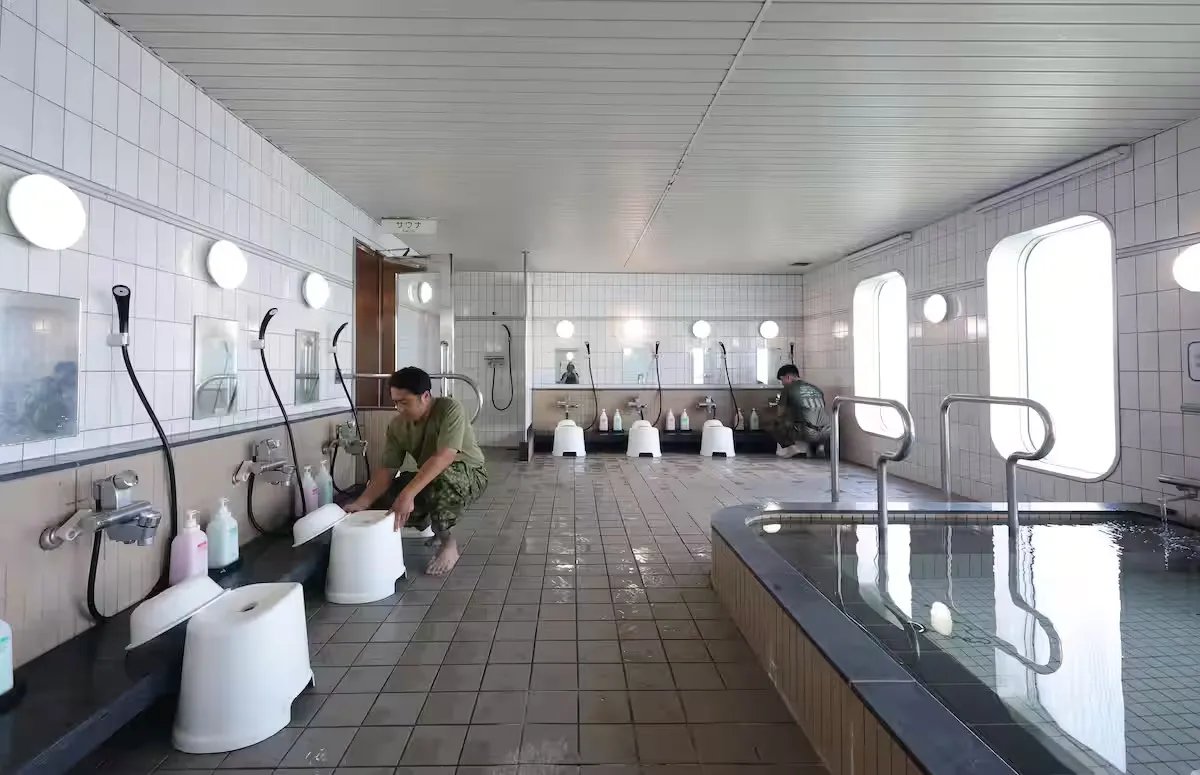
I think this use of a ferry is pretty cool. I assume that most short-distance ferries don't have bathing facilities. Many decades ago, however, I took a ferry from Tokyo to Okinawa. I wasn't able to bathe on board at the time but perhaps such long-distance ferries now allow you to freshen up onboard. -- Kirk Defense Ministry-Chartered Ferry Offers Baths and Medical Care in Kumamoto | JAPAN Forward The ferry is supporting residents affected by the July 28 earthquake, as water outages continue across the disaster-hit area.
I think this is a very thoughtful article about what seems to be working this time around and what isn't (or needs more attention). Objective comparisons with 2016 are difficult, particularly at this early stage, but I think the article does a good job of identifying issues that deserve attention. The issues include the following: • Keeping roads open and getting rescue workers, volunteers, and supplies where they are needed • Restoring basic infrastructure and daily necessities, especially water, electricity, fuel, and sanitation • Improving conditions in evacuation centers and reducing disaster-related deaths during the aftermath • Reaching older people and people with disabilities, care-home residents, and others who may fall outside ordinary relief systems • Preparing for the long recovery period, including housing damage, liquefaction, and the needs that persist after public attention fades -- Kirk What Kumamoto revealed about Japan’s earthquake readiness Roads stayed fairly clear after the quake. Water, care and daily life proved much harder to restore.
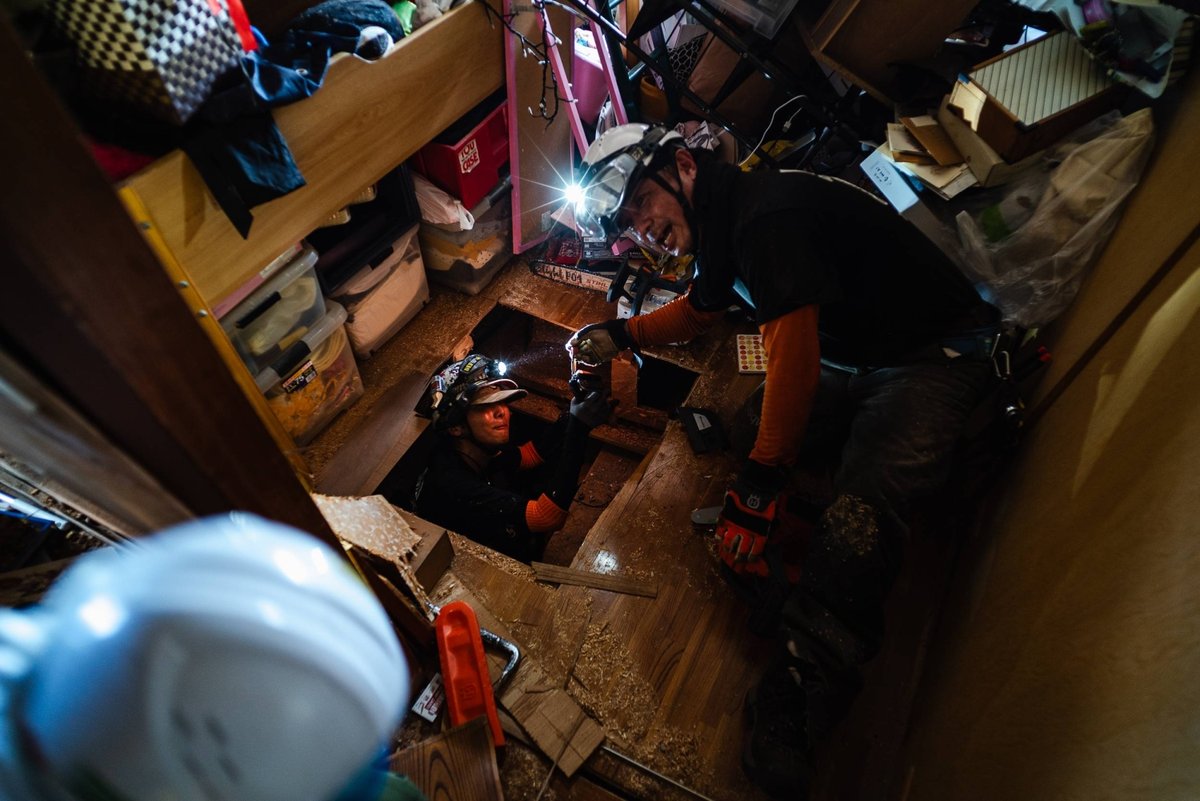
There's been a lot of criticism on the net about the media reports about the Vietnamese young people who were involved in the rescue of an elderly Japanese woman. As this article (translated from Japanese) says, "many news reports explicitly stated that the Vietnamese workers had carried out the rescue in cooperation with local residents." So, it would seem that both Vietnamese and Japanese people were involved in the rescue but I don't know exactly what the individual roles were, who took what initiative, etc. What is remarkable to me is how upset so many people are at the POSSIBILITY (or the allegation) that too much credit was given to the Vietnamese guys. When, conversely, media outlets present news in ways that give the impression that foreigners are more likely to commit crimes (a claim that CANNOT be adequately supported with current statistics), the same concern about media accuracy doesn't well up. I can only conclude that a significant number of people feel threatened by the idea that foreigners are actually good people. By the way, the comments to this post may be more instructive about the current state of Japanese discourse than the article itself. I'm not posting the comments but, sadly, they are almost all critical of how the media portrayed the Vietnamese young people. As someone who knows that media coverage often distorts in one way or another, I don't feel any urge to claim that coverage has been flawless. But, what I would ask those who are complaining about the Vietnamese guys getting too much credit is "Why the hell does slightly too much credit for some Vietnamese young people concern you so much?" -- Kirk --- ChatGPT translation of article --- Social Media Posts Call Reports That “Five Vietnamese Rescued an Elderly Woman” in Kumamoto Earthquake “Lies” — Could This Constitute Defamation? [Lawyer Explains] August 7, 10:20 a.m. Bengoshi JP News The Vietnamese people who rescued the woman are said to work on a broccoli farm. Photo is for illustrative purposes. Immediately after the Kumamoto earthquake, five young Vietnamese men and women living nearby worked together with local residents to remove lumber and debris in order to rescue an elderly woman trapped beneath a collapsed house. After about 30 minutes of rescue work, they succeeded in getting her out safely. Junchō Suzukida, company president: > “It is regrettable that it has been made to seem as though three of our employees never risked their lives taking part in the rescue at the scene.” While the incident was widely reported both in Japan and overseas as a “brave rescue,” discussion spread on social media claiming that rescue efforts by Japanese people had not received sufficient media coverage. There have also been numerous categorical posts claiming that “the Vietnamese did not actually rescue anyone” and that “the media are lying.” If such posts are contrary to the facts, could they constitute defamation of the Vietnamese people involved or of the news organizations that reported the story, potentially exposing those who posted them to legal liability? We asked a lawyer. Reported by Media in Japan and Overseas The rescue of an elderly woman from a collapsed house in Yatsushiro following the Kumamoto earthquake on July 28 was reported on July 30 by TBS and other outlets, and on July 31 by major Japanese media organizations including Nippon TV and NHK, under headlines such as “Five Vietnamese Workers Rescue 90-Year-Old Woman.” Vietnamese media had also reported the incident by July 30. According to the reports, the rescued woman and the Vietnamese workers knew one another and would see and greet each other almost every day. It should also be noted that from the outset, many news reports explicitly stated that the Vietnamese workers had carried out the rescue in cooperation with local residents. On July 31, however, Junchō Suzukida, president of the Kumamoto Prefecture company Jinrikiya, responded to the reports on his X account, writing: > “It is regrettable that it has been made to seem as though three of our employees never risked their lives taking part in the rescue at the scene.” He later added: > “I ask the media to report the story fairly.” Then, on August 1, the Sankei Shimbun reported a separate case in which a 19-year-old Japanese man had saved the lives of two elderly people trapped beneath a collapsed house. This prompted debate on social media, with comments such as: > “Haven’t the major media been reporting only the achievements of foreigners while failing to adequately report what Japanese people have done?” Could Posts Flatly Declaring the Story “A Lie” Be Illegal? A look at X shows numerous posts flatly asserting things such as: > “The Vietnamese did nothing.” and: > “All they did was film the rescue and sell the footage to a television crew; it was actually Japanese people who carried out the rescue.” If such claims are factually false and lower the social standing or reputation of identifiable individuals, there is a possibility that they could be unlawful as defamation. There are also many posts criticizing the news organizations that covered the incident, specifically naming television companies and claiming things such as: > “They praised the Vietnamese even though they had to lie to do it.” and: > “This was fabricated reporting.” We asked attorney Sugiyama, who specializes in criminal law, about these posts. He said that, in light of the facts that have been reported, both claims that “the Vietnamese did not participate in the rescue” and claims that “the news organizations fabricated the story” are contrary to the facts. However, he explained that this does not necessarily mean that every such post is illegal. > “First, for defamation to be established, there must be a lowering of the social reputation of a specific individual, rather than simply of a group or collective. Therefore, taking the various news reports and other information into account, it would have to be possible to identify the individual concerned within a certain degree of specificity from the post. > > “The news organizations were not lying. However, if information about all of the people involved in the rescue was not adequately communicated, then I think that could provide grounds for criticizing the coverage as ‘not being fully accurate.’ > > “On the other hand, among the posts attacking the news organizations, there do appear to be some that could be regarded as abusive or defamatory statements containing false information. Still, news organizations ordinarily do not pursue legal liability over social media posts of this kind, and in many cases I think it would be difficult to say definitively that they are legally unlawful.” Regarding this case, attorney Sugiyama pointed out: > “During disasters, false rumors involving foreigners tend to spread easily.” He continued: > “One aspect of this case is that discussion arose after information was posted on social media concerning circumstances at the scene that had not been fully conveyed in the initial reporting. > > “This is different from malicious disinformation based on premises that are entirely nonexistent. Rather than being a situation in which the law needs to intervene in order to stop it, I think this is something that should generally be left to public discussion and journalism.” —Attorney Sugiyama https://news.yahoo.co.jp/articles/a78f215dc788152b70a93c9f98503d8faddc7636
I wish that reports such as these would provide information on how to donate. I've share a little on the page but I've noticed that news reports like these don't tell you how to help. -- Kirk Donations to Quake-Hit Kumamoto Reach 4.3 B. Yen Kumamoto, Aug. 7 (Jiji Press)--The prefectural government of Kumamoto, southwestern Japan, has said that monet…