Kirk here with a ChatGPT translation of part of this Japanese article (the rest is behind a paywall):
--- start translation ---
Growing Number of Foreigners in an Aging Town: Challenges of Coexistence Between the Elderly and Young Foreigners
Society
Breaking News
Mainichi Shimbun, October 25, 2023, 08:00 (Last updated 10/25 08:00) Paid article 2134 words.
Caption: Mr. Matsushita Susumu (left) greets foreigners on their way to work = Taken at Nagasu Town, Kumamoto Prefecture on July 20, 2023, at 8:18 a.m. by Miyagawa Sachiko.
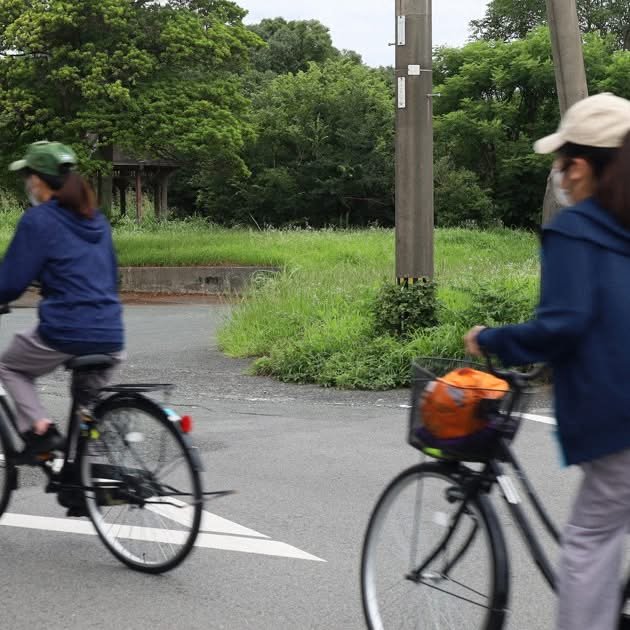
On a single road leading to the industrial zone, foreigners ride bicycles. They line up neatly in a row, and cars pass them by. In Nagasu Town, Kumamoto Prefecture, this is a familiar morning commute scene. The number of foreigners living in this town has increased 20-fold compared to 20 years ago. In this "aging town" where one in three people is over 65 years old, elderly Japanese and young foreigners live side by side. Our reporter walked the scene, which hints at Japan's future as it pushes for more acceptance of foreigners.
"Good morning." One morning in mid-July, a foreign woman commuting by bicycle bowed her head and greeted Mr. Matsushita Susumu (84), a local community association officer living nearby.
Nagasu Town, close to the Fukuoka Prefecture border, faces the Ariake Sea and is home to many shipyards and window frame factories. While there is little foot traffic during the day, in the early mornings and evenings, the sight of foreigners traveling between the industrial zone and residential areas on bicycles is conspicuous. Bicycles with plates reading "Vietnamese Trainees" were also spotted.
The town's population peaked at 18,627 in 1998 and has since decreased to 15,504. The aging rate, which indicates the percentage of those aged 65 and over, is 36.6%, surpassing the national average of 29%.
On the other hand, the number of foreigners living in the town was 36 twenty years ago. As of September this year, it has risen to 749, meaning about one in every 20 residents is a foreigner.
By country of origin, Vietnamese make up half, followed by Filipinos. They work in shipyards and window frame factories, supporting the town's industries and compensating for the declining Japanese population. In local supermarkets, imported food and seasonings are available, and there were signs written in Vietnamese.
--- end translation ---