William Why camellia (椿 - tsubaki, literally, "spring tree" and also a common family name) bloom at this time of year when pollenating insects are hibernating was a mystery to me 'til I learned that they're pollenated by birds. That explains their splayed-open appearance and commodious pollen and nectar.
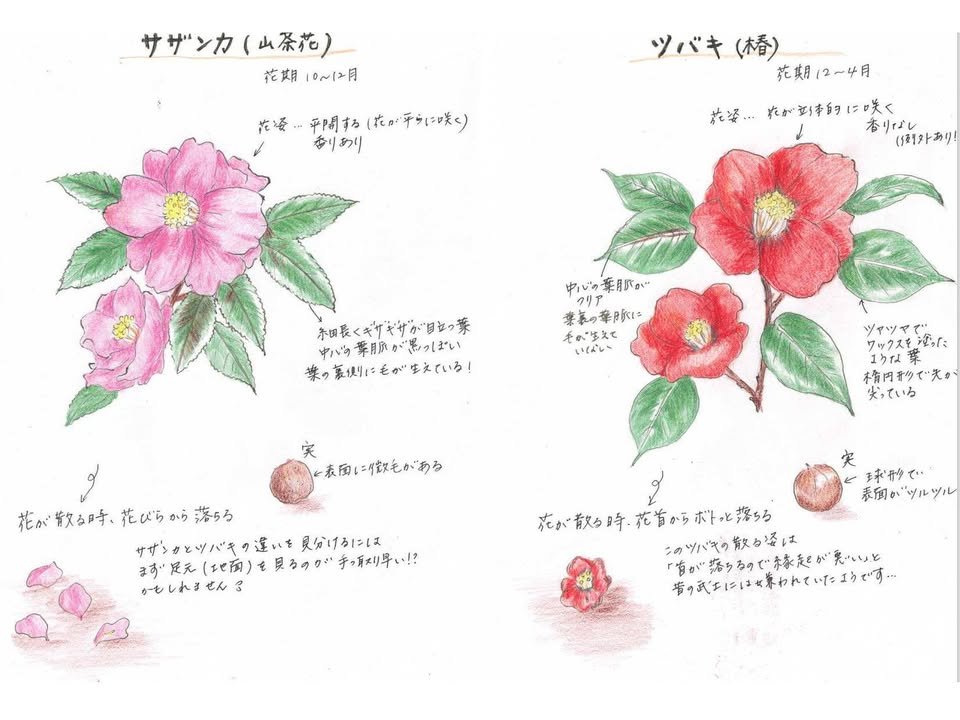
A similar blossom is the sazanka (山茶花, known by that name in English), whose kanji - "mountain tea flower" - reveals that they are relatives of tea. Even today, some still steep dried camellia or sazanka leaves in hot water for a type of poor-man's tea.
Asahi has an illuminating article on the two. One point new to me: The sazanka tends to drop its petals one by one, while tsubaki flowers come off whole; thus, "some people in the past were said to disdain the flower because the manner in which the blossoms dropped to the ground reminded them of decapitations by feudal samurai warriors." Eww.
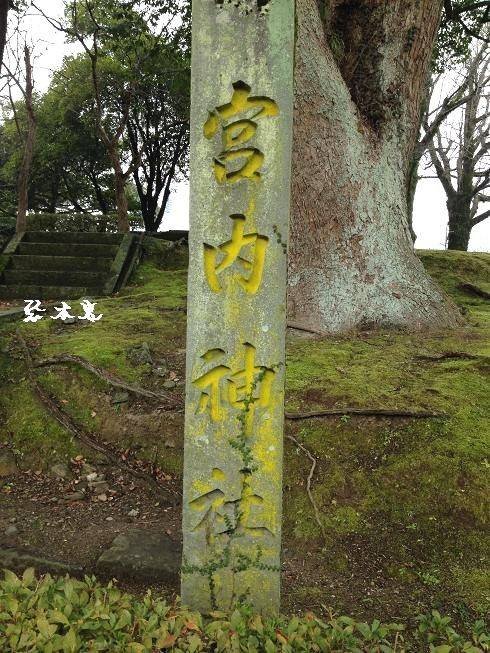
After being pummeled by Satsuma cannons in the Seinan War, the "maru" of the castle were left empty - the most famous being Ninomaru. A staircase from there, to the left of the museum, leads to a footbridge crossing to the stadium. At the foot of the bridge on the left is a small maru once occupied by a shrine (宮内神社、みやうちじんじゃ) which has been converted to a bird sanctuary, designed with trees to feed birds year-round. That it is filled with a contemplative (or eerie) silence is that no one visits. It is a marvelous place to view tsubaki and sazanka and ponder in solitude, and now is the time.
https://www.asahi.com/ajw/articles/13039293
Info about the park:
http://tinyurl.com/262esk9c