Posts
Hi everyone, joe tomei here. There's an event tomorrow that may be of interest at the Goshi Manga Museum. The first part is a talk from Hiroyuki Suzuki on 50 years of Ge Ge Ge Kitaro, an anime (2-3:30 pm) and the second part is a talk from Patrick Iijima-Washburn about the manga BILLY BAT by famed manga creator Naoki Urusawa (3:30-5 pm)
https://www.facebook.com/events/658191357916169/
Our friend Evan James Gowan pointed out a German-style Christmas market held at the pop-up center at Hanabata Hiroba, the square across Densha Dori from Shinshigai. Your intrepid correspondent tracked it down (albeit from the comfort of his own desk) and found a list of Christmas-related events to be held there in December. The site is in Japanese, but you can see the photos and figure out the dates. メリークリスマス, and tip o' the hat to Evan-san! - William
https://kumamoto-guide.jp/hanabata/

Joe Tomei here, on the yahoo mailing list, this job ad appeared, if you are interested, please contact using the mail below
=======
Apple Bee International School is currently accepting resumes from experienced English teachers interested in part-time positions.
Established in 2007, Apple Bee continues to focus on a challenging, hands-on approach to learning. Children cover topics and engage in activities that allow them to explore and understand their world in an atmosphere that promotes curiosity, creativity and confidence. Classes are mixed-age and have an ideal student-to-teacher ratio, which allows the teaching staff to work closely with each child.
To learn more about employment at Apple Bee International School or to request an interview, please send your resume by e-mail ([email protected]) or give us a call at 096-311-7117. Please ask for Maeda.
Thank you very much,
Maeda
Apple Bee International School
TEL/FAX: 096-311-7117
Apple Bee International School
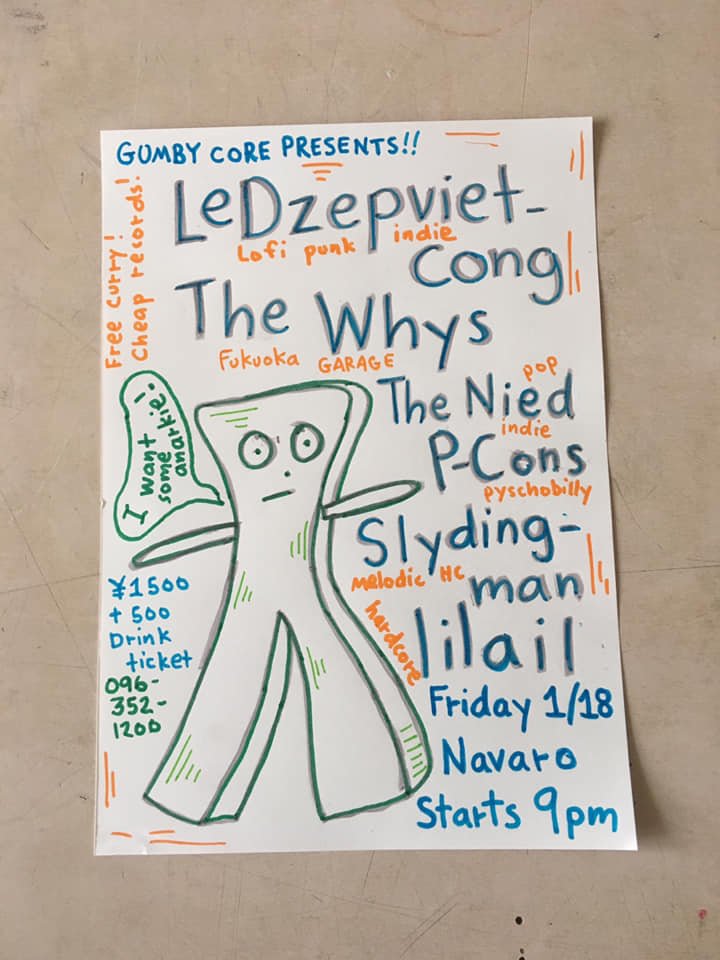
If you want to see some good DIY tunnage then head out to this event. It’s a mixture of genres from the awesome garage surf of Fukuoka’s The Whys,Indie POP Punk of The Nied,Kitakyushu’s melodic hardcore Slydingman with some crossover hardcore of Kumamoto’s lillail and finally topping off the bill my sloppy Lofi effort.January 18th (9pm)at Navaro which is close to the Kamitoricho shopping area. Gumby core presents will be looking for other local bands,artists to do events once or twice a month.Let’s get creative Kumamoto. Whoops! I forgot to add the amazing pyschobilly antics of Kumamoto`s own P-Cons!!!
A note from the KI Difficult Stuff We're Glad We Don't Have to Decide by Ourselves Desk (merged with the Laziness Desk due to budget cuts): Japanese treatment of those suspected of a crime but not yet charged nor under trial has received much attention as former Nissan Chairman Carlos Ghosn is investigated for alleged financial irregularities.
Japanese law sets detention limits for a suspect of 23 days. However, authorities can add further charges with fresh warrants, meaning a person can be detained indefinitely if a court approves it, which they usually do, so prosecutors string out charges one by one. This means that most arrested in Japan are incarcerated until their trial (a period during which stress has likely led to a guilty plea).
Kumanichi reports that Kumamoto has in the past few years quite diverged from national trends as local courts are more willing to allow those under charge to be released from detention while awaiting trial. The article notes that this trend has not been without harm - some released have committed further crimes while awaiting trial. The counter argument is how many innocent languish in jail while awaiting trial (and, this being Japan, is invariably a long time).
This article contains much interesting vocabulary, so fire up your Google Translate and Weblio. The blue line on the graph represents an all-Japan average of those released from jail while under investigation, and the yellow that of Kumamoto. And, as much as we all hate the uber-rich, give a thought to Gohsn. What if he's innocent? - William
容疑者の勾留却下率、初の1割超え 熊本県内の裁判所、全国で突出 - 熊本日日新聞 | This kiji is
警察や検察が逮捕した容疑者を取り調べるため、検察が容疑者の身柄を拘束するよう裁判所に求める「勾留請求」を、熊本県内の裁判所が認めなかった「却下率」が2017年の1年間で10・67%と、全国平均の4・...

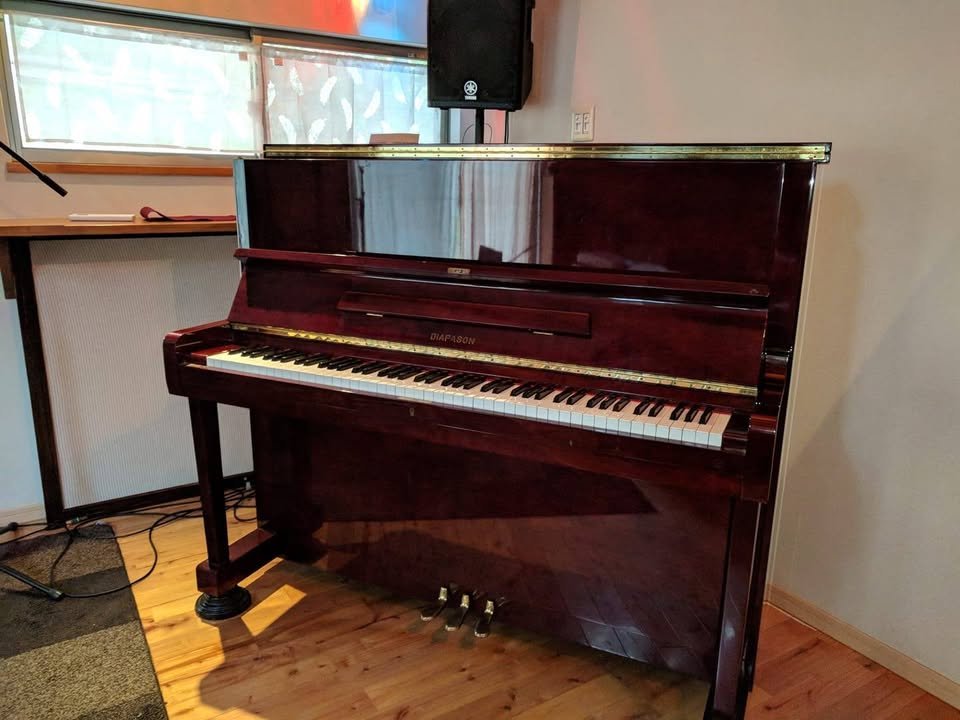
A reminder about the collaboration concert of several Kumamoto musicians, "Concert in the Woods", to be held near the home of our friend, Jeff Cairns, near the entrance to the Kimpozan hiking trail, on Saturday, 12/8. A collaborating organizer, Richard Gilbert, posted recently of a donated piano. I'll コピペ his post below:
"Ahead of our upcoming Concert in the Woods (December 8), we were propitiously (and gratefully) donated a 38-year-old Kawai Diapason upright, through a lengthy search by Jeff Cairns (many pianos were destroyed, sold or given away after the Kumamoto earthquakes a couple of years ago). "Dia" has now been lovingly and expertly maintained and tuned by Furusyo Syoryu, and will be played by Keiko Shiga in our first live and recorded event. There is a feeling of our piano as a living being. In the event, the Greek goddess *Dia* ("heavenly," "divine," "the heavenly one") seems suitable. Our thanks to all involved in making this happen. Our Dia lives."
The weather is forecast to be cool but clear. If you do not have a car, quickly make friends with someone who does. This is not to be missed. - William
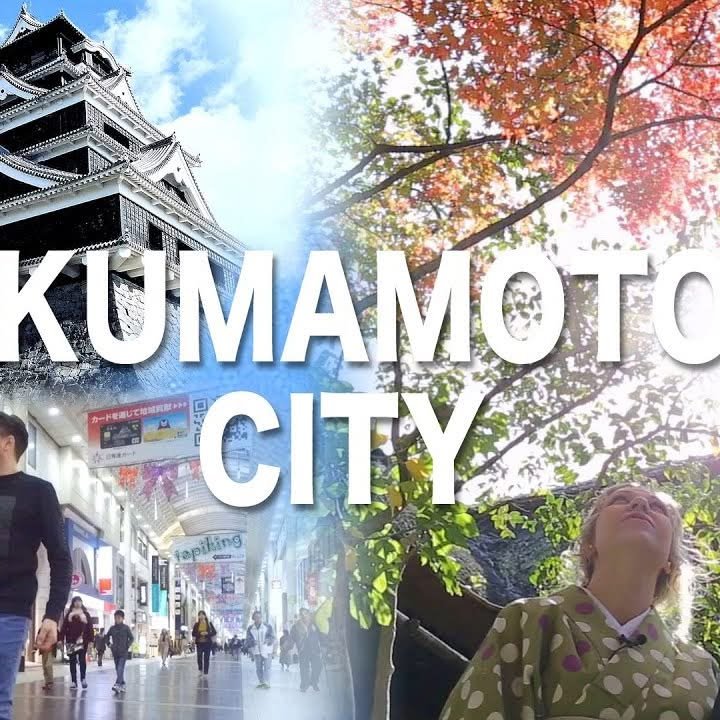
Earlier today I was looking at some TV shows I had recorded and saw a report about Chris Broad, a popular vlogger, coming to Kumamoto. As far as I can see, his video about Kumamoto hasn't been uploaded yet but I found his YouTube site (Abroad in Japan), which has over a million (!!!) subscribers:
https://www.youtube.com/user/cmbroad44/videos
While I was looking for Mr. Broad's video about Kumamoto I came across this:
https://www.youtube.com/watch?v=4JjjfsicBvY
This video by Feel Fukuoka Japan hasn't had a million views but it's had over 100,000, which is pretty darn good.
If I ever find the Chris Broad video about Kumamoto, I'll try to post about it. Or, if any of you happen across it before I find it, I'd appreciate it if you'd post about it here.
-- Kirk
Trip to Kumamoto in Japan
Kumamoto City, situated roughly in the center of Kumamoto Prefecture, is the government and economic center of the prefecture. It has a population of over 73...
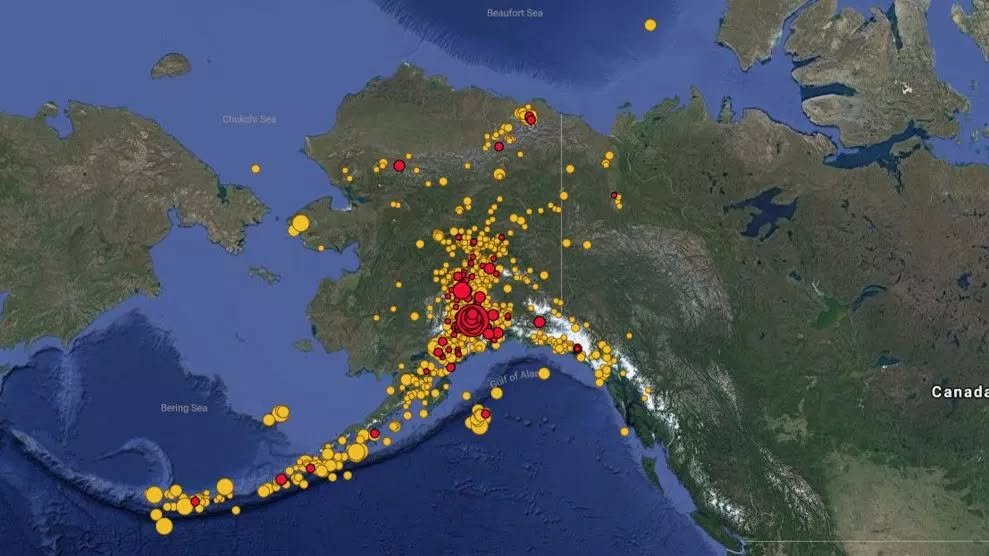
Anchorage, Alaska saw quakes similar to Kumamoto's this morning except reversed - a M7 followed by a M6.5. From the photos, I realized how lucky we were in comparison: look at that snow! This poor guy will require some time to recover his car. Our thoughts go out to them - William
Here's a bit of news (with a video in Japanese) about the activities of the Kumamoto Jikei Hospital, which is known internationally for the "baby hatch" it has established to save the lives of babies that might otherwise be abandoned by their mothers. First of all, if you are unfamiliar with what the people at Jikei Hospital have been doing, here's a link to a set of Japan Times articles to help you catch up.
https://www.japantimes.co.jp/tag/jikei-hospital/
Now, here's the news. A variety of Japanese media are reporting that an international association (The IABB --> International Association of Baby Boxes) has been established and that a web site ("HP") has been built for the association. Though nothing is said in the reports that I've seen about the site being multilingual, I thought that the site might have an English side that I could introduce on this page.
So, I searched, and searched, and . . . well, you get the idea . . . I came up more-or-less empty handed. I was able to find lots of web-based articles that introduce the new web page as their main story -- but NONE of them include a URL! The failure of Japanese news organizations to provide links -- even when the whole point of the news article is to introduce a web site -- never ceases to amaze me.
It was just last month when I had a similar problem finding the web site about tattoo-friendly onsen in Oita that was discussed in an NHK news report:
https://www.facebook.com/Kumamotoi/posts/2168270769913010
I was ultimately able to get the URL by sending an e-mall to the organization that was mentioned in the story.
Sigh . . .
-- Kirk
P.S. Here's a link to an NHK article about the new baby box website (which doesn't contain a link to it, of course):
https://www3.nhk.or.jp/lnews/kumamoto/20181121/5000003947.html
https://headlines.yahoo.co.jp/hl?a=20181129-00000005-rkkv-l43
ベビーボックス国際団体がHP開設(RKK熊本放送) - Yahoo!ニュース
親が育てられない赤ちゃんを預かる「ベビーボックス」いわゆる「赤ちゃんポスト」の国 - Yahoo!ニュース(RKK熊本放送)

When my kids were growing up, we were blessed with who we called "tonari no ojisan" (the old guy next door). My kids being bereft of grandparents in Japan, he fulfilled that roll to such an extent that I rigged a calling system between our houses so that he could just push a button and I'd be there to help. He became family.
He had a fascinating history. A whiz at mathematics, he was dispatched during the war to the commissary division, but eventually found himself outflanked by allied forces. He talked about how he had to survive on an island by eating insects while isolated as the war enveloped all north of him. (My kids are good at the abacus thanks to him.) He later became a guard for the emperor.
As part of that personality trait, he was a compulsive gambler, and I'd oft see him heading for the keirin (競輪、bicycle racing) bus. Along with pachinko and a few other exotic species, keirin is one of the myriad of ways Japanese can gamble.
Kumanichi reports that repairs to the Kumamoto velodrome, located in the Suizenji athletic park area, have commenced, but will cost ¥ 2.9 billion. That's about ¥ 2.8 billion more than I have. This includes shrinking the veledrome's stands to add more greenery and parking. This Kumanichi article gives details. Tonari no Ojichan always knew his gambling habit was problematic (when he won, he'd give us a melon, but that was rare). I think he would have approved of this. - William
熊本競輪場、再開は21年末以降 雨水処理が検討課題に - 熊本日日新聞 | This kiji is
熊本地震で被害を受けた熊本競輪場。2年が経過してもバンクにはひび割れが目立っていた=5月、熊本市中央区 熊本市は28日、熊本地震で被災した熊本競輪場(中央区水前寺)の事業再開が2021年12月以降にず...

New Years is fast approaching, and with it market festivals. Here are two that are musts.
Most are familiar with Kokai Shotengai. It began as a market for lower-class samurai in the Edo era (Kokai Bridge didn't exist then, but it was a "watariba" (渡場 - a location for poled ferries) connecting their lower-class housing with the higher-class east side of Shirakawa; it then thrived as a black market during the rationing period following WWII as a place where farmers could evade price controls by selling directly to the masses. The street maintains that scrappy atmosphere. Their festival will begin from 10:00 on Saturday, 12/1.
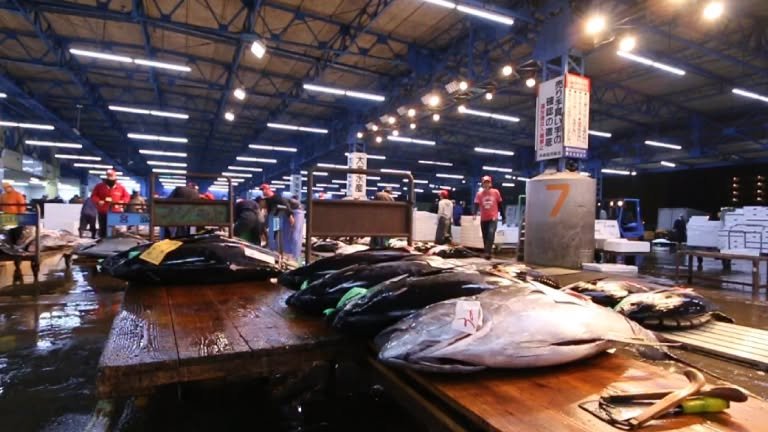
Tasaki Market (田崎市場, Tasaki Ichiba - photo below), the main market for produce and fish in Kumamoto, will hold their annual "Thanksgiving Fair" this Sunday, 12/2. As is usual with this market, it begins early, from 06:30, but will continue to the early afternoon (hint: be there at 06:30). If you've never visited this hidden gem, this is the time to do so. It's a rather lengthy but doable walk from the Tasaki terminus of the streetcar. Dress warmly. - William
Wow! There's a halal-certified food-processing facility in Amakusa! -- Kirk
Japanese firm tapping halal Japanese dishes in Singapore
Curetex Corp., a Japanese firm producing halal food at home, is using Singapore as a testbed to promote Japanese cuisine permissible under Islamic law as part of its efforts to expand sales of such food products in Japan and Southeast Asia.
Post traumatic stress disorder (PTSD) is something I'd always associated with military veterans and thus far removed from my life, but my response to the quakes has provided me an inkling as to the phenomenon. It is of course triggered by ground movement such as nearby construction that shakes the house. This morning, though, I noticed it could be triggered by mere sound: a vehicle producing sound in the same frequency as that preceding a large quake caused my arm hair to rise.
My response is subdued - I don't panic, my pulse rate doesn't rise, but I become instantly, intensely aware of my surroundings.
I'd like to hear similar stories from those who experienced the quakes. Please comment below. - William
This is not about Kumamoto but Takachiho is right on our border with Miyazaki. -- Kirk
Body found in river after 6 people killed at Miyazaki house:The Asahi Shimbun
TAKACHIHO, Miyazaki Prefecture--Police are investigating the deaths of seven people here as a possib

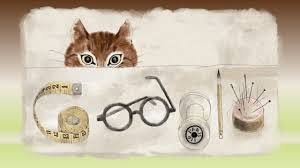
Today's Google Doodle caught my eye, so I checked it out. It was Fujita Tsuguharu (藤田 嗣治, ふじた つぐはる), apparently a famous painter who lived between 1886 and 1968. Particularly well-known for his paintings of cats and women, he spent 1913 - 1933 in Paris, enduring WWI there; a serious Francophile, he was naturalized French in 1955. He was also quite a funny-looking fellow.
The reason I mention this is, though he was born in Tokyo, he moved to Kumamoto with his family at age 7 and lived here for four years, attending Kumamoto University Fuzoku Elementary School. So there is a connection. His paintings are delightful; Google them. - William
Kumamoto's pop-up escape room is open again in December. You have one hour to solve the puzzles, break the codes and find all of the hidden treasures. Teams of 2-6 players must work together to escape before time runs out. Although there is some English reading involved, there are plenty of hints available along the way. So far, a Japanese family team and a team of English teachers share the lead, with a break-out time of 1 hour 3 minutes. No-one has managed to escape in under an hour...yet. There's a prize for the first team to do so!
The game costs 1000 yen per player (500 yen for elementary/junior high school students). There is a 20% discount available if you can send the answer to a puzzle with your booking. To make a reservation, check opening times or find out more information, please visit the ESCAPE FROM BRITZ Facebook page.
Fiona
Kumamoto Booklovers are still going strong, heading into our 15th year! This is what we'll be reading and talking about over our monthly dinners in 2019. New members are always welcome, just join the Kumamoto Booklovers Facebook group to keep up with what we're doing.
January City of Thieves, David Benoiff
February Reservoir 13, Jon McGregor
March Commonwealth, Ann Patchett
April In Cold Blood, Truman Capote
May The Last Samurai, Hellen DeWitt
June What it means when a man falls from the sky, Lesley Nneka Arimah
July Alias Grace, Margaret Atwood
September The Gangster We Are All Looking For, Lè Thi Diem Thúy
October My Year of Dirt and Water, Tracy Franz
November Clothes clothes clothes music music music boys boys boys, Viv Albertine
Fiona
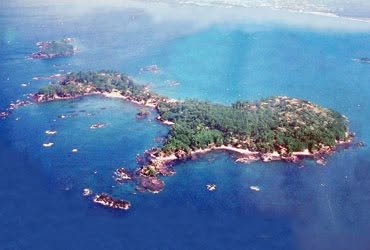
Kirk had asked me about the photo of deer on the beach in Akune, and I thought the response deserved a separate post. A 15-minute walk from the JR Orange Line station will bring you to Shin Akune Port, from which a 10-minute ferry ride, uh, ferries you to the uninhabited Akune Ooshima. It's a rather large island but lacks water - hence, the "uninhabited" part. The island has been selected in both "Top 100 Coastal Pine Trees" and "Top 100 Beaches" sections of list-crazy Japan, but it's also home to a large number of deer who say,"Hey, Hal, do you wanna eat grass, or shall we visit the tourists on the beach, who will feed us unhealthy snacks?"
One can guess how Hal responds.
There are facilities on the island, including lodging, but they are highly seasonal, though the island is open year-round. A call to their tourist center might be wise before a visit. Info is at the link. - William
http://www.akune-oshima.com/
This video is of a TV show that was a prequel to a contest that was held today. I caught the end of it on NHK and was very impressed with the performance of the school from Yatsushiro. They won! You can get a taste of their winning technology about 19 minutes into this video.
I think the level of the competition is really amazing. The field is obviously moving forward quickly.
At any rate, congratulations to all Robocon Club members from Yatsushiro Kosen (熊本高等専門学校八代キャンパス)!
https://ynctdenken.web.fc2.com
-- Kirk
サイエンスZERO▽高専ロボコン直前SP 今年はロボット同士の華やかな空中戦!
